Data centre pre-leasing has doubled to around 1.2 gigawatts (GW) as of June 2026, up from approximately 550 megawatts (MW) a year earlier, according to a 23 August report by real estate consultancy Cushman & Wakefield. The surge reflects the growing demand for artificial intelligence and cloud infrastructure that is outpacing new supply. Only 2.8% of the country's operational data centres remained vacant, as reported by Jones Lang LaSalle (JLL) India, underscoring the strong demand for existing capacity. 100MW of information technology capacity was sold to cloud-service clients between January and June 2026, while 84.9MW was operationalized during the same period.
Billionaire Gautam Adani's data centre investments have already surpassed those of India's biggest corporate rivals combined, with Adani Enterprises Ltd having invested about ₹8,379 crore in AdaniConneX since entering the sector in 2021. This investment is almost double the combined investments of ₹4,673 crore by Bharti Airtel Ltd, Reliance Industries Ltd and Tata Group in their data centre ventures, according to Mint's analysis of company filings. The Tata Group has invested at least ₹1,447 crore through two companies - Tata Communications Ltd has invested about ₹1,247 crore in STT Global Data Centres since 2016, while Tata Consultancy Services Ltd has invested at least ₹200 crore in HyperVault Data Centres Pvt Ltd. AdaniConneX and TCS are reportedly expected to house 5 GW and 1 GW of data centre capacity by 2035 and 2028, respectively, while Airtel Nxtra is expected to have 1 GW of capacity in the 'next few years'.
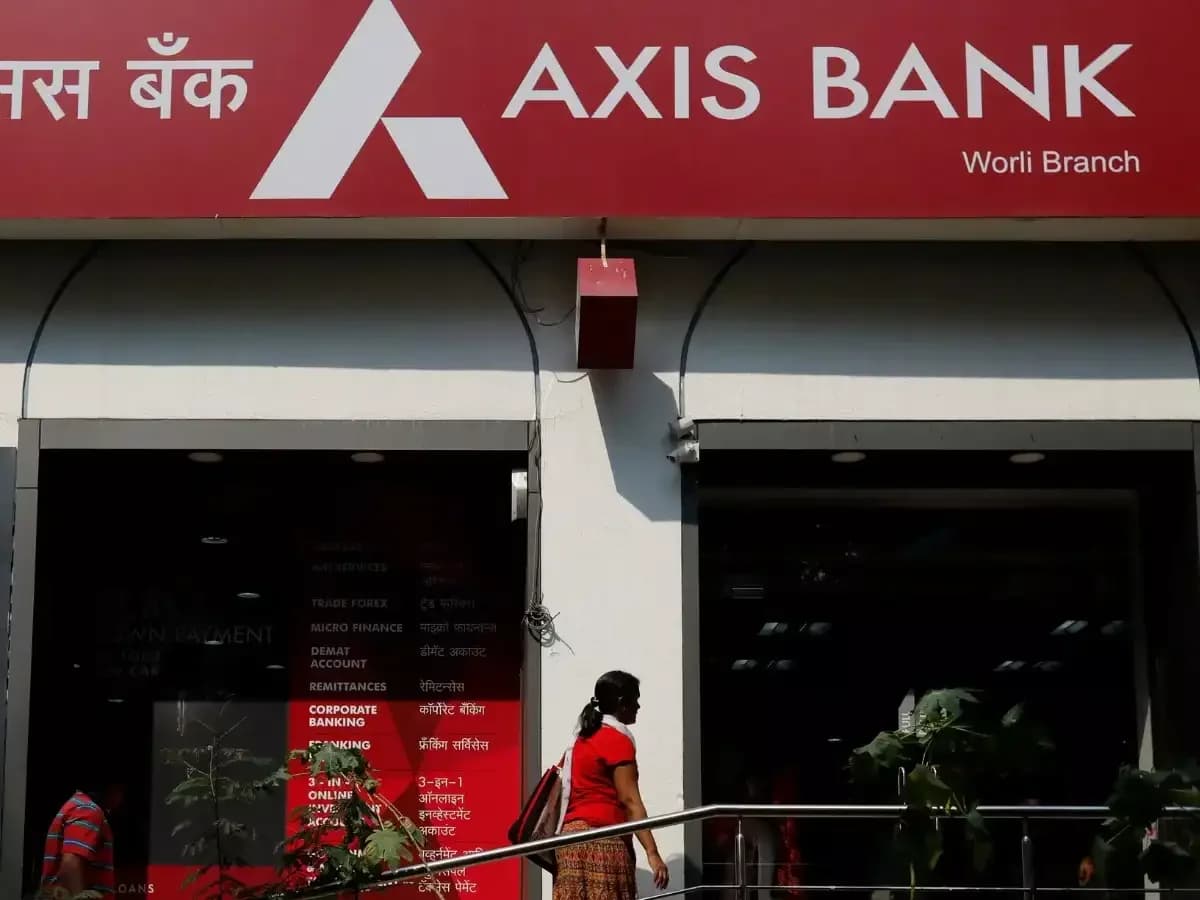
Axis Bank is planning to double its exposure to data centres over the next three years as India's artificial intelligence boom creates new lending opportunities. According to reports from The Economic Times, the country's third-largest private-sector lender by assets currently has exposure to about a dozen data centre clients, with the segment accounting for more than ₹8,688 crore worth of loans. Vijay Mulbagal, group head of wholesale banking coverage at Axis Bank, stated that data-related investments in India are growing strongly, with companies requiring borrowings alongside equity to meet their ambitions for larger computing capacities.
The government is facilitating growth in the data centre sector through favorable policies, as reported by The Economic Times. NaBFID has sanctioned more than ₹3,000 crore each to at least four data centres and expects the sector to remain a key source of demand for long-term project finance. The government is offering a 20-year tax holiday for foreign companies providing global data centre services from India, with the tax holiday extended until 2047 for foreign cloud service providers. KPMG estimates India could see an estimated $90 billion investment opportunity across the data centre value chain by fiscal 2035, including capacity and related infrastructure and services.
India's data centre capacity is set to surge to 5.65 GW by 2030 owing to demand by AI and cloud firms, with the sector experiencing a fundamental shift as conglomerates edge out standalone operators. Analysts suggest that conglomerates have significant advantages in this market, with Amit Chandra from HDFC Securities noting that these large business houses have muscle power and strong cash generation capabilities to invest large amounts over long periods. Vinish Bawa from PwC highlighted that conglomerates can combine land, power generation, transmission, fibre, construction, financing and data centre operations, potentially reducing development time and improving cost control. However, experts caution about the conversion rate of pre-leased capacity, with Kashyap Kompella from RPA2AI Research estimating 350-550MW of data centre capacity per year may come into operation, while David Cushman from HFS Research noted that AI demand is absorbing new supply before it opens, creating practical risks for enterprises.