

A consolidated view of market events, assembled from diverse sources.

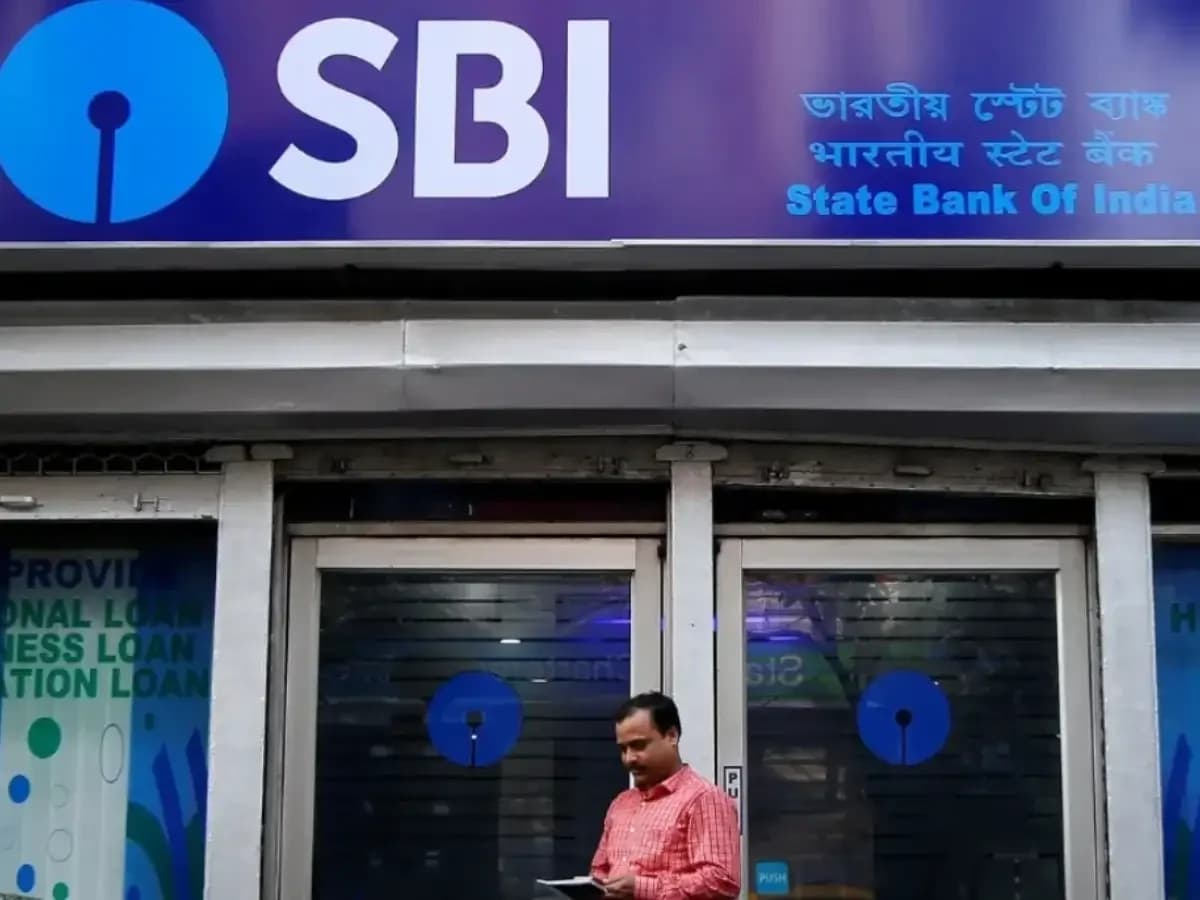
SBI Card will implement a 1% fee on eligible fuel and transportation transactions exceeding ₹50,000 and ₹30,000 respectively from December 1, 2026. The new charges apply to all SBI credit cards and will be levied on transactions under specific Merchant Category Codes, with fuel spending calculated cumulatively over billing cycles while transportation fees apply to individual transactions.
The Ghaziabad district consumer commission has ordered Axis Bank to pay ₹15,000 compensation to customer Rakesh Kumar Sharda for freezing his savings account due to a technical error that mistakenly linked another customer's credit card. The bank had frozen Sharda's account in January 2017 after receiving credit card dues from a third party, causing his ₹25,000 cheque to bounce and resulting in mental agony and financial inconvenience.

Utkarsh Small Finance Bank Ltd approved the securitisation of standard loan against property receivables worth ₹412.47 crore on November 28, following RBI guidelines to unlock liquidity. The bank's shares ended marginally down 0.18% at ₹10.83 on the BSE following the announcement.

The Reserve Bank of India has approved a three-month extension for Carol Furtado's interim CEO term at Ujjivan Small Finance Bank until February 28, 2027, following her appointment in September 2026. The extension comes after the bank reported strong Q2 FY26 results with net profit jumping nearly threefold to ₹365 crore and total deposits growing 29% year-on-year to ₹50,643 crore.


Gold loans have become the primary driver of retail credit growth, increasing their share to 12% from 9% last year, while the broader secured retail credit segment shows modest growth. Industry executives at the India Debt Capital Market Summit highlighted concerns about MSME lending vulnerability and asset-quality stress in gold loans due to sharp price corrections and regulatory changes.

A joint study by TransUnion CIBIL and NSIC reveals that approximately 3.9 crore Indian business borrowers have never accessed enterprise credit despite having strong credit profiles, with 63% maintaining CIBIL scores of 730+ and 54% having over two years of business credit experience. The research highlights this as a significant missed lending opportunity, as individual business borrowing has grown at 21% CAGR compared to 12% for micro businesses, with total micro business credit reaching ₹29.6 lakh crore as of June 2026.

State Bank of India is expanding its MSME Dream loan product from ₹5 crore to ₹50 crore per loan by March 2027, with current sanctions reaching ₹2.25 lakh crore. The digital-first product offers collateral-free loans with superior asset quality (under 0.50% NPA ratio) and 45-minute processing, positioning it as a key growth driver for India's 31% GDP-contributing MSME sector.

HDFC Bank is bringing critical digital platforms including MyCards, OnlyCards, and PayZapp in-house to strengthen cybersecurity after repeated third-party outsourcing risks exposed vulnerabilities in the financial sector. The move comes amid over 150 cyberfraud complaints and losses of more than ₹300 crore by NBFCs, with the bank targeting 60-70% of key applications under internal control.

State Bank of India has financed ₹1.24 lakh crore in renewable energy loans, supporting 60 GW of green capacity out of India's total 250 GW installed capacity. According to MD Ashwini Tewari, the biggest challenges facing India's energy transition are inadequate battery storage infrastructure and transmission capacity gaps that require 2-3 years to bridge.

India's wealth management sector is experiencing explosive growth with private-banking assets under management projected to reach ₹152 trillion by 2030, representing a 14.4% yearly growth trajectory. Domestic banks like ICICI, Kotak, Axis, and HDFC are best positioned to capture this expanding market, while global players like HSBC and Standard Chartered are also expanding their presence in one of the world's fastest-growing wealth markets.