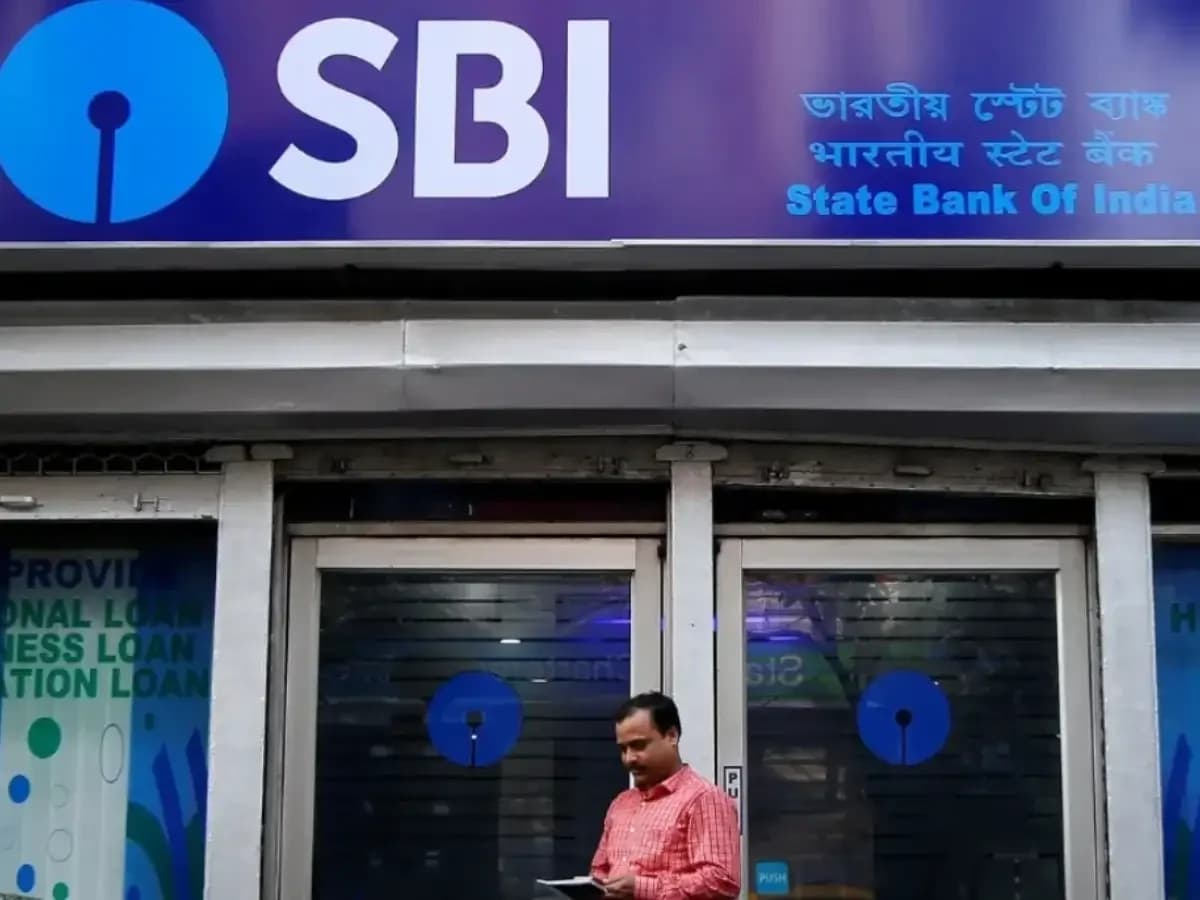
State Bank of India has emerged as a major financier of India's renewable energy sector, with its renewable energy loan book standing at ₹1.24 lakh crore. According to Rediff Money, Ashwini Tewari, managing director at SBI, announced at the IVCA Climate Capital Summit 2026 that the country's largest lender has financed 60 GW of green energy capacity out of the total 250 GW installed capacity. This substantial financing demonstrates SBI's commitment to supporting India's energy transition goals.
Battery energy storage has emerged as the single biggest challenge facing India's power sector, as reported by Rediff Money. Tewari highlighted that solar and wind energy, being intermittent sources, cannot provide baseload power without adequate storage facilities, which limits their contribution to actual electricity generation despite significant installed capacity. The lack of adequate storage has contributed to a mismatch between installed renewable energy capacity and actual power generation, with fossil fuels still contributing around 70-80 per cent of electricity generation despite renewable and fossil-fuel-based sources accounting for roughly equal shares of installed capacity. Tewari emphasized that "storage is the most important, single most important thing in power" and stressed the need to scale up battery energy storage in the country.
According to Rediff Money, funding is not a constraint for the transmission sector, as banks are comfortable financing such projects. However, Tewari explained that the gap between transmission infrastructure and renewable energy capacity expansion emerged because transmission infrastructure did not keep pace with solar installation growth. He indicated that bridging this gap will take two to three years and emphasized that the challenge lies in matching transmission requirements with the pace of renewable energy capacity addition rather than a shortage of financing. He noted that "transmission is not short of money" but the timing mismatch between infrastructure development and renewable energy growth requires coordinated planning.
As reported by Rediff Money, SBI is engaging with Power Grid and other entities to facilitate monetization of transmission assets through Infrastructure Investment Trusts (InvITs). Tewari noted that pension funds and other long-term institutional investors are looking for assets offering regular yields over longer durations, making transmission infrastructure a potential avenue for monetization. This initiative aims to unlock capital for infrastructure development while providing stable returns to institutional investors.
According to Rediff Money, Tewari emphasized that battery storage needs to be scaled up as other alternatives, including nuclear and pumped storage hydro, would take considerable time. He stated that nuclear power projects could take 15-20 years to develop, while pumped storage hydro projects could take four to five years. Until these alternatives become available, battery solutions remain the most viable option for supporting India's renewable energy expansion. He also highlighted the need to accelerate adoption of electric trucks, noting that the segment remains at an early stage compared with electric two-wheelers, three-wheelers, and passenger vehicles.