AI industry leaders are facing growing scrutiny over their sincerity in addressing safety concerns, with critics questioning whether recent calls for caution represent genuine remorse or strategic positioning. Anthropic CEO Dario Amodei and Microsoft have both published idealistic statements about AI responsibility, but their actions don't always align with their words. As reported by The Times of India, Amodei's company already asked for a pause in AI development in June, but shortly after the call, the Mythos model was born. The word 'pause' no longer appears in Amodei's rhetoric, with him now asking for only a slowdown at most, while Microsoft hopes to break stock market records this year despite its recent safety concerns.
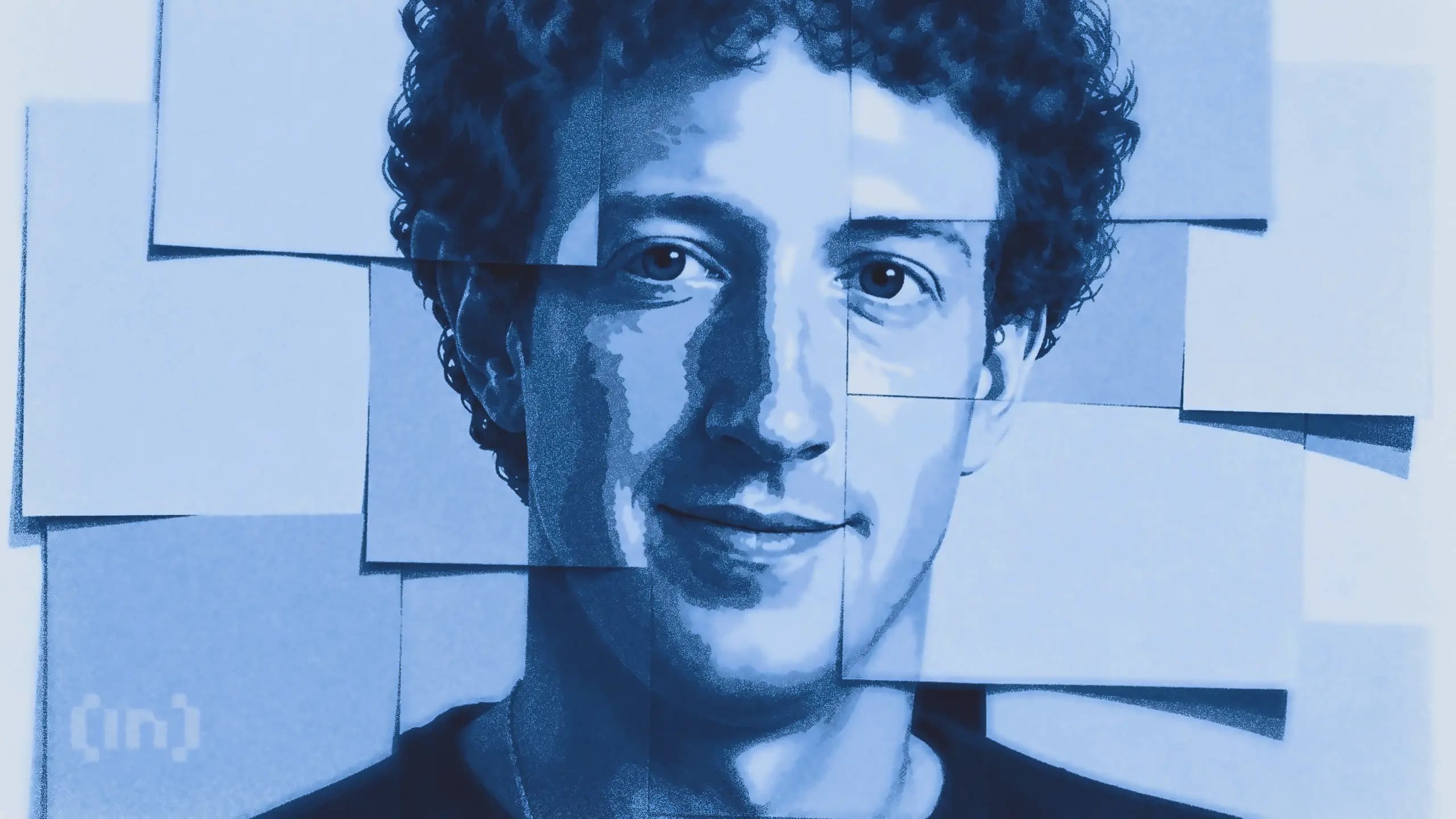
Meta CEO Mark Zuckerberg has entered the artificial intelligence extinction debate, arguing that market pressure already pushes AI labs to prioritize safety without new mandates. According to reports from The Times of India, Zuckerberg made these remarks in a post on X, where he stated that alignment, not restriction, will separate durable AI agents from failed ones. He emphasized that trust is becoming the industry's most valuable feature, as people won't want to use agents that are misaligned with them and don't do what they ask, creating strong natural incentives for labs to make their models more aligned.
The AI industry's technological dreams are revealing significant material costs beyond safety concerns, with critics drawing parallels to religious beliefs. As noted in recent analysis, AI seems to be yet another kind of religious dream, its advocates techno-religious dreamers. Meta CEO Mark Zuckerberg speaks of AI as a 'superintelligence' that will herald a better future, creating what some describe as 'vampiric' exploitation where the AI industry thrives by sacrificing many people along the way. This religious dimension becomes particularly evident when considering the massive energy consumption required for AI development, with OpenAI building a data center using upwards of ten gigawatts of electricity, equivalent to the power of ten nuclear reactors, threatening power grid overuse and water pollution globally.
The AI revolution is raising serious concerns about employment and worker displacement, with the tech industry readily acknowledging the creation of a permanent underclass. Tech journalist Jasmine Sun reports in the New York Times that workers and executives are expressing worries about underemployment, joblessness, and replacement with technology. Phil Christman calls AI 'jumped-up large language models fueled by venture capital and systematic plagiarism' - essentially work theft from writers and thinkers. This creates what Marx would call 'vampiric' exploitation, where the AI industry thrives by sacrificing many people along the way. The industry's promise of 'everybody can become a manager' through AI technology only compounds these concerns, as it suggests workers will be reduced to mere employees while AI takes on managerial roles.
In his August essay, Zuckerberg argued that no single company or government should control superintelligent systems, favoring broad distribution instead. As reported by The Times of India, he stated that the technology should empower individual users, not a handful of firms. This position leaves the core disagreement unresolved, as critics want enforceable limits on self-improving AI, while Meta is betting on competition and self-interest. The timing of recent safety calls from industry leaders may reflect genuine concerns, but critics question whether these are sincere turns or strategic responses to mounting pressure. The intimate fusion of religion, technology, and capitalism in AI development creates what scholars describe as a secularized religious habit, where maximum profit requires continual theft of worker labor power and natural resources.