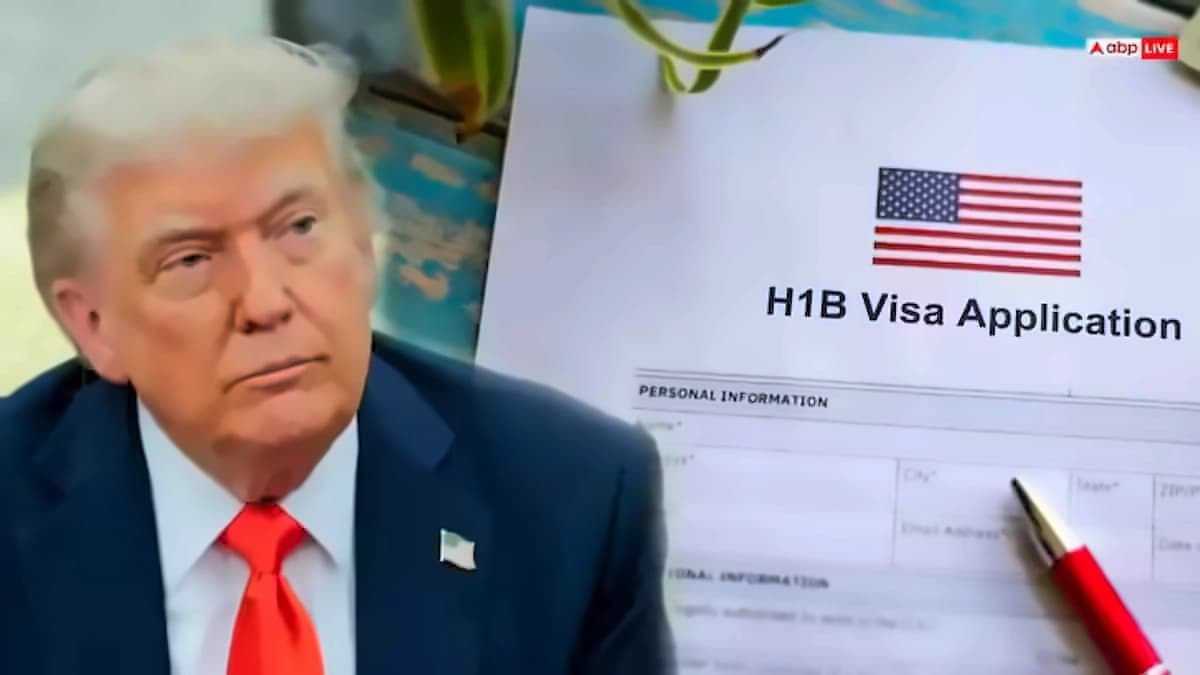
The US Department of Labor has released a draft proposal to raise the minimum wage, also known as the Prevailing Wage, for H-1B and related visa holders by an average of 30%. According to reports from The Times of India, the rule, titled 'Improving Wage Protections for the Temporary and Permanent Employment of Certain Foreign Nationals in the United States', is aimed at safeguarding jobs for American citizens and curbing the practice of hiring foreign workers at lower pay. The proposal was introduced on March 27 and is open for public comment until May 26. If implemented, it could significantly reshape hiring across America's tech industry.
Under the proposed changes, an entry-level hire who previously earned around $73,279 (approximately ₹69,19,406) per year would now need to be paid at least $97,746 (approximately ₹92,29,714). As reported by The Times of India, the wage increases across all skill levels are substantial: entry-level positions see a 33.39% hike, junior/mid-level roles increase by 24.47%, experienced professionals rise by 20.79%, and top-level experts see a 21.68% increase. The existing framework shows the average annual compensation for entry-level foreign staff at $73,279, which would be increased to $97,746.
American firms will face higher costs for onboarding visa-holding employees, with Indian IT services companies such as TCS, Infosys, and Wipro seeing their operational costs rise. According to The Times of India, these companies may pass on part of this financial burden to their clients, while firms are likely to shift their hiring preference toward American citizens over visa holders. The rule could particularly affect Indian IT giants that deploy large numbers of workers onsite in the US, putting pressure on their profit margins. The proposed changes would fundamentally alter the wage landscapes for H-1B, H-1B1, E-3, and PERM labour certification programs.
The proposal has drawn a divided response, with supporters viewing it as a necessary correction to a wage floor that has remained stagnant for nearly two decades. As reported by The Times of India, critics warn that smaller companies may no longer be able to afford hiring foreign workers for entry-level roles if higher wage thresholds take effect. This is not the first time such changes have been attempted - during his first term, the Trump administration tried in 2020 to revise prevailing wage rates without prior notice or public consultation, which faced legal challenges and was eventually rolled back. The proposal evoked mixed reaction from the public, with pro-MAGA activists hailing the shift as vital for labour protection, while critics said smaller firms would suffer most as the increased wages would burden them.