According to Kaspersky's latest Asia-Pacific survey, 60% of Indian respondents now use smartphones as their primary device for internet access, making them central to everyday digital activities. As mobile devices replace traditional computers for browsing, banking, shopping and communication, they are also becoming the preferred place to store information that was previously spread across laptops, paper files and physical wallets. The survey reveals that 61% store personal documents, 60% save photos and videos, 53% save contact details, 42% keep notes and reminders, and 27% store medical records on their smartphones. Adrian Hia, Managing Director for Asia Pacific at Kaspersky, noted that "Our relationship with smartphones has fundamentally changed. Instead of a communication device, they have become the place where we manage our finances, work, memories and increasingly turn to AI-powered assistants for everyday tasks."
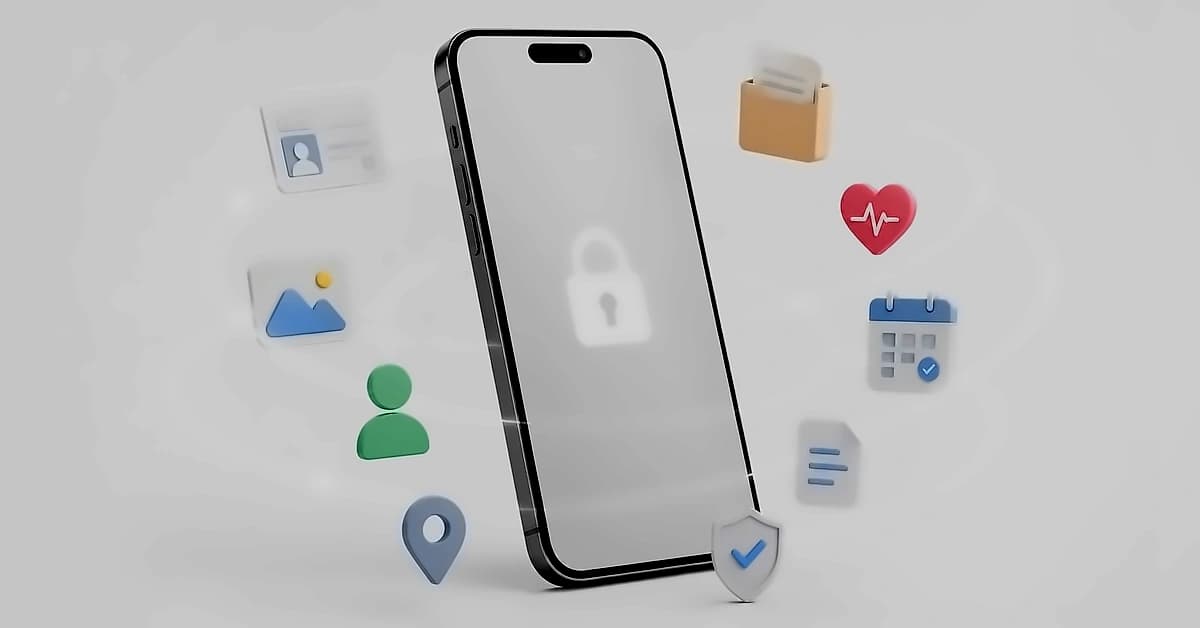
The survey highlights significant security vulnerabilities in how Indians manage sensitive financial information. About 38% of Indian users store banking details and 34% store passwords or login credentials directly on their phones, usually alongside everyday apps rather than in protected formats. As reported by Kaspersky, Android banking Trojan attacks increased sharply in 2025, with installation packages for new banking Trojans rising several-fold from the previous year. In India, Rewardsteal banking Trojans disguised as giveaway or cashback applications were among the most concentrated threats detected, exploiting users who rarely questioned why such applications requested banking permissions. The survey reveals that 48% of Indian respondents store work emails on their smartphones and 27% use devices to access work systems directly, both above the APAC average.
One of the survey's most significant findings is the growing importance of AI conversations, with nearly 37% of Indian respondents saving conversations with AI assistants on their smartphones. According to Kaspersky, AI conversations may contain brainstorming sessions, work drafts, software code, financial queries, health discussions or other personal prompts that users may revisit later. The company noted that more than 92,000 malware attacks worldwide between January and May 2026 were disguised as popular AI applications, with fake ChatGPT, Claude and Gemini installers among the most common lures. A misconfigured backend associated with the 'Chat and Ask AI' application exposed about 300 million private conversations belonging to 25 million users.
The findings reveal how smartphones are increasingly important workplace devices, with 48% of Indian respondents storing work emails on their smartphones and 27% using devices to access work systems directly, both above the APAC average. As reported by Kaspersky, a compromised smartphone could expose corporate emails, internal systems and client information alongside personal accounts. The company recommends that organisations should move beyond traditional PC-era security policies by adopting mobile-specific measures, including phishing-resistant authentication for work systems and regular audits of corporate data accessible through mobile applications.
According to Kaspersky's Purshottam Bhatia, the company blocked more than 47.5 million internet-borne cyberthreats in India in 2025, an average of more than 130,000 incidents a day. In response to changing smartphone usage patterns, Kaspersky recommends treating smartphones with the same level of security traditionally applied to computers. The company advises users to maintain secure backups so important information is not stored solely on the device, use dedicated security solutions to protect passwords and other sensitive data, and prepare for device loss by enabling location tracking, automatic backups and immediate screen locking. Anton Kivva, cybersecurity expert at Kaspersky, emphasized that "We often underestimate how much valuable information we keep on our mobile devices and how vulnerable that data truly is."