
Deepfake technology has reached unprecedented levels of sophistication, with over 3,000% increase in deepfake usage recorded over the past two years, according to LastPass CEO Karim Toubba. The latest data reveals that simple individual-led attacks now cost between $500-$1,000 using largely free tools, while more sophisticated attacks range from $5,000-$10,000. As reported by AOL, cybersecurity experts warn that attack vectors are accelerating faster than defense automation, creating a constant race between fraudsters and security teams. Matt Lovell from CloudGuard emphasizes that people are not moving fast enough to respond to the speed the threat is developing.
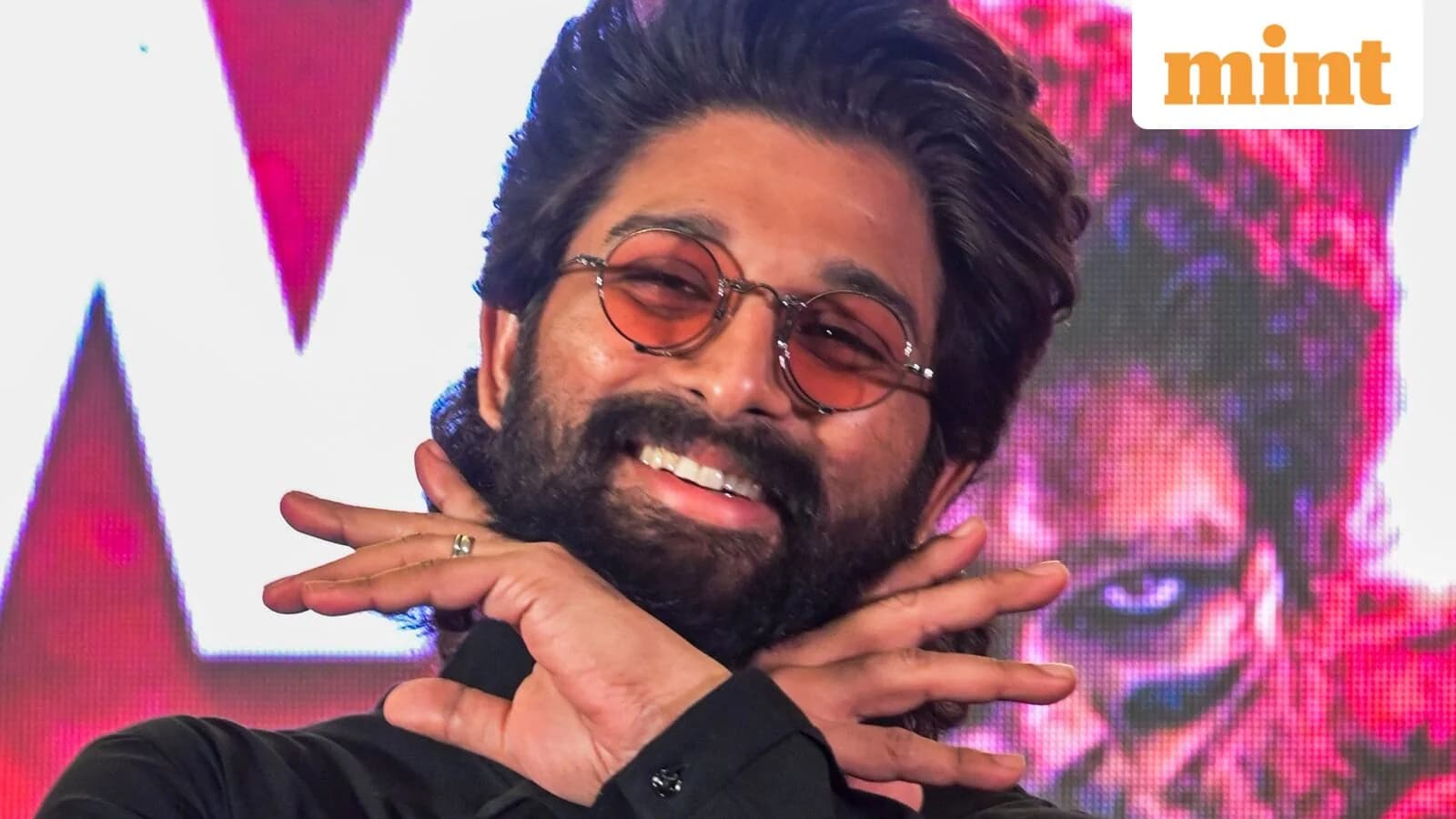
The surge in deepfake attacks compounds existing reputation risks for celebrities, with AI-generated deepfakes creating false scenarios that can quickly spiral into legal and commercial consequences. Actor Allu Arjun's recent legal action against a brand strategist over podcast remarks has spotlighted growing digital risks, as reported by Mint. The controversy began when a brand strategist claimed Arjun's team issued a list of 42 dos and don'ts for interviews, including not looking into his eyes or shaking hands. Industry experts highlight how podcasts and YouTube commentary increasingly frame celebrities as difficult or unethical, with Rajnish Rawat from Social Pill noting that the digital space has removed traditional filters.
Deepfake attacks are increasingly targeting financial markets, with Bombay Stock Exchange CEO Sundararaman Ramamurthy experiencing a deepfake video that promised investors handsome returns on fake stock recommendations. As reported by BBC Business Daily, Ramamurthy explains that "it was in the public domain where many people could see it, and get cheated into buying or selling stocks, as if I'd recommended them." The BSE regularly lodges complaints and warns people not to believe in fake videos, but acknowledges "it's really difficult to find out how many people have seen this video, so we can't really judge if it's had a big impact or not." Legal experts note that celebrity endorsement agreements contain morality clauses that permit suspension or termination if public image is adversely affected.
Companies are deploying sophisticated verification software to combat deepfake attacks, with tools now assessing facial expressions, head movements, and blood flow patterns to establish authenticity. As reported by AOL, these systems examine changes in blood flow when a person is talking or presenting to distinguish between AI-generated content and real individuals. However, the cybersecurity workforce faces a shortage of professionals worldwide, with companies struggling to keep pace with the accelerating threat. Hare from LastPass notes that "we have a shortage of cybersecurity professionals worldwide, we need more people to get into this."
Legal and management teams are adopting more aggressive approaches to address digital reputation risks, with Rajnish Rawat from Social Pill explaining that management teams now use digital listening tools to catch viral content early. Prakhar Srivastava from White Rivers Media noted that talent managers now routinely pre-approve talking points, insist on recording-consent clauses, and demand prior review of podcast edits before content goes live. These proactive measures aim to counter narratives and issue legal notices before stories become mainstream news, as companies increasingly collaborate with chief information security officers to address the evolving threat landscape.