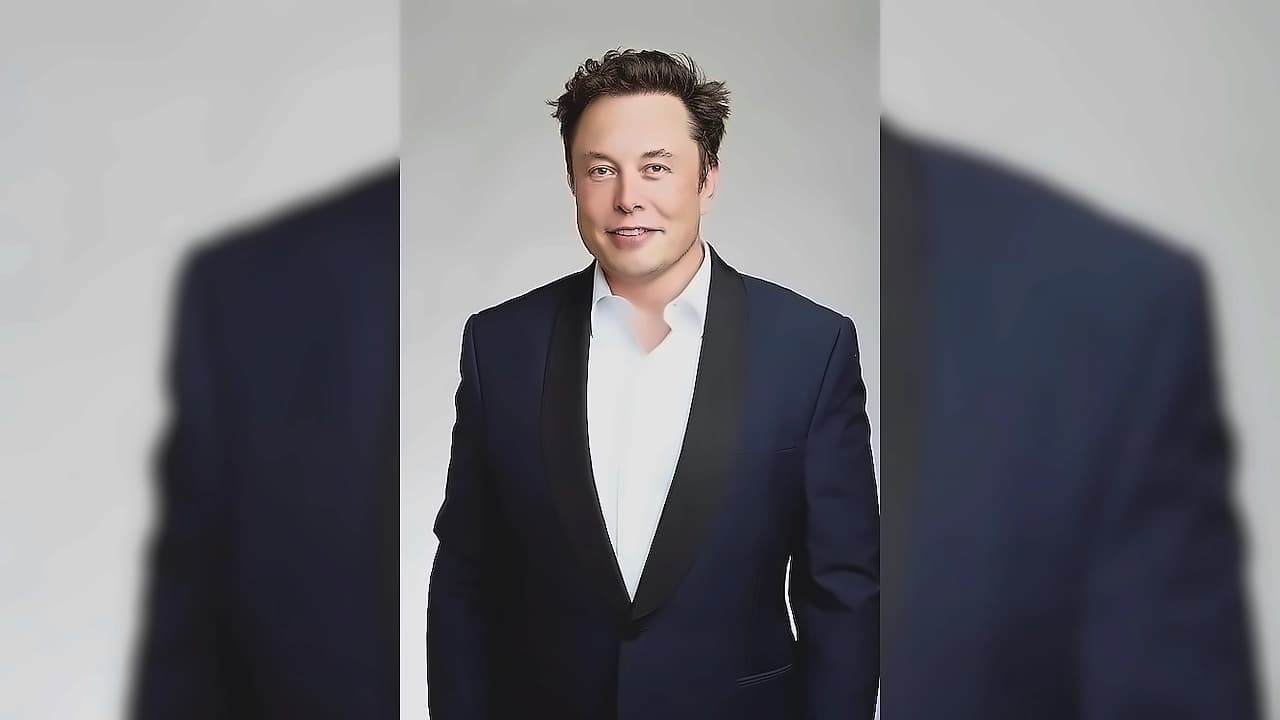
Elon Musk announced on Sunday that Grok 4.5 has entered private beta testing at SpaceX and Tesla, marking a significant milestone in the development of the AI model. According to reports from NDTV Profit, Musk posted on his X account that the model is based on xAI's 1.5 trillion parameter V9 foundation model with Cursor data added in supplemental training. The private beta launched on June 28, 2026, with early evaluations showing performance close to, and potentially exceeding, Anthropic's Claude Opus. The decision to test the model inside two of the world's most engineering-intensive companies demonstrates xAI's confidence in its capabilities.
The V9 foundation model finished training at 1.5 trillion parameters, representing a 50% jump from Grok 4.4, which shipped with 1 trillion parameters in late May 2026. As reported by NDTV Profit, Musk first disclosed the V9 model in late May, with training incorporating substantial volume of data from Cursor, the AI coding assistant SpaceX agreed to acquire for $60 billion earlier this year. The model's rollout has been staggered, with training completion confirmed in late May and subsequent updates pointing to a mid-June public release window for the underlying V9-Medium model. The Grok 4.5 model incorporates supplemental training data from Cursor, exposing the model to vast amounts of real coding workflows, debugging patterns, and software architecture decisions.
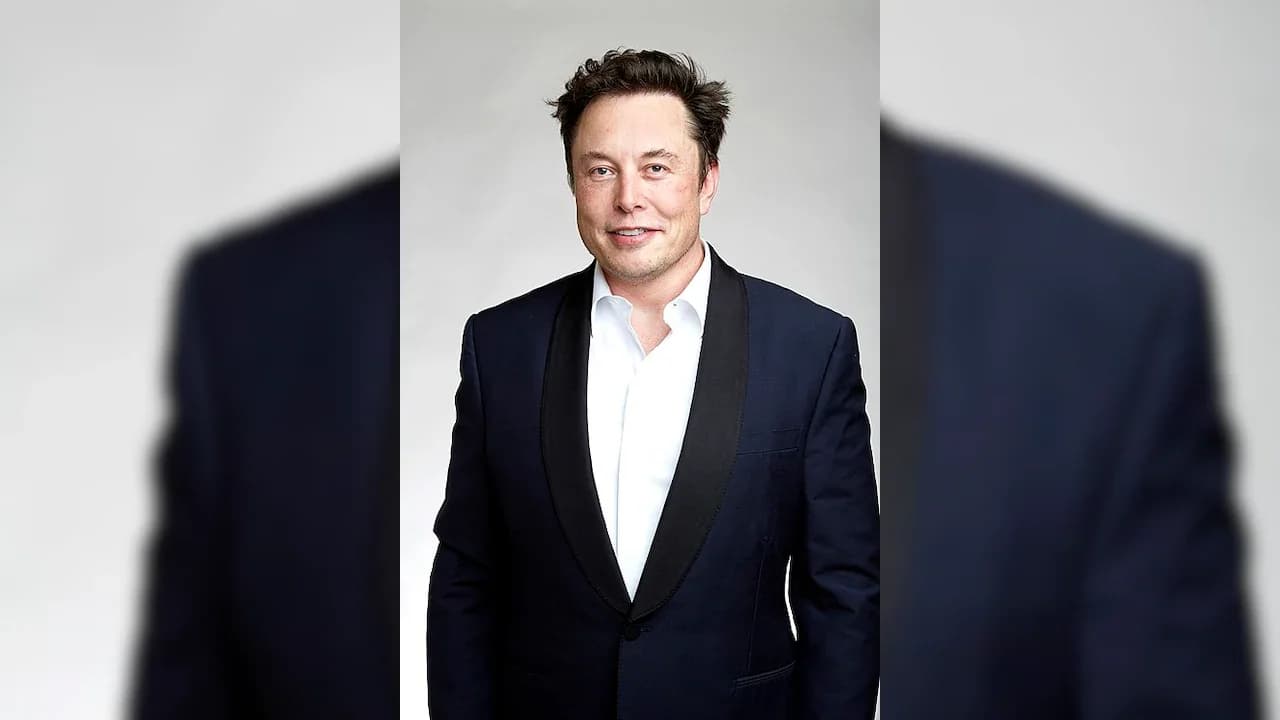
According to Musk's post on X, reinforcement learning continues to meaningfully improve the model, with the 'Grok Build' coding harness described as 'getting better every day.' As reported by NDTV Profit, Musk thanked the development teams involved in the project, writing 'Nice work by all those involved!' No independent benchmark results for Grok 4.5 have been published so far, with the model's performance claims based on internal evaluations. The model also benefits from ongoing updates to what xAI calls the Grok Build harness.
The private beta deployment at SpaceX and Tesla provides xAI with unique advantages over competitors. As reported by NDTV Profit, both companies operate at the intersection of hardware engineering, software systems, and real-time decision-making. The private beta gives xAI access to proprietary operational data from world-class engineering organizations, testing on actual rocket trajectories and vehicle manufacturing workflows rather than public benchmarks and synthetic tasks. This strategic positioning allows xAI to validate the model's performance in real-world engineering environments before wider public release.
In the same announcement, Musk revealed that xAI plans to release 'completely-trained-from-scratch' new models through SpaceX every month for the rest of the year. According to NDTV Profit, this represents a significant acceleration in the company's AI development timeline, with the company anticipating releasing new models trained from scratch at SpaceX every month through year-end. The aggressive roadmap demonstrates the kind of scaling velocity that forces competitors to respond, with the company appearing firmly focused on AI advancement rather than tokenization.