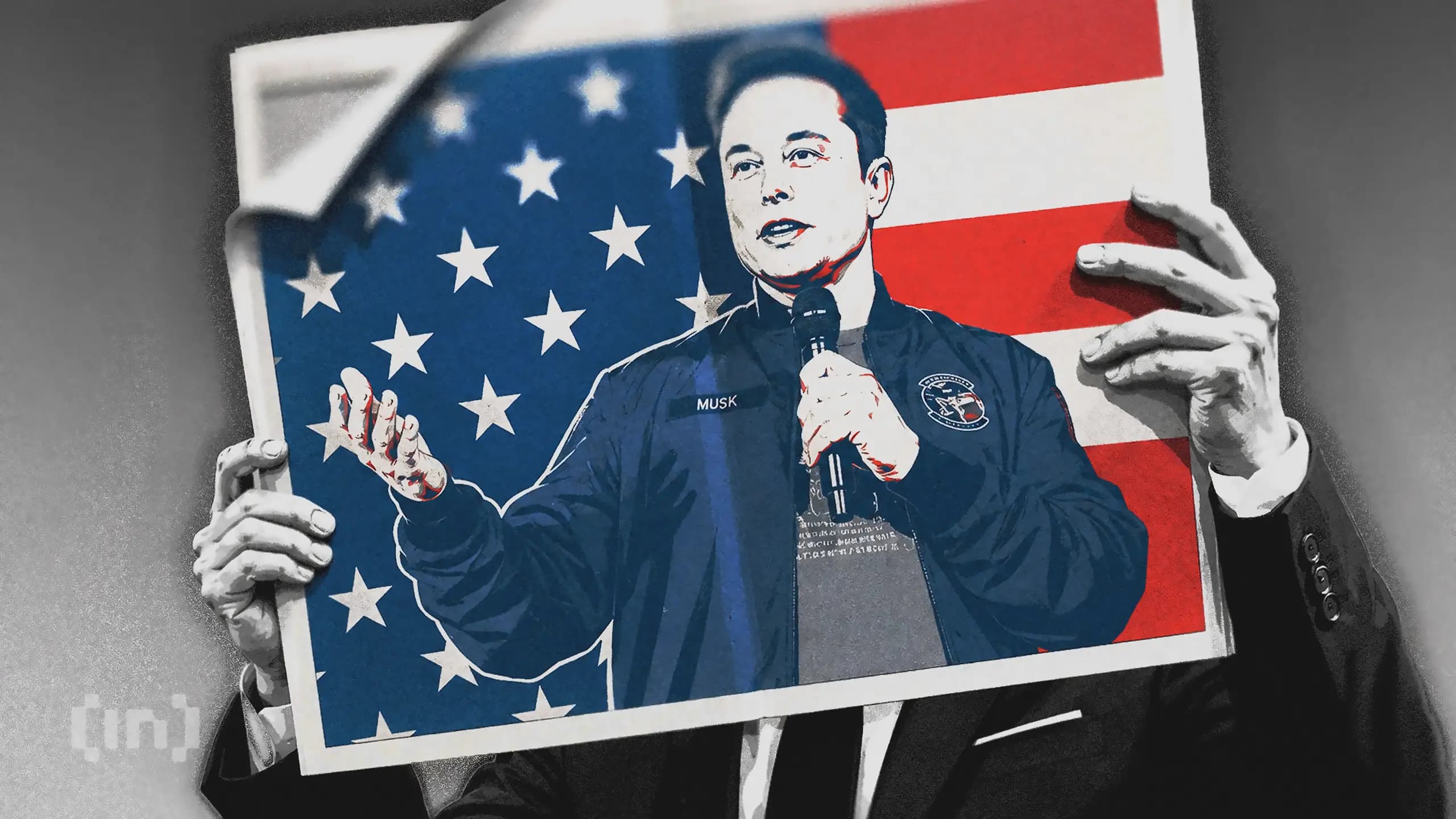
Elon Musk has positioned artificial intelligence as a 'supersonic tsunami' in his latest prediction, supported by a chart showing AI growth breaking out since spring 2026. According to reports from TechCrunch, the chart plots monthly progress from July 2023 through July 2026, with the curve staying flat for years before snapping upward once 2026 begins. The timing aligns with recent benchmark results, as Grok 4.5, built by Musk's xAI, recently topped an independent agent benchmark from Artificial Analysis, beating rival systems on both cost and speed. The chart's visual centerpiece shows November 2024 as a low point for AI hype, tied to underwhelming gains from OpenAI's Orion model over GPT-4, which revived fears that AI scaling had hit a ceiling.
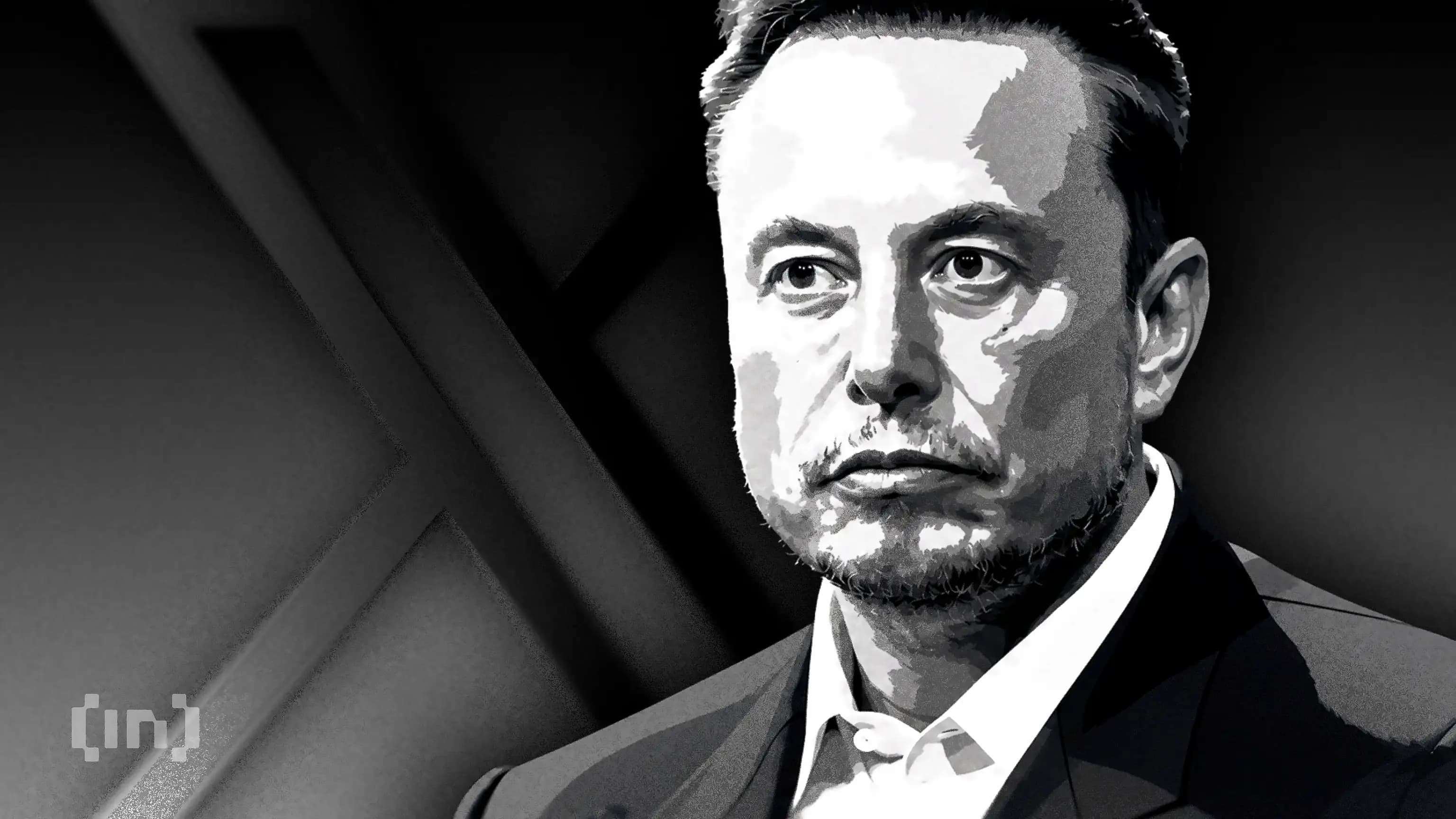
Musk has indicated that SpaceX engineering data will feed Grok's next training run, with the data excluding material restricted under U.S. arms-export rules. As reported by TechCrunch, this move is designed to sharpen Grok's reasoning on real-world physical problems, an area where text-only data tends to fall short. The technical advancements have prompted Musk to revisit his own rankings, with him recently reversing his public stance on Anthropic, calling the rival 'the current industry leader' after months of public criticism. This shift matters because when a competitor as vocal as Musk publicly upgrades a rival's standing, it signals that the gap between top AI labs may be narrowing faster than public rhetoric usually admits.
The prediction reflects Musk's accelerated timeline for artificial general intelligence (AGI), which he previously said could surpass one person's intelligence before 2026 ends. According to TechCrunch, he has separately projected that AI will exceed all of humanity's combined intelligence within five years. However, this timeline faces significant disagreement from experts, with Geoffrey Hinton, often called the Godfather of AI, saying broad AGI could still be up to two decades away. The split has reached crypto circles too, with coverage describing rising infrastructure demand even as autonomy timelines remain contested. Hinton's skepticism carries real weight in AI research circles, making the gap between his estimate and Musk's forecast one of the more striking splits in the field right now.
Musk frames the AI development as both a historic economic opportunity and an existential risk, warning that AI could slip beyond human control even as it promises what he calls an age of extreme material abundance. As reported by TechCrunch, the supersonic tsunami post echoes remarks Musk made at Davos in January, where he said AGI could surpass human reasoning across most tasks. Ben Goertzel, chief executive of the Artificial Superintelligence Alliance, has separately warned that advanced systems already rival state-level capabilities, lending some support to Musk's accelerated timeline despite expert skepticism. Whether the curve on Musk's chart keeps climbing through the rest of 2026 is something no one can verify yet, but his expectation that the wave will keep building rather than pull back represents a bet that will either look prescient or premature depending on how the next few benchmark cycles play out.