Meta Platforms shares rose nearly 7.5% to $677.9 in Friday's trading session following reports that the company will begin manufacturing its custom AI chip, code-named 'Iris', with partners Broadcom and Taiwan Semiconductor Manufacturing Co. (TSMC) later this year. According to Live Mint, the stock surge extended Meta's winning streak to a second straight session after the Reuters report revealed the company's accelerated AI chip manufacturing timeline. With today's rally, shares have surged 20% in July alone, marking a sharp rebound from an 11% decline in June and representing a nearly 30% recovery from recent lows.
Meta Platforms will begin manufacturing its specialized AI chip 'Iris' with partners Broadcom and TSMC later this year, as reported by Reuters citing an internal company memo. The tech giant plans to create its own custom-built AI chip designed in-house to enhance its AI capabilities and run its Facebook and Instagram social media platforms. As reported by Reuters, the company took six weeks to test the chip and did not notice any prominent issues during the testing phase, with the chip clearing its bug-testing phase without turning up any significant problems. This relatively quick progress signals positive momentum for an in-house effort that has floundered since its launch more than half a decade ago.
Meta has partnered with Broadcom, the US-based semiconductor maker, to design the AI chip, along with enlisting Taiwan Semiconductor Manufacturing Co. to manufacture it. According to the company memo, Meta plans to use 'Iris' to amplify the capabilities of its vast lineup of Graphics Processing Units (GPUs) that are utilized for AI applications purchased from Nvidia and AMD. The company described implementing the latest GPUs as 'a heavy lift that has cost us time' in its memo due to their notable size. By building its own silicon, Meta is seeking to cut spending on compute and loosen its reliance on third-party chip vendors including Nvidia and Advanced Micro Devices, with the primary goal of reducing considerable computing costs and dependence on these suppliers.
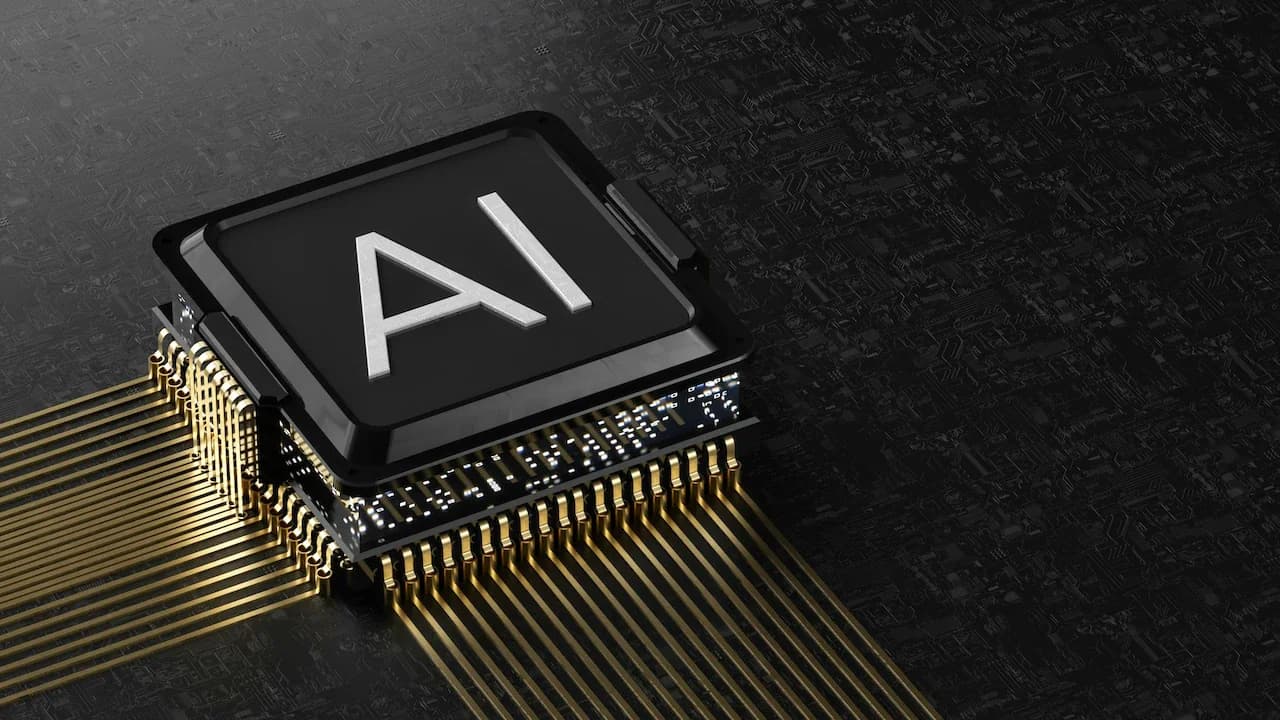
'Iris' is part of Meta's four-generation project for Meta Training and Inference Accelerators (MTIA), as reported by Reuters. The company first announced 'Iris' along with three more AI processors in March, with the chip falling under the umbrella of Meta's MTIA program. Meta has set an ambitious goal to launch an AI chip every six months across 2027, significantly outpacing its peers who release AI chips once a year. The Iris chip is intended to supplement — not replace — the large volumes of GPUs Meta buys from Nvidia and AMD. The demand for components such as memory and AI chips has surged as technology companies race to expand their data centre infrastructure to meet the growing computing requirements of artificial intelligence.
The chip production announcement is tied to a broader infrastructure push, with the memo outlining a two-step expansion plan: seven gigawatts of computing capacity coming online in 2026, growing to 14 gigawatts by 2027. Meta's projected AI infrastructure spending for the year reaches as high as $145 billion, a significant portion of Big Tech's more than $700 billion projected outlay on the technology. Underpinning the expansion, the memo revealed that Meta has locked in extended supply contracts across several hardware categories: memory chips from Samsung Electronics, flash storage from Sandisk, and fiber-optic equipment from Sumitomo Electric. Such long-term agreements have become critical for data center expansion targets amid a memory chip shortage that has prompted companies such as Apple to raise prices.