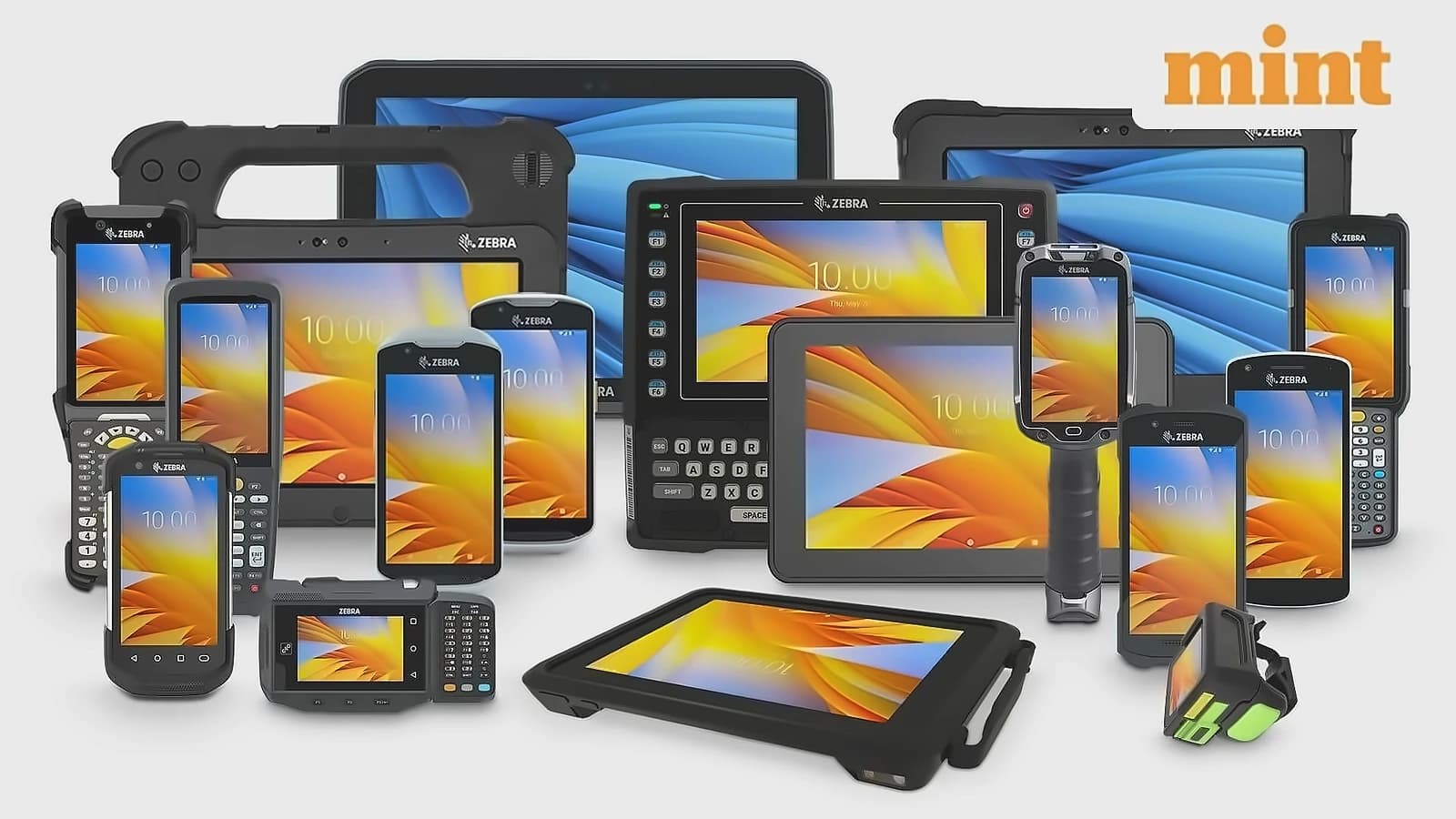
The home ministry and department of telecommunications have asked device and equipment manufacturers to keep handset prices realistic for India's public protection and disaster relief (PPDR) networks. According to reports from Mint, government officials stated that handsets costing ₹100,000 would not be viable for the project. At a meeting with manufacturers including Ericsson, Tejas Networks Ltd, Motorola Solutions Inc., Sepura Ltd and Zebra Technologies Corp. on Wednesday, officials emphasized the need for affordable yet reliable equipment for first responders such as police, fire brigades and medical personnel.
The government is currently evaluating three deployment models for PPDR networks: a single telecom operator with dedicated spectrum, a single operator without spectrum, or a roaming agreement model with multiple operators similar to France's system. As reported by Mint, in France, PPDR services primarily use commercial telecom networks with priority access for emergency users, while dedicated government spectrum is reserved for tactical and emergency communications. A government official indicated that the plan is to currently have 500,000 handsets with broadband PPDR capabilities, with plans to increase capacity to 1 million and later have 3-5 million handsets.
During proof-of-concept trials conducted by the DoT and DCPW with telecom operators including Bharti Airtel Ltd, Vodafone Idea Ltd, Reliance Jio Infocomm Ltd, and BSNL Ltd, first responders flagged several shortcomings. According to Mint reports, these included delays in data transmission, poor network coverage, problems with geo-fencing and network switching, and failures during priority and pre-emption tests. Agencies also reported issues with devices and applications, including poor audio quality, frozen video, limited video duration and inadequate user interfaces. Handsets experienced serious overheating and battery drain, with some devices losing up to 60% of their battery in an hour.
The government faces challenges in securing dedicated spectrum for PPDR networks, with existing 700MHz band allocations already given to different government departments. As reported by Mint, telcos have provided feedback that relying solely on a standalone 10MHz block might face constraints during severe emergencies, particularly for heavy group video calling. To ensure disaster resilience, the government is considering international experiences and specialized infrastructure including collapsible towers, satellite-backed systems, and tethered drones equipped with base stations. The plan is to conduct pilot projects over the coming months with a target of commercially deploying the network in 2027.
India's electronics manufacturing story is entering a new phase beyond smartphones, with the government's Semicon 2.0 initiative approved in July with a ₹1.27-lakh crore outlay broadening the semiconductor push towards equipment, materials, design, IP, and supply-chain capabilities. According to Business Today, electronics production has grown nearly seven-fold over the past decade, while exports have expanded more than 11-fold, with mobile phones leading the charge as more than 99% of domestic demand is now met through local manufacturing. The government's Electronics Components Manufacturing Scheme (ECMS) with ₹40,000 crore outlay in the FY27 Budget is aimed at deepening the supply chain, with industry response exceeding initial targets. Industry leaders envision an $800-billion to $1-trillion electronics industry by 2035, with exports exceeding $200 billion and domestic value addition crossing 30%.