Global hedge funds are experiencing another stellar year, with first-half returns of 7% significantly exceeding the 10-year average of 4.1%, according to a Goldman Sachs report. This marks the sixth consecutive half-year period in which hedge fund returns have surpassed their long-term average, with returns exceeded only during the COVID years of 2020 and 2021. The AI boom has been particularly beneficial, with hedge funds successfully pivoting through the AI complex by moving from semiconductors to power and data centers, and decisively towards memory stocks in the last 12 months. Equity long/short funds delivered healthy returns of 12.9% on average during the first half, benefiting from unusually strong stock-picking opportunities as large differences emerged between individual stock performances. Technology, media and telecom-focused funds, as well as consumer funds, nearly doubled their returns from the year-ago period, with stock-trading hedge funds finishing June with double-digit returns for the year.
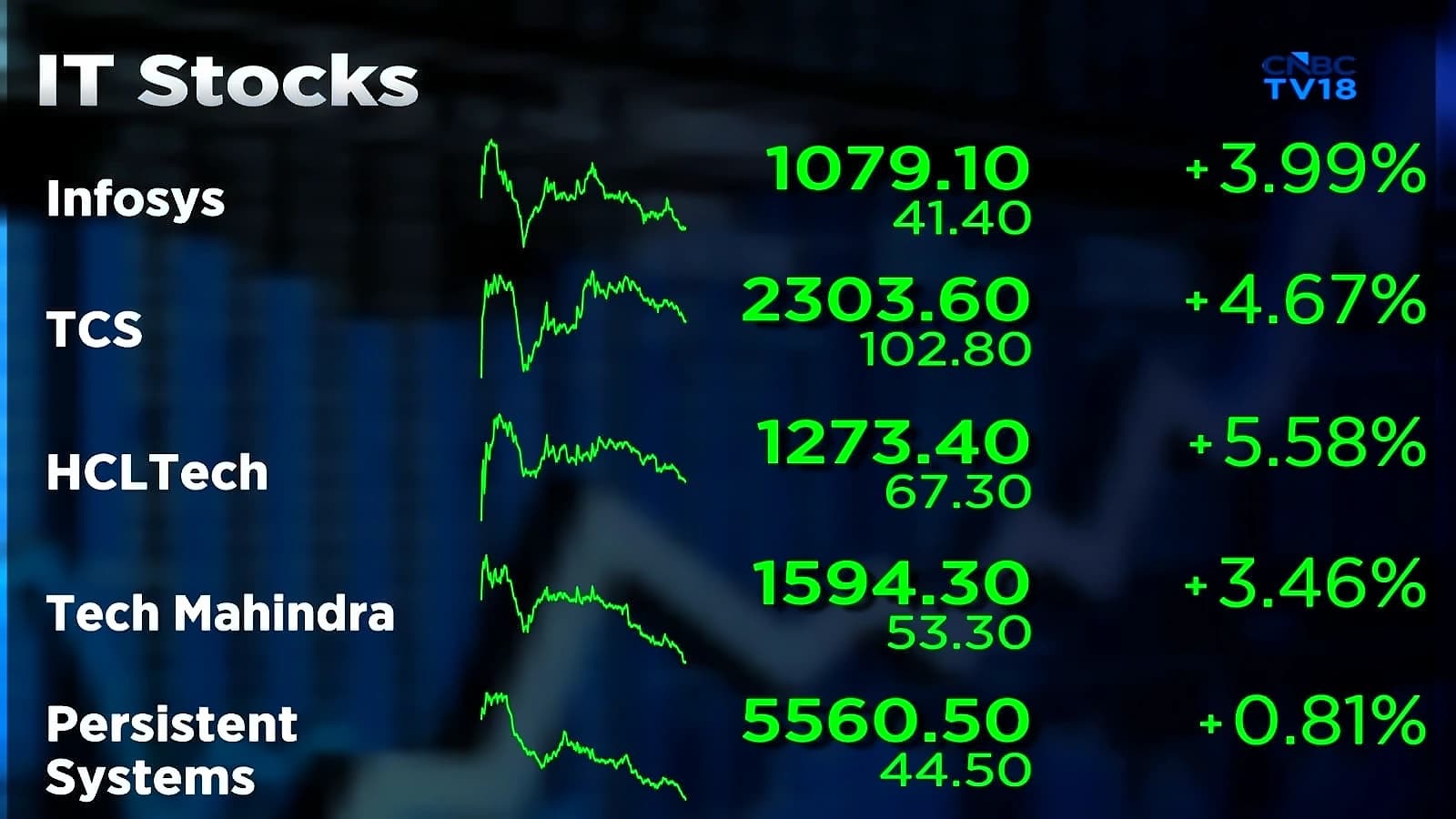
Indian IT stocks have experienced a dramatic transformation in valuation multiples over the past five to six years. Before the pandemic, TCS commanded a price-to-earnings ratio of around 25 times, while Infosys traded between 18 and 22 times, and HCL Technologies, Wipro, and Tech Mahindra were valued between 14 and 18 times. Mid-cap companies such as Persistent Systems, Coforge, and Mphasis typically traded in the 18 to 25 times earnings range. The sector moved from this stable pre-Covid phase to unprecedented re-rating during the pandemic, driven by accelerated digital transformation demand. Revenue growth accelerated into double digits, deal wins increased, and companies expanded hiring aggressively, creating an unprecedented opportunity for Indian IT services companies.
The pandemic triggered a dramatic shift in investor sentiment as enterprises accelerated digital transformation initiatives. As reported by Dalal Street Investment Journal, TCS traded at around 38 times earnings by FY22, Infosys at 36 times, and Tech Mahindra reached 34 times. The re-rating was even more pronounced among mid-cap companies, with Persistent Systems expanding from about 20 times earnings before Covid to as high as 55-70 times, while Coforge moved from roughly 20-25 times to 45-55 times. The market believed that higher technology spending would become a long-term structural trend, justifying premium valuations across the sector. However, the exceptional premiums seen during the pandemic had largely faded by FY23 as the environment began changing.
The environment began changing from FY23 as rising global interest rates and slowing economic growth prompted companies to reduce discretionary technology spending. According to Dalal Street Investment Journal, large-cap IT companies settled closer to historical averages, with TCS trading between 26 and 30 times earnings, Infosys around 24-28 times, HCL Technologies at 20-24 times, and Wipro at 18-22 times. Mid-cap stocks also witnessed valuation compression, with Persistent Systems correcting to roughly 42-50 times earnings, Coforge to 30-36 times, and Mphasis to around 24-28 times. Among small caps, Tata Elxsi declined to 40-50 times earnings, while KPIT Technologies, Birlasoft, and Zensar also saw meaningful reductions in valuation multiples. The Nifty IT index has underperformed the broader market in 2026, declining around 17-18% year-to-date compared with a 7-8% decline in the Nifty 50.
Just as valuations were stabilizing, artificial intelligence emerged as the next major variable affecting the sector. The rapid adoption of generative AI and AI-assisted coding tools has raised concerns about traditional labour-intensive business models followed by Indian IT services companies. Activities such as application maintenance, testing, documentation, and support are increasingly being automated, creating uncertainty around future demand. Large companies like TCS, Infosys, and HCL Technologies are positioning themselves as enterprise AI implementation partners, leveraging their expertise in system integration and large-scale digital transformation. Mid-cap firms like Coforge and Persistent Systems have increased focus on AI, cloud, and engineering services to maintain growth and valuation premiums. For smaller IT companies, however, the transition is more challenging due to limited scale, narrower service offerings, and lower investment capacity, making their valuations relatively more vulnerable. The AI threat has become so significant that US Federal Reserve Chair Kevin Warsh recently announced a new task force to survey the economic impact of AI on the financial system, though notably absent from his statement was any mention of the impact of AI on financial stability.

Looking ahead, the sector's valuations will largely depend on two key factors: the pace of recovery in global enterprise technology spending and the ability of Indian IT companies to demonstrate that AI represents a long-term growth opportunity rather than a structural threat. According to Dalal Street Investment Journal, large-cap IT companies now trade closer to their long-term historical valuation averages, though still above pre-Covid levels in several cases. Mid-cap companies continue to command a valuation premium due to relatively stronger growth prospects, while small-cap IT valuations remain more selective, with companies possessing niche capabilities or differentiated offerings attracting higher multiples than their peers. The gap between large-cap and mid-cap performance reflects sector-specific challenges, including slower global technology spending and uncertainty over how AI will reshape the traditional IT services business model. Meanwhile, hedge funds continue to outperform traditional portfolios, with hedge funds having outperformed a traditional "60/40" portfolio by roughly 250 basis points over the past five years, reflecting what Goldman Sachs described as a more favorable environment for generating alpha.