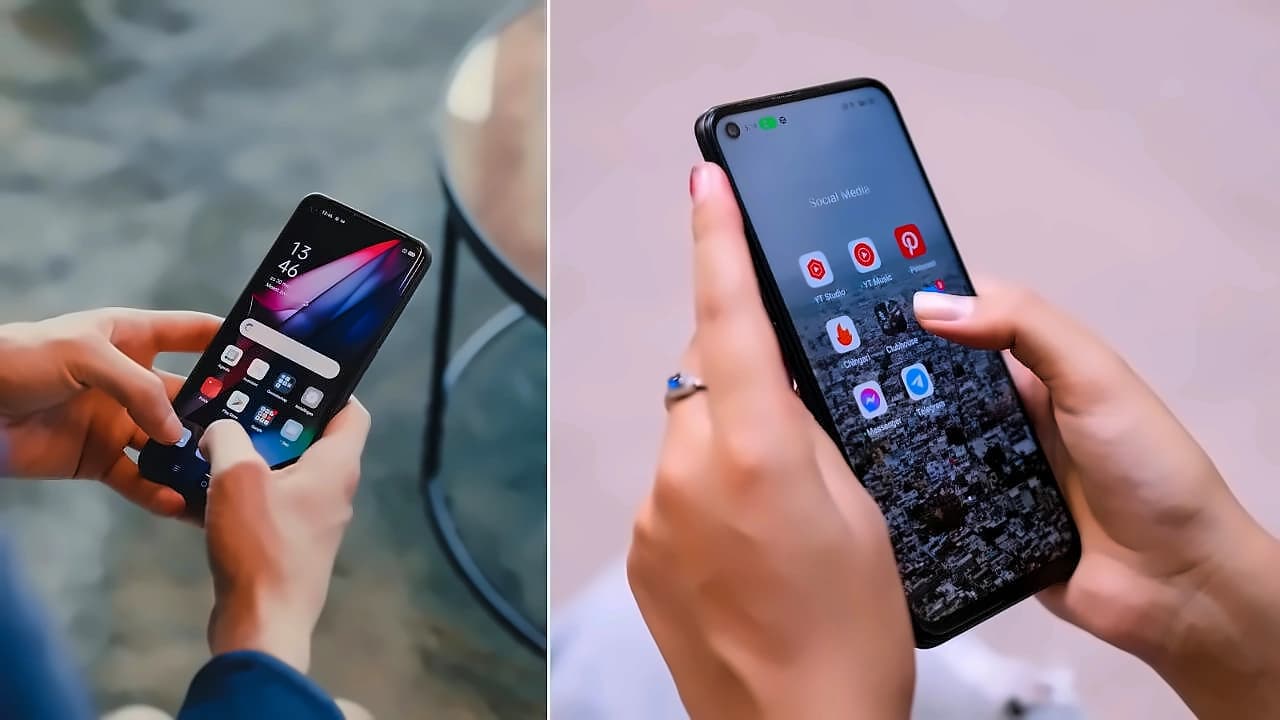
India's smartphone market experienced a 40% quarter-on-quarter surge in 4G shipments during Q2 2026, with 4G's share rising to 11.1% from 5.8% in Q1, according to IDC data. This dramatic shift represents a significant trade-down from 5G devices as consumers find 5G smartphones increasingly unaffordable, especially in smaller cities and towns. As per Counterpoint Research, 4G shipments jumped 40% sequentially, driving their market share to 12% of smartphones sold in Q2, up from 7% in Q4 2025. The resurgence is being led by Chinese brands such as Vivo, Oppo, Itel and Infinix, alongside Motorola and Samsung, with several brands reintroducing or extending 4G models to defend their budget segment footing. However, IDC notes this as a supply-led stopgap rather than a reversal of India's migration towards 5G, as once existing 4G inventory runs out, consumers at the bottom end could have little choice but to move to more expensive 5G devices.
India's smartphone market declined 11.1% year-on-year to 33.2 million units in the April-June quarter of 2026, according to data from International Data Corporation (IDC). The decline follows a 4.1% year-on-year fall in the first quarter, extending the slowdown into the second quarter. Combined, the January-June period recorded total shipments of 64.2 million units, down 7.9% from the same period a year earlier. IDC noted this was the lowest first-half shipment volume for India's smartphone market in five years, even as the overall market value increased 3.6% year-on-year. Higher component costs continued to reshape the market in Q2 2026, leaving manufacturers and distribution channels with significantly less room to cut prices without eroding margins. The pressure was most acute in the entry-level segment, where sustaining profitability in devices priced under $100 became increasingly difficult, leading to a sharp 74.3% year-on-year fall in shipments and market share contracting from 15.6% to just 4.5%. IDC expects smartphone shipments to decline more than 15% in the second half of 2026, taking full-year volumes to roughly 128-130 million units.
Apple and Samsung have been able to maintain their positions as brands with premium portfolios and scale, while several other manufacturers have seen shipments decline. According to IDC, Vivo remained the largest smartphone brand in India by shipments in Q2 2026, with an 18.4% share, while Samsung ranked second with a 16.4% share, up 0.4 percentage points from the same quarter last year. Apple, despite changing ranking from fourth to sixth, increased its share of shipments to 8.5% in Q2 2026, from 7.5% in the same quarter last year. Apple's iPhone 17 was the highest-shipped smartphone model in India during the first half of 2026. IDC attributed Samsung's performance to its scale and diversified portfolio, which allowed the company to absorb higher costs while maintaining shipment volumes and margins. The contrasting performance shows that the market slowdown is not being distributed evenly, with companies with stronger positions in premium and ultra-premium segments better placed to deal with higher component costs. However, the downturn has hit Chinese smartphone brands particularly hard, with market leader Vivo's shipments falling 13.9%, Xiaomi declining 10%, Oppo 8.5%, Realme 14.2%, Poco 12.3%, and iQoo shipments plunging 61%.
Average selling prices (ASP) of smartphones in India rose 14.4% year-on-year in the second quarter to a record $315, according to IDC. As per Aditya Rampal, senior research analyst at IDC Asia Pacific, "Q2 2026 saw average selling prices climb 14.4% year over year to a record $315, with memory driven cost pressure showing up across the product lineup." The price gap between 5G and 4G devices has become significant, with 5G smartphone ASP reaching $341 in Q2 against $109 for 4G devices. Even 4G ASPs rose 47.9% year-on-year, while 5G ASPs increased 15.2%. The $400–600 band grew 60.3% year-on-year and nearly doubled its share from 4.8% to 8.6%, while the mass-budget segment ($100–200) held relatively steady with flat shipments at 46.8% share. The $200–400 segment declined 8.1% year-on-year, while the $600+ segment remained flat and the $800+ segment slipped 5.0%, with both higher tiers gaining share as demand consolidated away from the lower end of the market.
Online shipments fell 19.8% year-on-year, with their share declining from 46.4% to 41.9% as e-commerce-led discounts and promotional offers became significantly less aggressive than a year earlier. The impact was most visible in the shrinking presence of entry-level models online and the absence of upfront discounts on flagship devices. In contrast, the offline channel proved more resilient, with shipments declining just 3.6% year-on-year. Brands increasingly leaned on physical retail networks to manage pricing pressure and sustain volumes in a market where affordability constraints have reshaped buying behaviour. This year, higher component costs have left manufacturers and channels with less room to reduce prices without affecting margins, pushing price increases as brands attempt to protect profitability rather than offering early festive discounts. The pressure could intensify in the second half as brands exhaust lower-cost component inventory and head into the festive season with less room for discounts.
Several leading Chinese brands recorded double-digit shipment declines during the quarter as demand shifted towards companies with greater scale and more stable supply chains. Chinese smartphone manufacturers have been among the brands most affected by the slowdown, with several leading Chinese brands having larger presence in the mid-range, upper mid-range and mass-market segments, where consumers are more sensitive to price increases. IDC noted these manufacturers faced greater exposure to rising memory costs because of their dependence on the low-end and mass-market segments. The shift also highlights the growing importance of financing as smartphone prices rise, with IDC noting that financing options offered by companies such as Apple and Samsung could reduce the effective price gap between premium devices and lower-priced segments. However, a temporary uptick in 4G demand emerged as entry-level 5G devices became more expensive, with several brands reintroducing or extending 4G models to retain presence in the segment, lifting 4G's share to 11.1%. Upasana Joshi, senior research manager at IDC Asia/Pacific, noted that "Demand hasn't gone away, people are simply waiting longer to buy and those planning an upgrade may want to move sooner rather than later, before prices go up further."