Ford Motor Company has rehired approximately 350 veteran engineers over the past three years after concluding that its AI-powered quality systems could not deliver the anticipated results. According to BBC, the US carmaker's push to automate quality inspection and reduce headcount cost the company billions of dollars and ultimately forced the rehiring of experienced workers. Charles Poon, Ford's Vice-President of Vehicle Hardware Engineering, acknowledged the company's mistake, stating that they thought 'by just introducing artificial intelligence and ingesting the design requirements that we had, that would produce a high-quality product.' As reported by BBC, Poon explained that the company underestimated the value of its most experienced workforce while expanding its use of AI, saying "Artificial intelligence is a fantastic tool, but it's only as good as the information you use to train it." He added that "Over prior years, we didn't pay as much attention as we should have to the experience of our most knowledgeable engineers who have been with us through many product cycles."
The returning specialists, internally referred to as 'gray beard' engineers, are playing a broader role than simply reviewing vehicle designs. As reported by BBC, they are mentoring younger engineers, improving AI training data, and helping identify potential quality concerns before vehicles reach production. Ford Chief Operating Officer Kumar Galhotra explained the company's shift from a 'find-and-fix mentality to preventing issues before they occur.' The hiring push included some former Ford employees and others who had been working at suppliers, with the goal to bring back experienced engineers who could spot failure points before parts reached factories. Ford has reduced its workforce by over 5,000 employees since 2020 during the AI-reliant period. To be clear, this doesn't mean Ford is abandoning its AI plans entirely - instead, it's using the rehired employees to train younger staff and reprogram AI tools. According to BBC, the engineers now run mandatory meetings that rigorously troubleshoot quality problems and have reprogrammed AI tools to head off glitches before they happen.
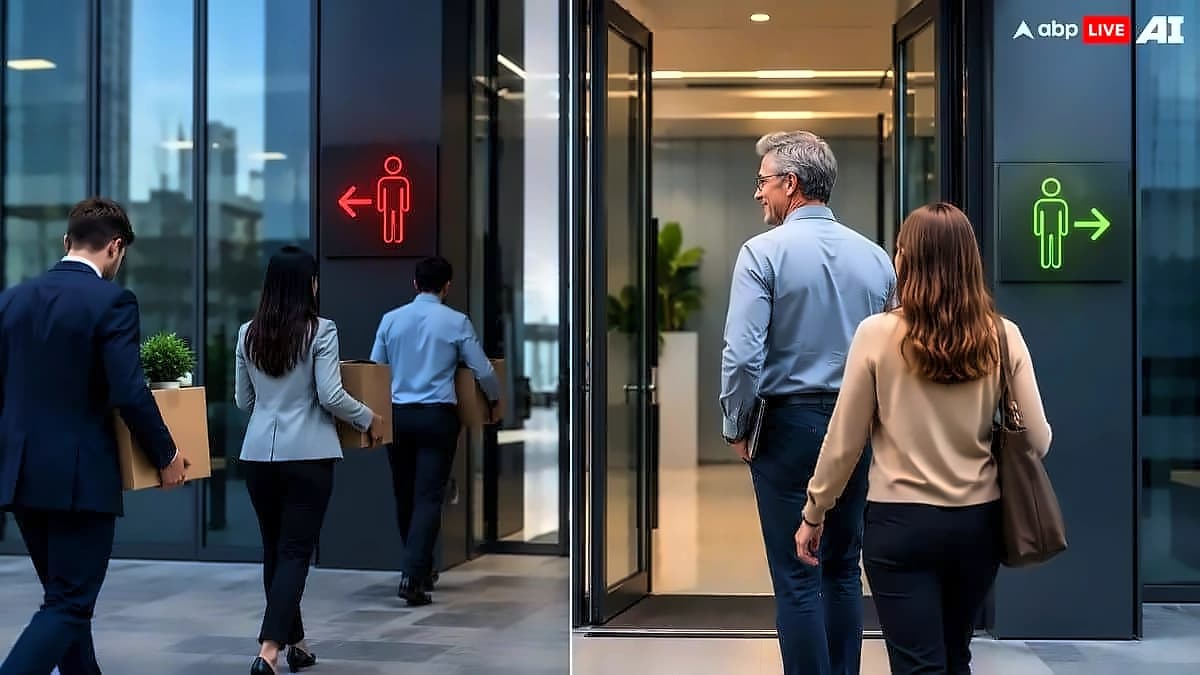
Since the rehiring push, Ford reportedly topped J.D. Power's Initial Quality Survey among mainstream brands for the first time in 16 years, a recovery the company credits to the returned engineers. According to J.D. Power, Ford recorded 152 problems per 100 vehicles, improving sharply from the prior year. The AI-reliant period left the company as the most recalled automaker in the US, a position executives attributed to past automation problems. CEO Jim Farley told Bloomberg TV that the veteran-engineer effort helped reduce warranty and recall costs, contributing to hundreds and hundreds of millions of dollars in cost savings for Ford. As reported by BBC, Farley added that "these are all contributing to literally hundreds and hundreds of millions of dollars of a tailwind for Ford on cost." The company has established a dedicated 40-member software quality assurance team while strengthening collaboration between engineering, manufacturing, software and supply chain divisions to detect problems earlier in the development process.
Ford's quality turnaround is showing positive financial results, with the company reporting adjusted earnings of 66 cents per share in first-quarter 2026, well above estimates of 19 cents. Revenue rose 6% year-over-year to $43.3 billion, and Ford raised its full-year adjusted EBIT outlook to $8.5 billion to $10.5 billion. According to Benzinga Pro data, Ford's next earnings report is projected for July 29. Despite bringing engineers back, Ford maintains that artificial intelligence remains central to its long-term strategy, with the company having introduced more than 100,000 AI-powered validation tests to identify software edge cases and improve vehicle reliability before production. These automated testing frameworks allow engineers to quickly revalidate software whenever late changes are made, ensuring problems are detected before vehicles are delivered. The company is reportedly aiming to cut $1 billion in costs this year as part of its ongoing efficiency efforts.
Ford's experience reflects a broader trend emerging across industries, with companies increasingly recognizing that AI performs best when paired with experienced professionals rather than replacing them altogether. According to TechSpot, a late-2025 Forrester Research report predicted that roughly half of AI-related layoffs would eventually be reversed as companies recognized the limitations of replacing experienced workers. Separate Gartner research forecast that half of businesses which eliminated customer service roles would rename and refill many of those positions by 2027, following a survey of 321 customer service leaders that found only 20% had actually reduced headcount while introducing AI. The emerging evidence suggests businesses are entering a more pragmatic phase of AI adoption, viewing artificial intelligence as a tool to augment rather than replace experienced professionals. Meanwhile, Ford's competitor General Motors has faced criticism over its increasing use of automation, with labour unions criticizing the company after it eliminated more than 1,000 jobs at its main Detroit assembly plant and introduced 50 robotic units to take over manufacturing tasks.