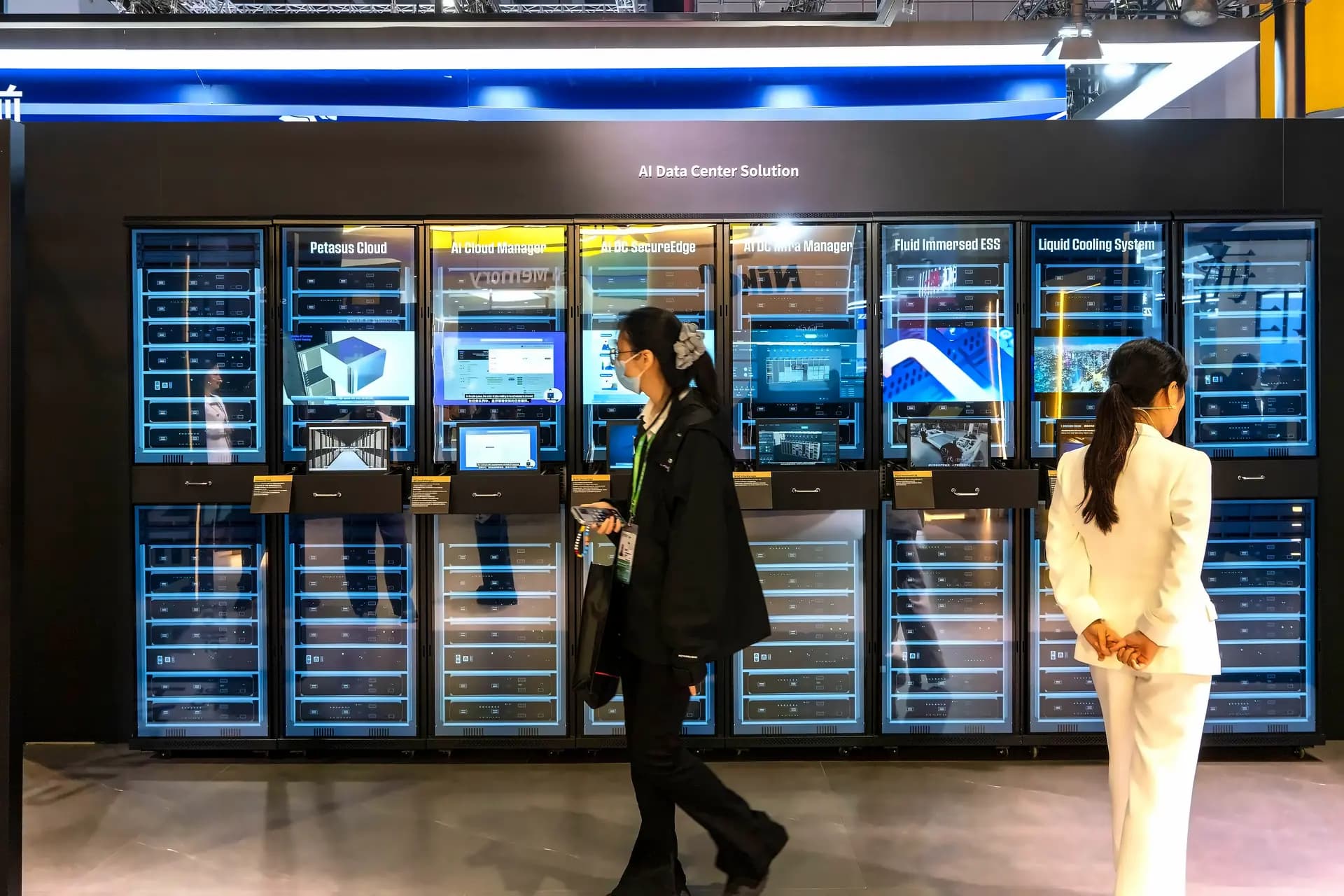
Victoria's ambitious plan to become Australia's datacentre capital has hit significant roadblocks as community opposition intensifies. The state's former premier had committed to up to $25 billion in capital expenditure for the sector, but community concerns about datacentre expansion became impossible to ignore. A change of premier in July, forced in part by dire opinion polls, led to a complete rethink of government policies, with cabinet ministers now directly rebuking industry figures. The jobs minister accused the CEO of ASX-listed datacentre giant NextDC of using artificial intelligence to lobby for support, marking a significant shift from the previous government's pro-industry stance.
The data centre industry faces unprecedented expansion with global investment projected to reach $7 trillion by 2030, according to McKinsey consulting firm assessment. As reported by Business Standard, this monumental build-out is driven primarily by explosive AI workload growth and hyperscaler demands, representing a major structural shift in the digital economy. Data centre power demand is projected to grow by more than 20% annually through 2030, with BCG expecting global power demand to grow at a compound annual growth rate of around 16% from 2023 through 2028, reaching approximately 130 gigawatts.
A comprehensive study by Data & Society research group reveals that Pennsylvania's data centre boom is repeating historical patterns of industrial exploitation. The 66 data centres planned for Pennsylvania would require massive quantities of land, water and energy, with the state's residual assets from earlier industrial development making it especially attractive to the industry. The report found that AI boosters use industrial nostalgia, nationalist fervor and union pride to mask a 'power grab' that echoes earlier generations of industrial development, most recently the natural gas industry growth in the 2000s. Some opponents are concerned that the huge power needs would worsen climate change, while others fear threats to public health and local democracy through inadequate community consultation.
Victoria has announced its strongest and clearest datacentre rules in the country, creating a 150-metre buffer zone between datacentres and homes and mandating fair community consultation. The new regulations also force datacentres to use renewable energy, with the government claiming this approach ensures datacentres power themselves, protect homes, and pay their way. However, the peak body Data Centres Australia warns these rules could cause investment to flow to other states, with CEO Belinda Dennett stating that "other states have seen the opportunity, and they are lining up for it." The government disagrees, pointing to statements from numerous datacentre companies welcoming the regulatory clarity.
Despite OpenAI CEO Sam Altman's dismissal of community concerns, the data centre industry faces mounting public pushback over power and water consumption. According to Business Standard, the industry has joined sectors such as agriculture and mining that consume vast amounts of water and natural resources. Between $700 billion and $1 trillion in investment is currently lost to delays, disruptions, and cancellations due to local concerns over energy, water, land, and community benefits, as highlighted in a recent World Economic Forum report. The report advocates for sustainable designs that ensure long-term operation within environmental and social boundaries. In Pennsylvania, state Sen. Katie Muth has introduced a bill proposing a three-year moratorium on data centre development, with environmental groups calling for swift action ahead of November elections.