According to reports from Business Standard, consumers are increasingly choosing devices that do less as technology becomes more capable. Compact cameras, wired earphones, dedicated music players, physical music formats and older phones are finding new users despite smartphones being capable of performing most of the same functions. This trend represents not necessarily a rejection of newer technology, but rather consumers choosing devices that put limits around specific activities, whether that means listening to music without notifications, taking photographs without immediately sharing them, or maintaining a music collection that does not depend on streaming services.
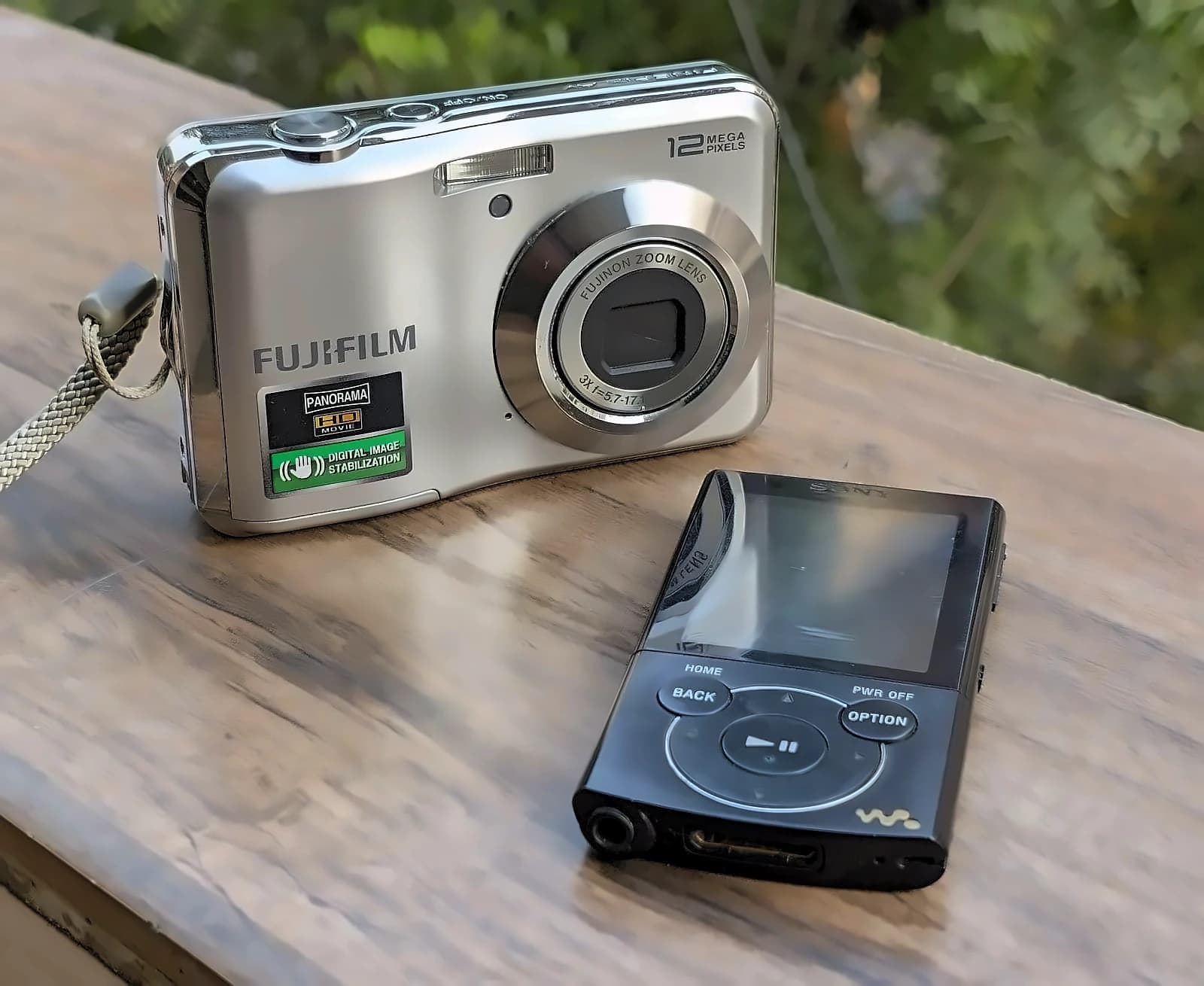
As reported by Business Standard, Raghav Somani, founder and CEO of Headphone Zone, said the company is seeing a significant increase in consumers outside its traditional audiophile base choosing wired in-ear monitors, wired headphones and dedicated offline music players. Somani stated that the company has seen 'something like a 10x increase in the number of new people that are choosing wired in-ear monitors, dedicated offline MP3 players, these kind of products to listen to music now'. This shift is notable because these consumers already have more convenient smartphone options available to them, yet they are deliberately choosing devices that offer different experiences.
According to Business Standard, Canon India's head of camera business Vishesh Magoo told news platform Digit that demand for compact digital cameras in India was running at around 10 times Canon India's current supply. Magoo described the situation as roughly a 1:10 demand-to-supply ratio, rather than a percentage increase. The trend is also visible globally, with data from the Camera & Imaging Products Association (CIPA) showing shipments of cameras with built-in lenses rose 29.6% in 2025, while their value increased 48.9%. The demand is notable because compact cameras offer fewer conveniences compared to smartphone photography, yet that is part of their appeal.
As reported by Business Standard, Somani explained that consumers are now surrounded by several devices that require their own charging, maintenance and attention, leading to digital fatigue. He noted that some consumers are beginning to question the streaming model, stating 'people don't want to stream music for the idea that they don't own the content'. According to IMARC data, India's vinyl record market was worth $62.1 million in 2024 and is projected to reach $112.5 million by 2033. In the US, CD sales rose 45.7% in the first half of 2026, according to the Recording Industry Association of America.
According to Business Standard, consumer technology is moving towards greater connectivity with AI being integrated into smartphones, earbuds, watches and other devices. However, this trend is occurring alongside the growing appeal of simpler gadgets that cannot perform AI functions. The report suggests that the growing appeal of simpler gadgets is more about separating activities that have become bundled together rather than being contradictory to AI-driven technology. This trend represents consumers deliberately choosing products that cannot understand context, anticipate needs, or perform tasks on behalf of users, even as they use AI-powered devices for other activities.