Australia has proposed new legislation that would allow social media users to opt out of platforms' algorithms, marking a potentially significant regulatory shift in the global tech landscape. Prime Minister Anthony Albanese unveiled draft legislation on Tuesday that would impose a 'duty of care' on major social media platforms, including Facebook, TikTok, and Instagram. Under the 'My Feed, My Way' initiative, social media platforms would have to allow users to opt out of content recommended by an algorithm in their feeds. Users would only see content from accounts they choose to follow. As Albanese stated, 'It's not about giving government control. It's about giving people control'. The bill is expected to be approved by the Australian Parliament and introduced later this year. Communications Minister Anika Wells confirmed that users would be able to choose 'over and over' if they repeatedly changed their mind, respecting their ongoing preferences. The legislation requires platform owners to send a notification to new and existing users offering them a choice over their default feed.
The proposed legislation carries substantial financial consequences for non-compliance. Companies that do not comply could be fined up to AU$109.2 million ($79 million), representing a significant deterrent for platform operators. This penalty structure reflects the government's commitment to enforcing the new digital safety standards across major social media platforms. The legislation requires platform owners to send a notification to new and existing users offering them a choice over their default feed. The Digital Duty of Care draft laws shift responsibility onto big tech to proactively reduce foreseeable harms or face fines of more than $109.2 million. For children, the proposed duty covers issues like bullying, pornography, misogyny and eating disorders, while for adults the focus is on criminality, violence and threats. Australia's internet regulator, eSafety, will be responsible for compliance and enforcement of these new rules.
Australia's proposal represents the latest development in a growing global movement to regulate Big Tech platforms. The country's world-first social media ban for under-16s - which went into effect in 2025 - was quickly followed by governments across the planet adopting similar restrictions. Several countries, including Germany, Spain, France, Denmark, and New Zealand, have drafted plans to introduce similar age restrictions, following Australia's lead. The move aligns with international regulatory pressure, including the European Union's Digital Services Act, which has since 2024 required platforms to offer users the option of switching off profiling. However, the EU rollout had a bumpy start, with regulators complaining that platforms did not make it simple enough for users to opt out. Teach Us Consent, the advocacy group founded by Chanel Contos, who launched the "Fix Our Feeds" campaign, welcomed the draft laws, stating 'Australia is world-leading on online safety, and we were the first in the world to begin regulating the online sphere'. The proposed legislation would require social media platforms to switch off features like personalised algorithms and endless scrolling for any users aged under 16, acting as an extra safeguard alongside existing age restrictions.
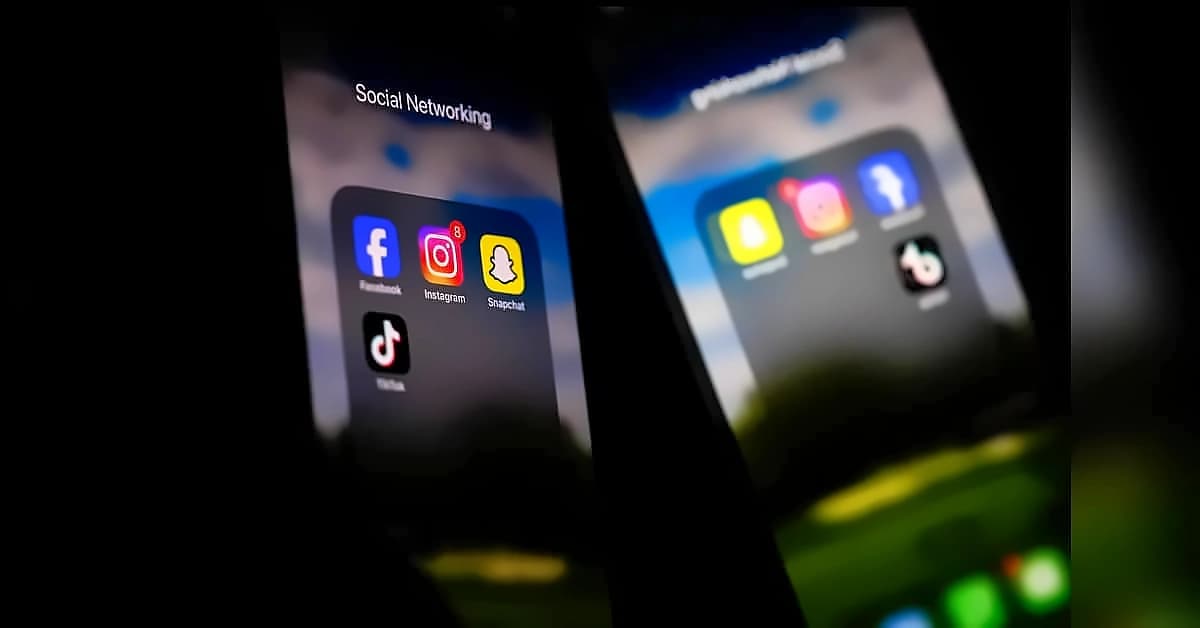
Major platform operators have responded cautiously to Australia's proposal, with some companies opposing the new regulations. Meta Platforms (META.O), which owns Facebook, Instagram and WhatsApp, and Alphabet's Google (GOOGL.O) did not immediately respond to requests seeking comment. Shadow Communications Minister Sarah Henderson expressed concerns, stating 'This gives the minister unfettered powers to make regulations into anything that she considers to be either seriously harmful or harmful to children'. Independent Tasmanian Senator Jacqui Lambie said 'I've had a gutful of big tech. They have had way too much freedom … and it's time to stop'. The regulatory pressure comes amid broader scrutiny of platform design, with regulators increasingly targeting what they perceive as the addictive design of the platforms. This trend was exemplified last month when Meta agreed to pay up to $18 billion in landmark settlements to resolve social media claims from US states. Free speech advocates warned the proposed legislation could result in censorship, highlighting the balance between user control and platform freedom.
Industry experts view Australia's move as part of a broader global trend rather than a revolutionary innovation. Ewan Lusty, a Singapore-based partner at political and regulatory consultancy Flint Global, described the proposal as "a continuation of a trend rather than a completely novel innovation." Lusty noted there is a global shift toward governments seeking to empower users and provide them with more control over how they interact with digital services, including the option to restrict personalization elements. The move represents digital services taking "important steps and providing users with more granular controls over their experience." Teach Us Consent's Chanel Contos emphasized that 'Getting this reform right would let that momentum continue and set a global standard'. However, Senator Henderson criticized the legislation, stating 'This is, from what I can tell so far, a pretty dangerous piece of legislation' and arguing that known harms should be explicitly set out in the laws rather than left to ministerial discretion. The government will seek feedback from digital platforms, industry bodies, civil society organisations and advocates on the draft legislation before finalizing the bill.