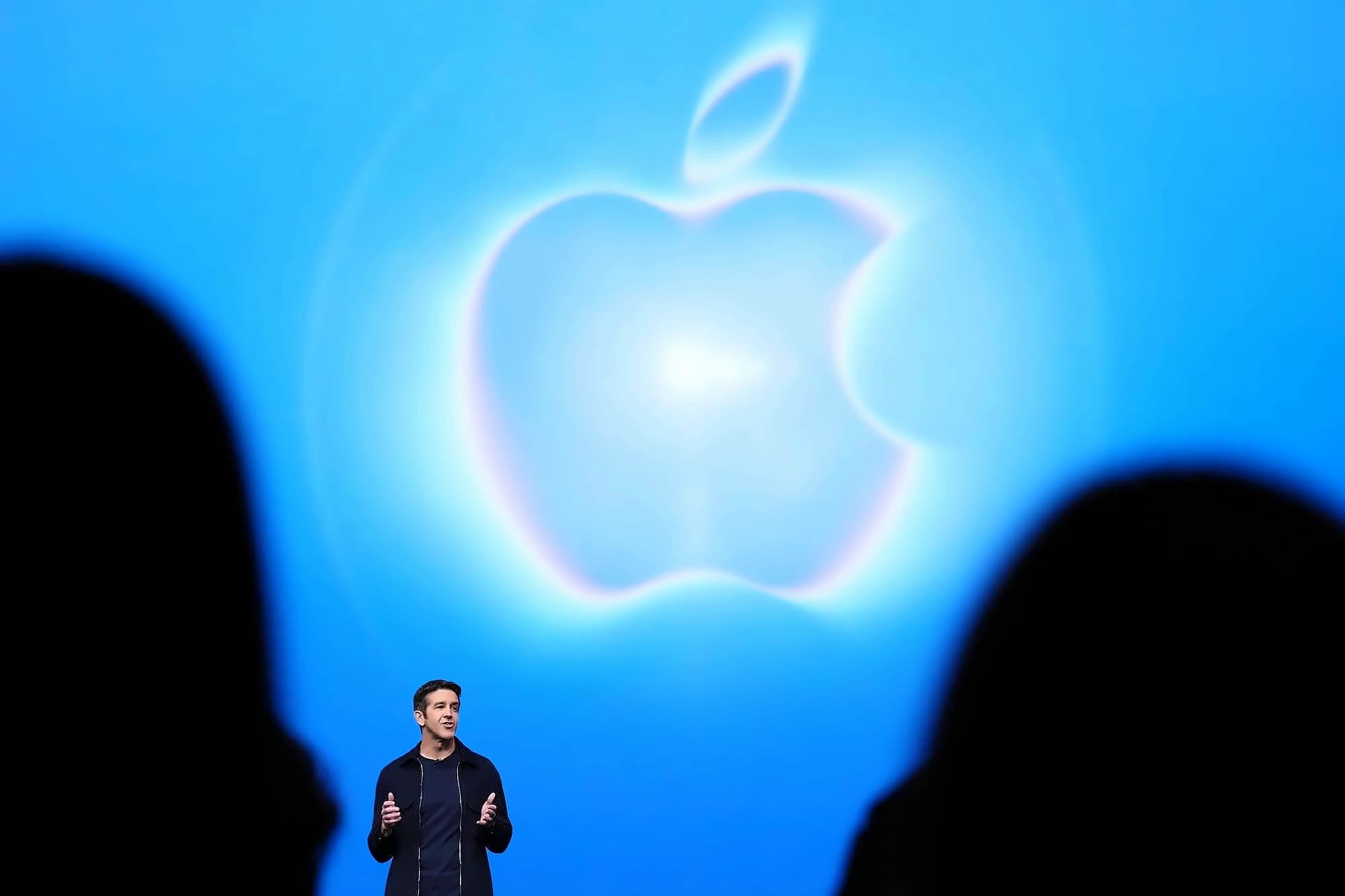
Apple CEO Tim Cook delivered his final Worldwide Developers Conference keynote on Monday, marking the end of an era that began with his first keynote in October 2011. According to reports from NDTV Profit, Cook wrapped up his tenure with Apple's vision of AI integration, introducing Siri AI and expanding Apple Intelligence across the platform. The event saw the introduction of AI agents entering the Passwords app, with John Ternus stepping in as his successor. Cook's departure comes as Apple prepares for iOS 27 rollout in September, when he will pass the CEO role to Ternus. As Softorino reports, WWDC 2026 felt like a transition keynote, with Siri AI finally moving into the center stage while Intel Macs fade out and Apple's best software features become even more tied to newer hardware.
Apple announced 250+ changes at WWDC 2026, marking one of the most comprehensive software updates in company history. According to Softorino, the keynote was not just "Apple adds AI," but Apple tightening the whole stack with macOS Golden Gate cleanup, improved Apple TV media features, and the best AI tools moving to newer hardware. The headline update was Siri AI, which can now understand what is on your screen, use personal context across apps, and work from its own dedicated app on iPhone, iPad, and Mac. iOS 27 delivers significant speed improvements with Photos loading 70% faster and AirDrop transfers up to 80% faster, while macOS Golden Gate focuses on cleanup, faster network file browsing, and better Messages syncing. The most powerful on-device AI features require 12GB of memory, limiting the full experience to iPhone 17 Pro, iPhone Air, M4+ iPads, and M3+ Macs. The developer beta of iOS 27, iPadOS 27, macOS 27 Golden Gate, watchOS 27, and visionOS 27 are available now to users with an Apple Developer account, to be followed by a public beta in July, with public launch scheduled for fall following the annual iPhone launch event in September.
Apple has completely reimagined Siri from the ground up, now called Siri AI and powered by Apple Intelligence. According to Apple, the assistant is designed to be more conversational, more context-aware, and far more capable than its predecessor. The rebuilt assistant can draw on a user's personal messages, emails, and photos to surface relevant information — finding a restaurant a friend mentioned in a text, for instance, or pulling a hotel confirmation number out of an old email. The assistant taps into broad web knowledge to answer questions on virtually any topic, and users can extend any response into a back-and-forth conversation with follow-up questions. Siri AI gets a dedicated app for the first time, which syncs conversation history across devices via iCloud, so a conversation started on a Mac can be picked up on iPhone or Apple Watch. The assistant also gains deeper Visual Intelligence capabilities, with the feature expanding beyond iPhone to iPad, Mac, and Apple Vision Pro. On iPhone, a new Siri mode built directly into the Camera app lets users point their phone at something and get information or take action on it, including splitting a bill via Apple Cash or getting nutritional info about food. On Mac, a keyboard shortcut lets users select anything on screen and query Siri about it directly. Siri AI will enter developer beta today and roll out to users later this year, initially in English, on devices running Apple's latest software across iPhone 16 and later, iPhone 15 Pro, M1-and-later iPads and Macs, and Apple Vision Pro.
Apple has developed camera-equipped AirPods as part of its biggest wave of new products planned for late 2027, marking the company's entry into the AI wearable market. According to Bloomberg News, the camera AirPods, code-named B798, were originally slated for release in 2026 but faced delays due to Apple's struggles with AI software development and the need to create visual AI models capable of identifying objects in user surroundings. The new AirPods are designed to be Apple's first AI-focused wearable product, with computer-vision cameras embedded in the stems that won't capture photos or video but instead act as sensors feeding visual context into Siri. Users can ask Siri questions about objects and the surrounding environment, such as asking what to make for dinner while looking at a collection of ingredients. The AirPods will closely resemble current AirPods Pro models with external lights indicating when data is being sent to the cloud for processing. Apple is also exploring additional AI wearables, including an AI-focused pendant with a camera that can be worn as a necklace or on clothes. These products are part of Apple's broader push into Visual Intelligence technology, with the company planning to release its first smart glasses as early as the tail end of next year, code-named N50, designed to rival Meta Platforms offerings.
Leaks around the iPhone 18 Pro range continued to surface this week, with conflicting reports about pricing strategies. According to NDTV Profit, one leak indicated the upcoming Pro range may start $100 upwards from the last generation, while another suggested Apple may absorb rising production costs but charge for advanced AI features. The iPhone 18 Pro Max is expected to carry a higher starting price of $1,299, representing a $100 increase compared to the iPhone 17 Pro Max. However, experts indicate that advanced features tied to Apple Intelligence may start with free trials before shifting to subscription-based access. As Softorino notes, even a new iPhone can be "new, but not that new" - the standard iPhone 17 with 8GB misses out on the new expressive Siri voices and upgraded dictation. Apple is bringing some of iOS 27's core features to older devices, including the iPhone 11 which launched in 2019 and doesn't have specialized neural hardware required for Apple Intelligence, yet Apple continues to support it because so many users are still holding on to aging devices.