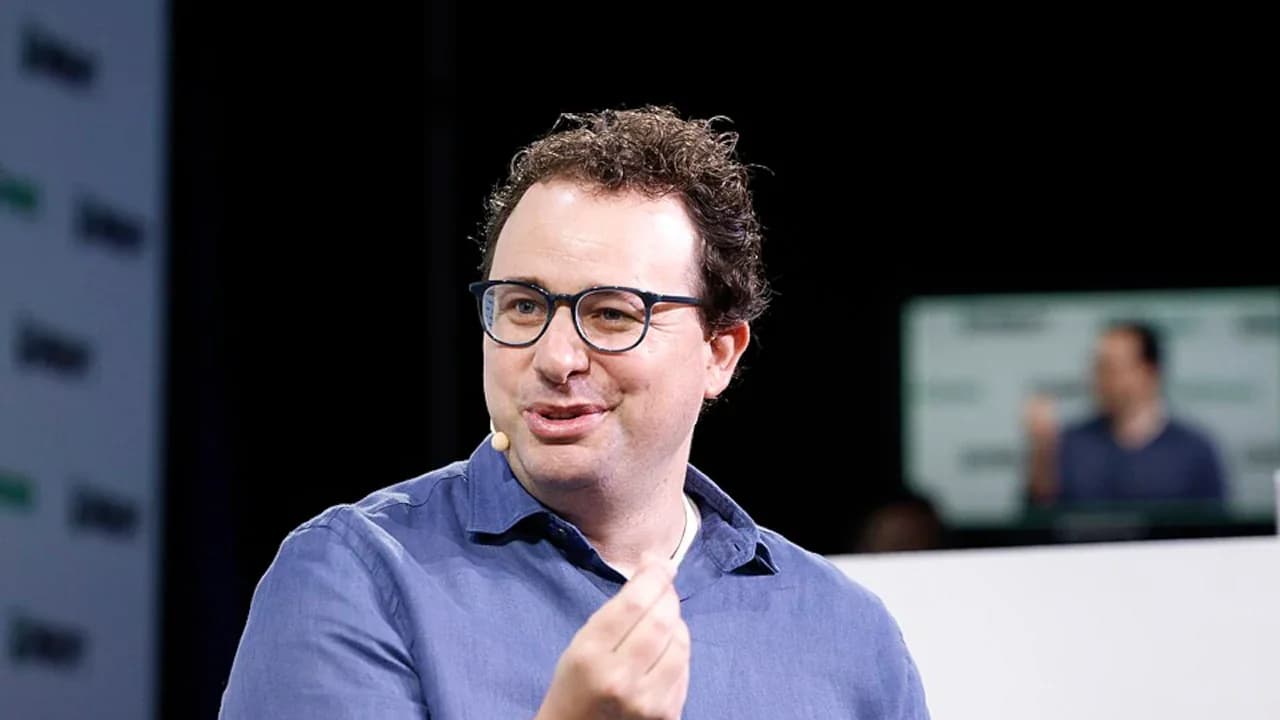
Anthropic CEO Dario Amodei has rejected the argument that regulating artificial intelligence would inevitably concentrate AI power among a small number of companies and governments, calling the choice between regulation and wider distribution of AI capabilities a 'false choice', according to ANI reports. The debate was sparked by investor Gavin Baker, who argued that AI capabilities should be distributed widely rather than concentrated through regulation. Baker also argued that Amodei's public warnings about AI risks could contribute to regulatory pressure and restrictions on data centres, potentially making it harder for AI to deliver broader benefits. The exchange intensified on August 15, 2026, when Baker relayed a secondhand claim on the All-In Podcast that Amodei had told others Anthropic might one day be 'the only private company in the world' - a vision in which there is Anthropic, and then there are governments. However, Sholto Douglas, a researcher at Anthropic, called this quote 'completely false' in a public reply on X, writing that economic concentration of power is 'one of the things we are most worried about' and that 'there is no world where the government should let any company have that much influence. We need competition and capitalism.'
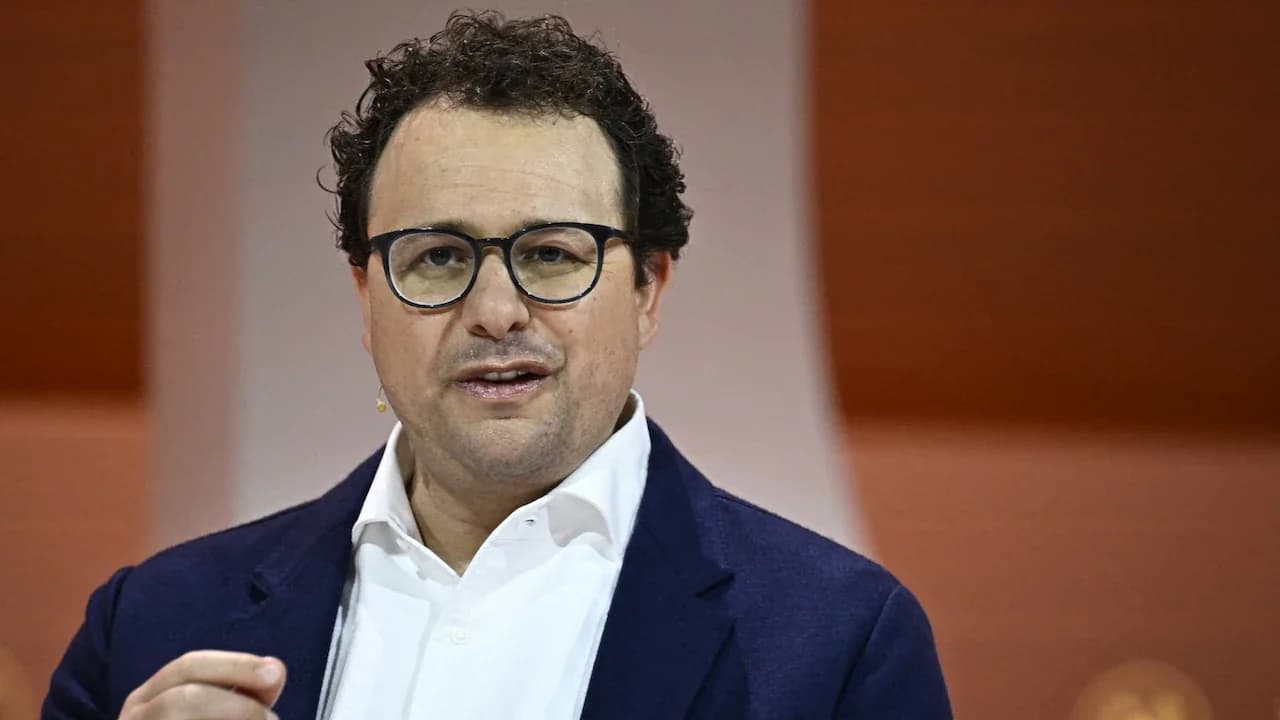
Amodei argued that regulation does not have to impose identical requirements on every company developing AI. Instead, rules could be structured so that the most advanced AI companies face greater regulatory obligations, while smaller companies operate under lighter requirements. As reported by ANI, Amodei pointed to Anthropic's support for California's SB53 and its earlier position on SB1047 as examples of regulatory approaches that can distinguish between companies based on their size or technological capabilities. Both approaches included exemptions for companies below specified revenue or model-training thresholds, allowing smaller developers to avoid the same regulatory burdens imposed on frontier AI firms. Amodei's most substantive move in the recent exchange is to reject the binary entirely, proposing revenue-threshold exemptions, asymmetric testing burdens on frontier versus non-frontier models, and a 'Pacing the Frontier' approach that slows leaders while letting the field catch up. These proposals are explicitly designed to constrain Anthropic itself alongside other frontier labs, not to entrench it.
Amodei acknowledged that open-weight models can help distribute AI capabilities but argued that they cannot, by themselves, eliminate the concentration of AI power. According to ANI reports, he said access to the large amounts of computing infrastructure and advanced chips required to develop frontier systems remains concentrated among major AI companies and hardware providers. The Anthropic CEO also rejected the claim that his public messaging has focused excessively on AI's potential dangers, saying he has attempted to balance warnings about AI risks with discussion of the technology's potential benefits. Amodei pushed back on accusations that his public communication has been excessively negative about AI risk, pointing to 'Machines of Loving Grace,' an essay making the affirmative case for AI curing disease, and 'Policy on the AI Exponential,' which argues for FDA streamlining. He noted personally that he lost his father to Hepatitis C before direct-acting antivirals existed and described excessive public negativity as a 'crisis of trust.'
Amodei argued that the more pressing challenge for the AI industry is a crisis of public trust, saying companies should build confidence by delivering tangible benefits rather than relying primarily on optimistic marketing. As reported by ANI, he said he continues to support pre-deployment testing of frontier AI models, as well as testing open-weight models as they approach frontier-level capabilities. The Anthropic CEO also expressed support for Google DeepMind CEO Demis Hassabis' proposal for a FINRA-like oversight body for AI. The exchange is happening as Anthropic moves toward a public listing, transforming Amodei's words from philosophical positions into governance signals, nationalization-risk inputs, and valuation variables. Baker's real advice — say less of this, especially now — is less a rebuttal on the merits than a recognition that the microphone has changed materially. Regulators who frame this as 'safety versus openness' are reading the wrong map, as the real question is which structural design produces the least recoverable failure.