According to reports from Business Standard, AI has become a particularly visible reference point in global business conversations, with discussions about Nvidia appearing across American, European, Indian, and Asian television channels and social media platforms. The writer notes that in four decades of working in public affairs, he cannot recall seeing this level of public attention around technological development and the companies associated with it. The scale of attention is unprecedented, with AI applications becoming increasingly visible across businesses, professions, education, healthcare, public services, skills, and everyday life.
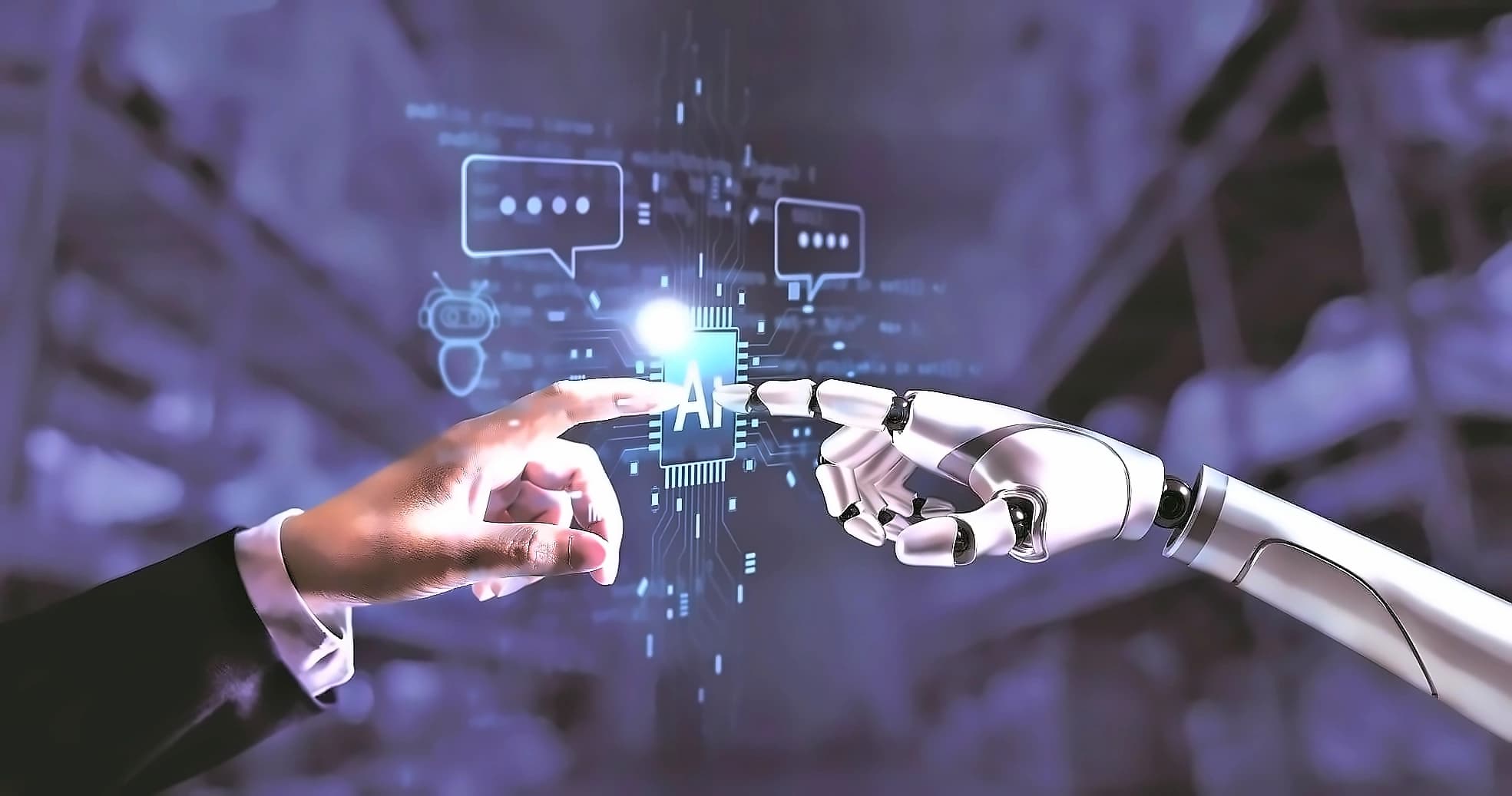
As reported by Business Standard, for India, the possibilities are enormous with AI potentially improving public service delivery, enhancing productivity, strengthening healthcare and education, and contributing to the competitiveness of Indian businesses. The article highlights that there are already important discussions underway in government, regulatory institutions, and think tanks regarding AI regulation, privacy safeguards, and innovation protection. However, the writer questions whether Indian businesses are giving equal attention to ethical governance, accountability, and responsible use considerations as they accelerate AI adoption.
According to recent analysis, an AI strategy must solve the right business problems rather than focusing on technology implementation alone. As reported by Gartner's 2026 CEO survey, 80% of executives expected AI to drive high or medium degree of change to operational capabilities, while 17% anticipated significant changes to their customer base. The challenge lies in ensuring AI investments align with strategic business objectives rather than becoming separate technology exercises. Successful AI implementation should prompt strategic reviews of underlying assumptions and scaling decisions, as technological advances may change markets around investments while they deliver promised results.
According to the Business Standard report, the transition from founder-led success to institution-building is not always easy, involving balancing legacy with change and ownership with professional management. The article emphasizes that AI adds another dimension to this challenge as the ability to adapt to technological change will increasingly depend on an organisation's people, culture, leadership and capacity to evolve. The writer notes that companies do not operate in isolation and their decisions affect employees, customers, investors, governments, regulators, communities, and civil society, making constructive engagement with these stakeholders central to building lasting relationships and public trust.
According to the Business Standard report, the writer expresses curiosity about how these conversations will unfold in India regarding policymakers, regulators, and how Indian companies embrace AI while thinking through ethical governance and accountability. The article notes that AI was already a prominent subject at the Annual Meeting in January 2026, with the writer looking forward to watching how conversations evolve at the Davos Annual Meeting in January 2027. The writer concludes that while the pace of technological change may be extraordinary, the human questions around leadership, judgement, responsibility and trust remain as relevant as ever.