According to the Wall Street Journal, Anthropic plans to pitch investors on a colossal total addressable market (TAM) exceeding $30 trillion for its upcoming IPO, surpassing SpaceX's previous $28.5 trillion record. The Claude chatbot maker is projecting 2028 revenue of roughly $190 billion to $200 billion, with its IPO valuation hinging on these forecasts. To quantify its TAM, Anthropic is looking at the full scope of work that could be completed with AI models, mapping out all work AI models could automate. A large TAM would justify Anthropic's valuation and heavy infrastructure spending, guide product priorities, frame its rivalry with OpenAI and Google, and anchor the growth story behind its planned IPO. However, as reported by Bloomberg, Anthropic's own forecast of up to $200 billion in revenue by 2028 would capture under 1% of the claimed market, highlighting the significant gap between projection and reality.
According to The Wall Street Journal, Anthropic could file its prospectus before the end of August, with bankers floating a raise above $100 billion at a valuation near $2 trillion, both of which would be records. The company itself "expects to match or beat the size" of SpaceX's deal, as per a Bloomberg report. SpaceX went public in June 2026, when it was valued at $1.77 trillion and raised $85.7 billion in its IPO. This would more than double Anthropic's valuation of $965 billion, which was reached in its last funding round in June. Only giants of the tech industry like Apple, Microsoft, and Nvidia have managed to surpass the $2 trillion mark, which Anthropic, a five-year-old company, is planning to touch. Anthropic filed to go public in June and could release its public offering prospectus in the coming weeks, with shares possibly listed in autumn.
Despite the massive market claims, Anthropic remains unprofitable with heavy compute bills potentially pushing later quarters back into losses. The numbers are unaudited and could be revised before the filing lands, with adjusted profit typically stripping out costs such as stock pay. As reported by Bloomberg, the private market's $965 billion price from May would need to roughly double within months on one adjusted-profit quarter. The company leans on Amazon and Google for compute and holds no investment-grade credit rating. Anthropic knows these risks, which explains their reported plans to list negative sentiment toward AI as a risk factor in their prospectus. The filing, which is likely due within days, will show how much of the $30 trillion story survives full disclosure, with OpenAI's 2027 listing timeline trailing behind, making Anthropic's reception crucial for shaping every AI debut that follows.
According to recent reports, Anthropic is arranging financing ahead of the listing with its pre-IPO revolving credit facility expected to exceed $10 billion. This substantial financing preparation demonstrates the company's serious commitment to supporting its ambitious growth plans and IPO timeline. The $10 billion credit facility represents a significant financial backing that will be crucial in funding the company's expansion and AI infrastructure development as it prepares for what could become one of the largest IPOs on record.
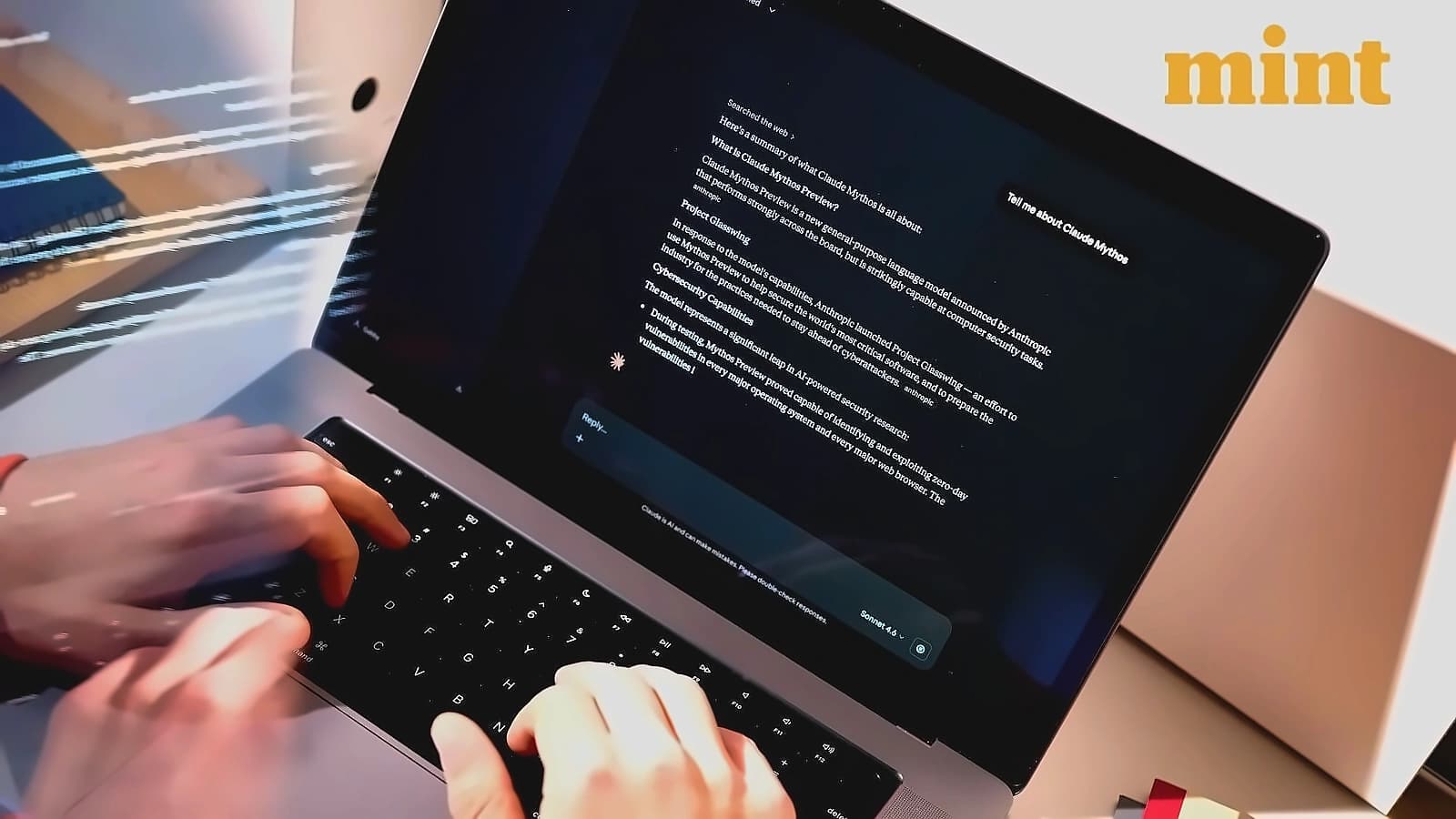
According to Live Mint, Anthropic's coding assistant, Claude Code, has become its most popular product, helping push its annual projected revenue to a whopping $47 billion. However, the company's success has been accompanied by challenges in meeting demands for computer power amid a global chip crisis. Potential investors could also harbour concerns over the company's difficult relationship with the US administration. Anthropic was founded in 2021 by Dario and Daniela Amodei and other former executives of OpenAI, and its growth trajectory shows significant momentum with the company achieving an annualized $65 billion run rate at the end of July compared with roughly $9 billion in late 2025, representing a sevenfold jump in seven months.
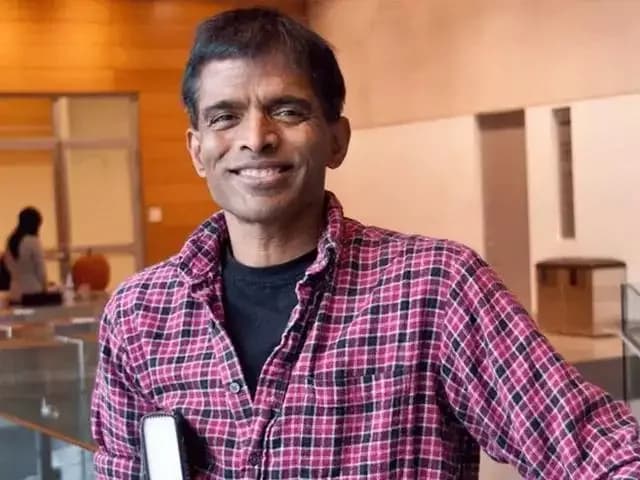
According to The Economic Times, Aswath Damodaran, widely known as the 'Dean of Valuation', has highlighted significant risks facing SpaceX in its AI business ahead of its anticipated IPO. Damodaran warns that SpaceX faces the risk of overreaching in the AI business, beginning with an overestimate of the target market for AI products and services and the strength of its own competitive position. The valuation expert describes the potential for a 'UFC match' between two monstrous egos, funded by tens of billions of dollars of shareholder money, referencing the fierce rivalry between SpaceX founder Elon Musk and OpenAI CEO Sam Altman. As reported by The Economic Times, Damodaran notes that while the post-prospectus data slightly increase SpaceX's equity value to ₹1.3 trillion, anchored by Starlink's strong growth, the rumored ₹1.8 trillion market cap is too high due to massive margin pressures and the capital intensity of its overhyped xAI business.
According to The Economic Times, Aswath Damodaran, widely known as the 'Dean of Valuation', has outlined that artificial intelligence follows a predictable cycle of revolutionary change. The valuation expert argues that every major disruptive technology goes through four distinct phases: hype and hope, investment build-up, business building, and recalibration. Damodaran emphasizes that AI is currently entering the business-building phase, where companies are generating revenues from AI-powered products, though profitability remains uncertain. In his latest analysis, Damodaran notes that the debate about AI has gone off track, with advocates and skeptics often talking past each other - advocates focusing on the technology's alleged massive potential market, while skeptics zero in on massive upfront investments as too large. As reported by The Economic Times, Damodaran argues that revolutionary change has been a constant through human existence and follows a cycle, moving the discussion toward examining AI as a business rather than just a technological phenomenon.