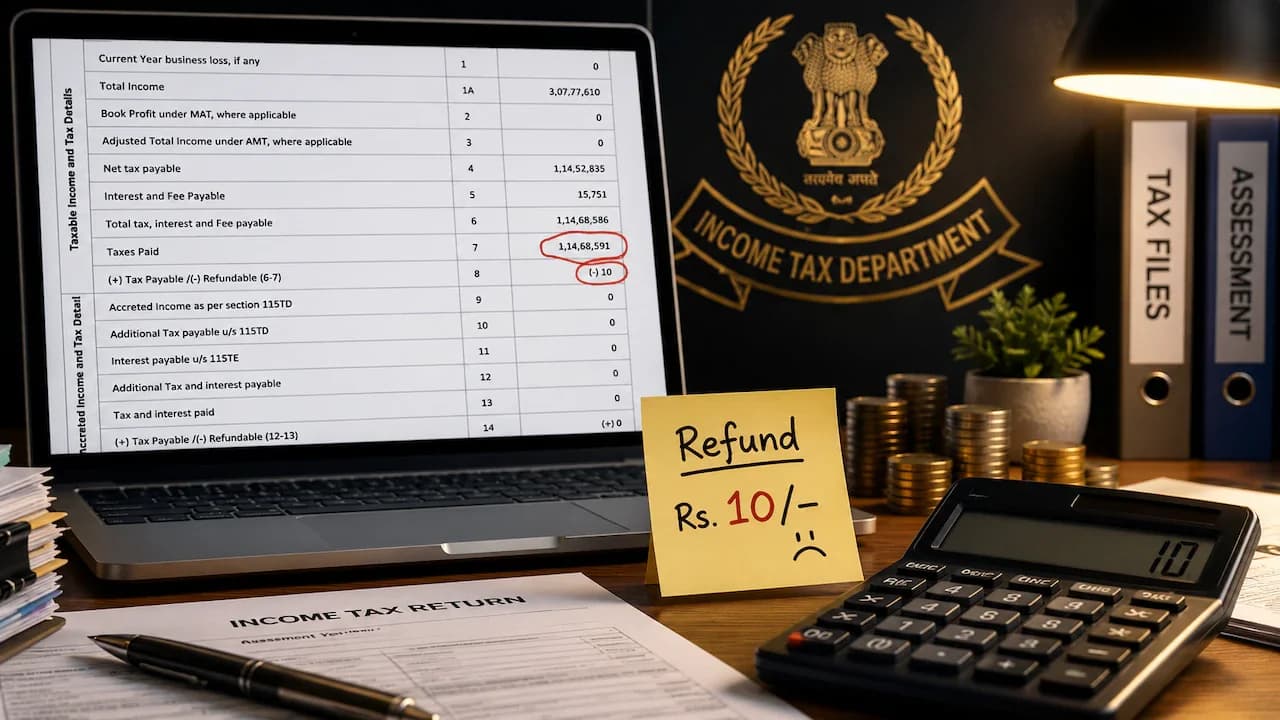
A Haryana taxpayer who declared an income of ₹1.79 lakh faces an income addition of ₹11.22 crore after the tax department discovered ₹85.93 lakh in demonetisation-era cash deposits in his bank accounts. According to reports from The Economic Times, a tax tribunal has granted him one final opportunity to contest this addition by planting 500 trees or paying the plantation cost within one month. The taxpayer must either undertake the plantation himself or deposit the full cost with the specified NGO Hari Yamuna Sehyog Samiti within the same period. As per ITAT Chandigarh, the tribunal found it appropriate to grant the taxpayer one final opportunity after considering rival submissions and remanded the matter to the Assessing Officer for verifying compliance with the plantation condition. The tribunal made it absolutely clear that this relief is conditional, meaning if the assessee fails to comply with the plantation, the original CIT(A) order confirming the ₹11.22 crore addition will stand restored.
The taxpayer filed his Income Tax Return for Assessment Year 2017-18, declaring an income of ₹1,79,160 alongside agricultural income of ₹3 lakh. As reported by The Economic Times, the Assessing Officer discovered several discrepancies during scrutiny. The officer found cash deposits of ₹85.93 lakh in the taxpayer's bank accounts during the demonetisation period, which he failed to explain. Additionally, the officer discovered unsecured loans exceeding ₹9.25 crore and sundry creditors exceeding ₹1.07 crore, all of which were treated as unexplained credits and income under Section 143(3) of the Income Tax Act, 1961. According to ITAT Chandigarh, the Assessing Officer found that the ₹3 lakh agricultural income wasn't substantiated by supporting evidence, resulting in an assessed total income of ₹11,23,87,670. Tax expert Karanjot Singh Khurana of DMD Advocates noted that the fact pattern is a textbook trigger, speculating that the return declaring such a low income against cash deposits of nearly ₹86 lakh and balance sheet carrying ₹9.26 crore of unsecured loans could have been flagged in CASS for scrutiny assessment.
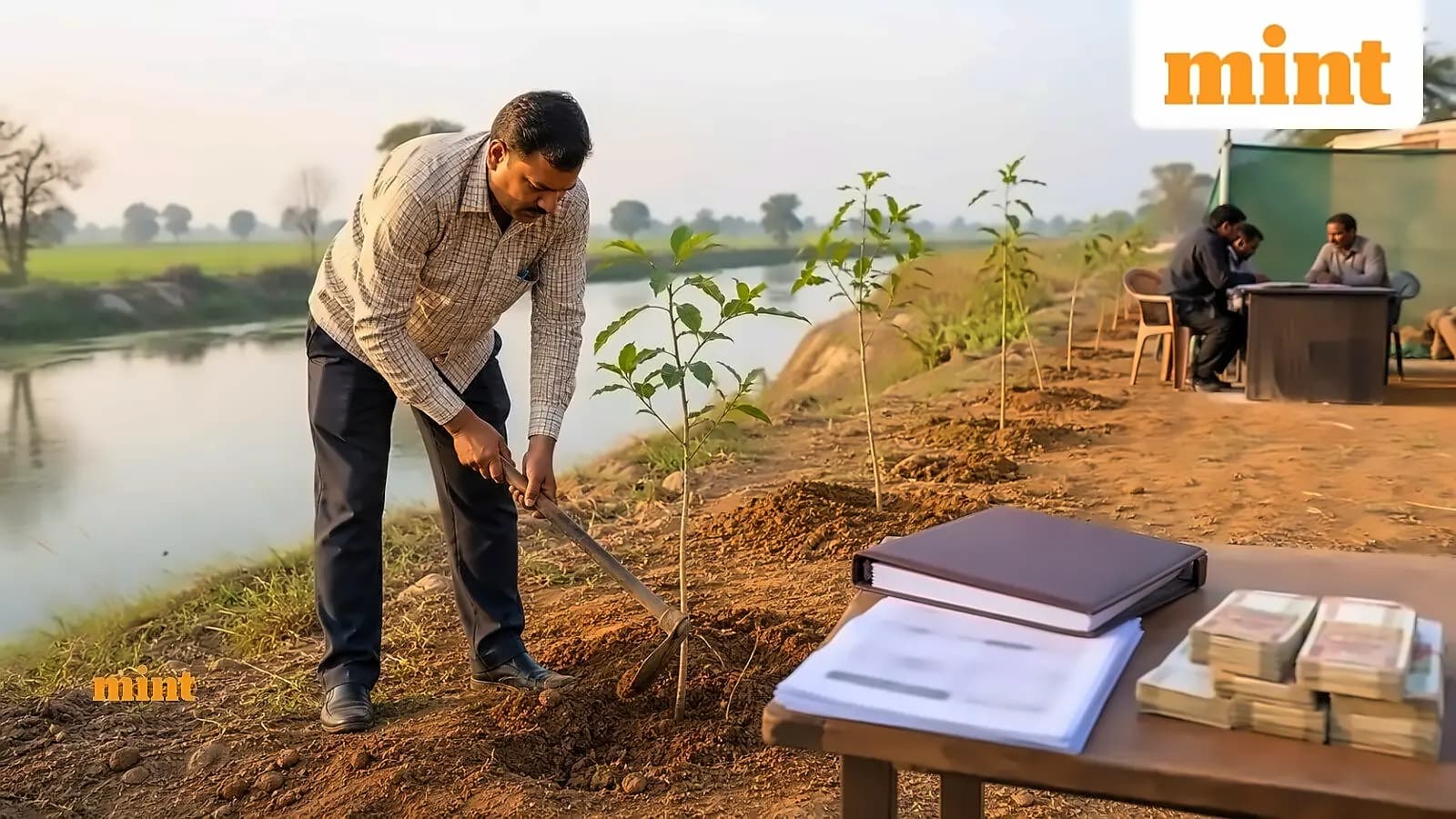
The taxpayer has offered to plant 500 trees at the Yamuna Bank site in Samalakha, Panipat as a gesture of social and environmental responsibility. According to The Economic Times, the work can be undertaken either directly or with assistance from the NGO Hari Yamuna Sehyog Samiti. He has committed to paying ₹30 per tree towards maintenance for one year. As per ITAT Chandigarh, the assessee must ensure the plantation, installation, protection and maintenance of the 500 trees within the specified timeframe. The tribunal's decision effectively directs that the cost of granting this indulgence be borne by ecological restitution rather than the exchequer, as noted by tax expert Karanjot Singh Khurana of DMD Advocates. The unusual aspect is that the tribunal has seemingly attached a price to the indulgence and directed that price towards ecological restitution rather than conventional cost imposition.
The taxpayer initially challenged the assessment before the Commissioner of Income Tax (Appeals) in Gurgaon, where all additions were confirmed. He then approached the Income Tax Appellate Tribunal (ITAT) in Chandigarh, where he requested one final opportunity to present evidence before the Assessing Officer. As reported by The Economic Times, the tribunal conditionally accepted his request, granting him another opportunity to explain the disputed amounts subject to compliance with the plantation condition. According to ITAT Chandigarh, this relief is conditional and in the event the assessee fails to comply with the plantation, the original CIT(A) order confirming the ₹11.22 crore addition will stand restored. The tribunal noted that the taxpayer did not seek unconditional deletion of the income but instead sought one final opportunity to substantiate his case. Tax expert Karanjot Singh Khurana explained that three factors likely influenced the tribunal's decision: the offer for tree plantation came from the taxpayer, the Income Tax Department did not seriously oppose the opportunity though it sought strict compliance, and the additions also rested on an absence of evidence before lower authorities.
Tax expert Karanjot Singh Khurana of DMD Advocates told ET Wealth Online that three factors likely influenced the tribunal's unusual decision. According to his analysis, the taxpayer volunteered the plantation offer, the Income Tax Department did not oppose the opportunity though it sought strict compliance, and the additions also rested on an absence of evidence before lower authorities. Khurana described the order as 'unusual' and noted that the tribunal effectively directed that the cost of granting this indulgence be borne by ecological restitution rather than the exchequer. He emphasized that while this case doesn't set a precedent, it's not hard to imagine that taxpayers seeking remand to lower authorities could assert similar restitutions, working to the assessee's advantage. Khurana stressed that while the selection of income tax returns for scrutiny is largely algorithmic and not something a taxpayer can engineer around, one thing entirely within a taxpayer's control is the outcome, recommending taxpayers to reconcile returns against AIS and Form 26AS, maintain contemporaneous documentation for loans and gifts, and substantiate agricultural income with land records and mandi receipts.