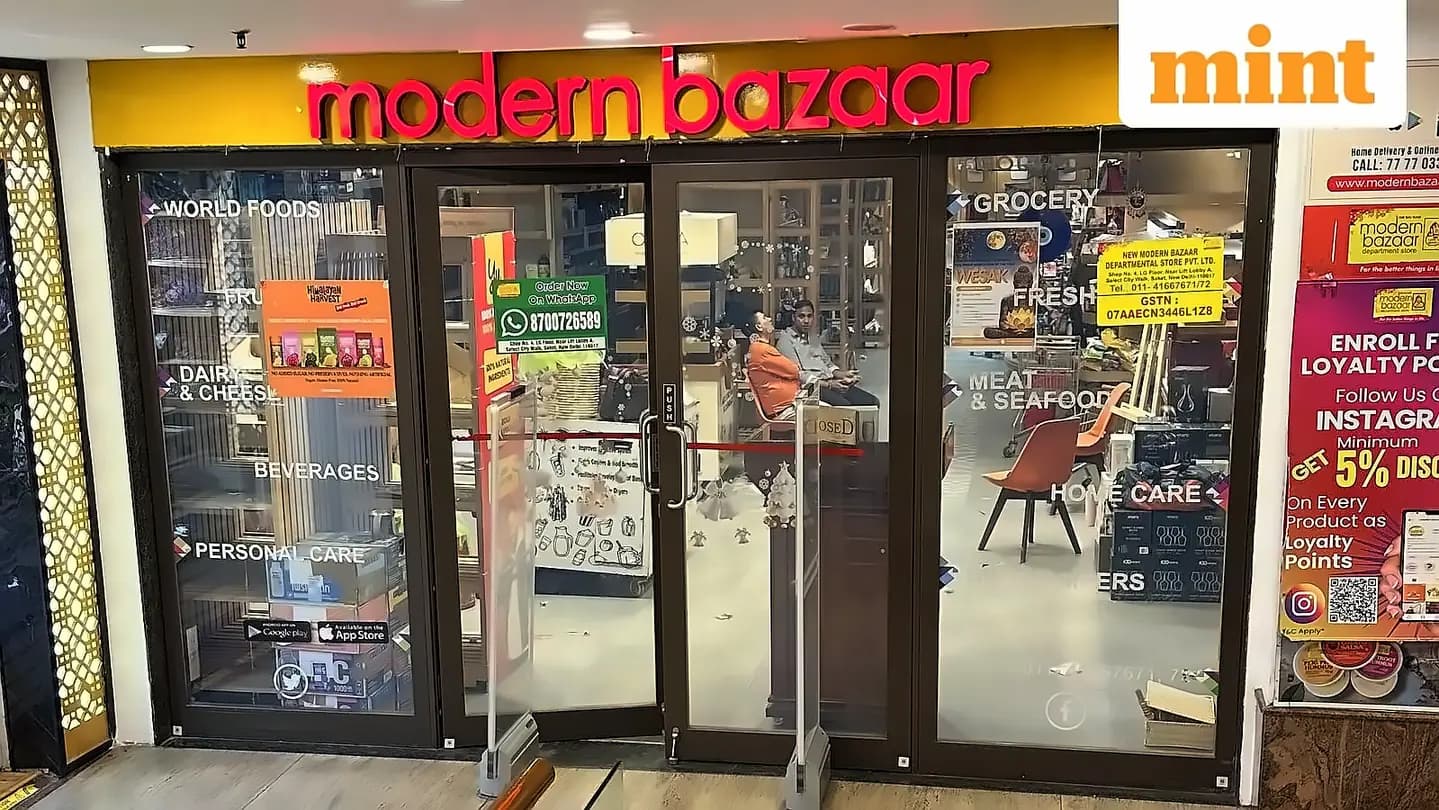
Quick commerce (QC) is presenting the most significant challenge yet to traditional kirana stores, according to reports from Business Standard. Flipkart Minutes, the newest entrant in this space, says it will take the game to small towns and others will probably follow suit. The analysis suggests QC represents 'kirana on steroids', offering fresh produce, durables, and electronics that traditional stores cannot manage while delivering exceptional customer value through smarter, faster ordering experiences.
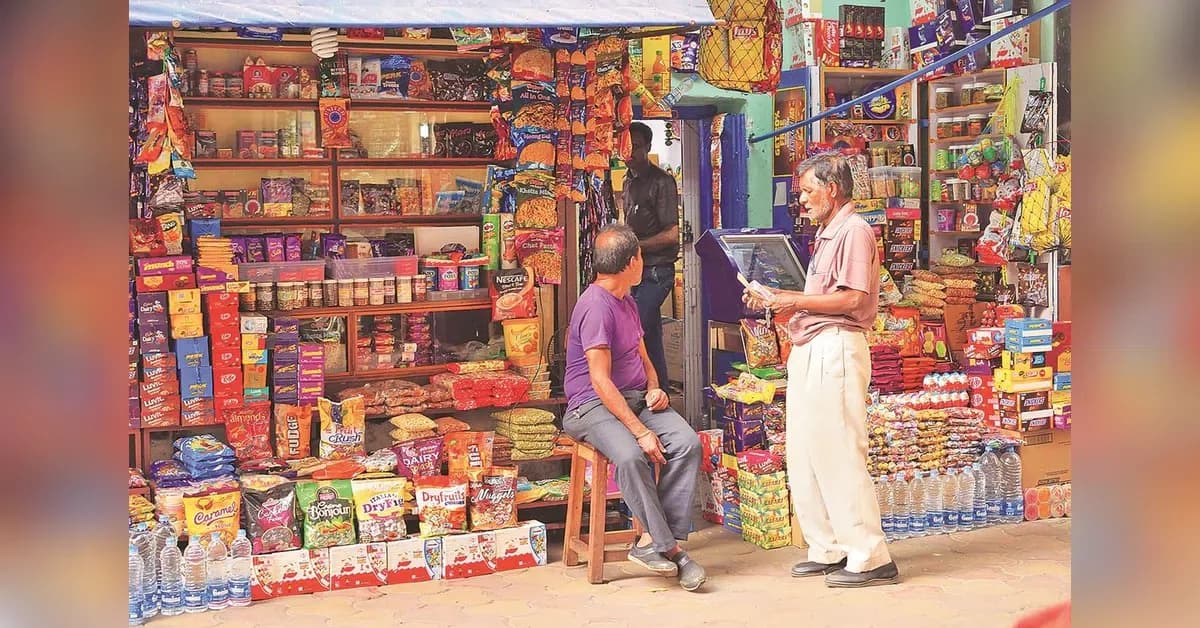
Over the past 20 years, real estate prices have forced kiranas to leave prime, higher-income neighbourhoods and their deliveries have suffered. As reported by Business Standard, the larger kiranas have modernised, being dragged into digital distribution chains by large companies and offered data and customer management tools. However, their customer service has been slipping, and their business economics are predicated on the owner sitting in the shop, something the next generation is unwilling to do.
According to the analysis in Business Standard, Consumer India's sweet spot is products that offer better function with familiar form. The packaged food revolution that other countries experienced did not occur in India, instead emerging through home cooks listed on WhatsApp groups and food delivery apps. The report notes that 'Consumer India just got more monstrous, with another shot in the arm' after previous disruptions from liberalisation, Chinese goods, and Amazon.
As reported by Business Standard, kiranas will be around because of the vastness of India and the strategic choices QC companies may make. However, many traditional stores will shut shop and pivot to other businesses, especially as the creamy layer of consumers and their consumption moves away. The analysis suggests that new, exciting Lilliput-challenger brands are not going through the pain of distributing widely through kiranas, instead settling for the growing, relatively affluent consumer pool offered by quick commerce platforms.