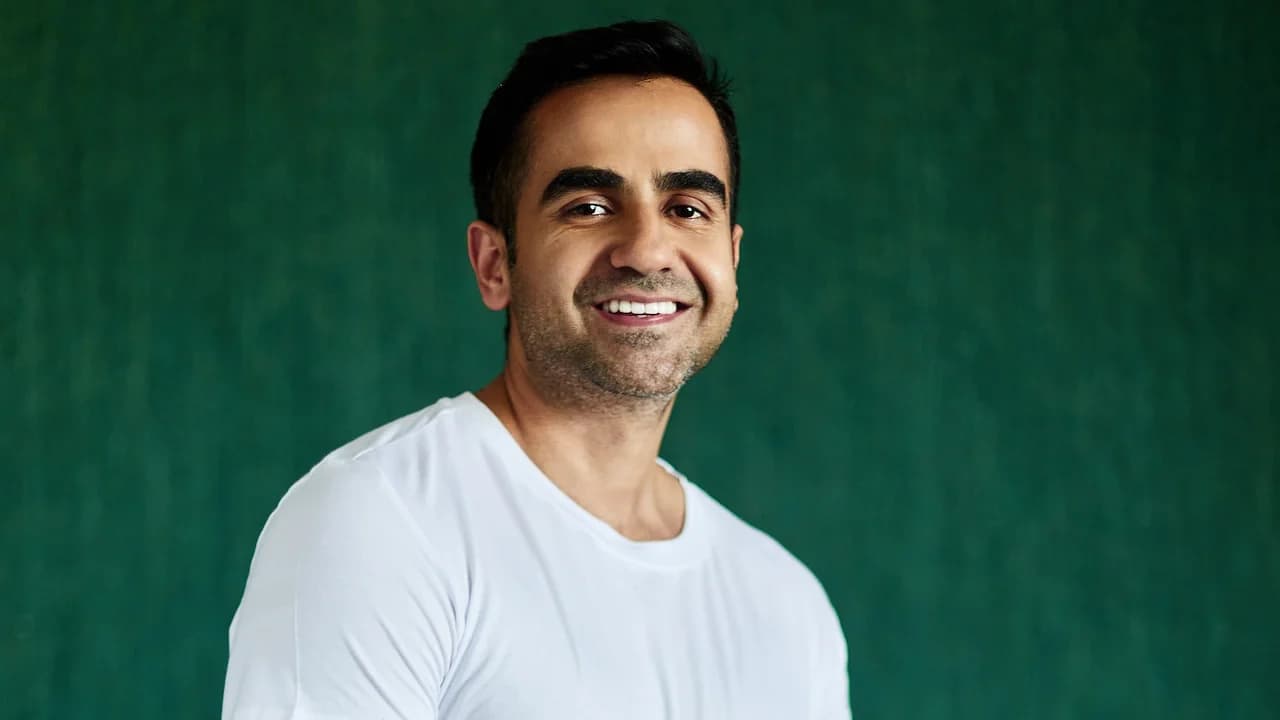
Zerodha co-founder Nikhil Kamath has endorsed a warning about upcoming funding challenges, responding with a '100' emoji to a post urging startups to raise capital immediately. According to reports from The Economic Times, the post shared on X by user Aravind on Thursday night advised founders to move quickly, stating "If you are a startup or a company looking to raise capital. Raise soon. This is probably the best time to do so. And get a lot of cash to keep you comfortable for a year or two. Be diligent in spending. The cash too can be invested into some liquid assets. Next year could be bad." The warning emphasized the importance of raising enough cash to stay comfortable for 'a year or two' while being diligent in spending and parking the money in liquid assets. The post has since crossed 200,000 views and attracted more than 6,000 likes, triggering a wider conversation about startup funding, valuations, and investor appetite.
India's startup funding landscape shows an interesting split between deal volumes and total funding amounts. As reported by The Economic Times, citing Tracxn data, Indian startups recorded 1,134 funding rounds in the first nine months of 2026, compared with 1,838 during the same period in 2025. However, funding during the January to September period rose to $10.3 billion from $9.7 billion a year earlier, indicating that while deal volumes have declined, the overall amount of capital raised has increased. Major funding rounds during this period included CRED raising $540 million, Rapido and Sarvam raising $240 million and $234 million respectively, KreditBee raising $220 million, and Udaan and Emergent securing $160 million and $130 million respectively. The data suggests that capital is still entering the ecosystem, but it is increasingly concentrated in larger deals and companies that investors are willing to back at scale.
India's startup ecosystem continues to face valuation pressures as the market shifts focus toward profitability and sustainable business models. According to The Economic Times citing Tracxn data, at least 10 Indian startups have been devalued since 2024 and subsequently lost their unicorn status. This represents a significant change from the peak of the 2021 funding cycle when companies could command enormous valuations based on rapid growth and strong investor enthusiasm. The current environment emphasizes profitability, cash generation, sustainable growth, and business fundamentals over rapid expansion. Additionally, Accel has announced a $550 million India fund that is expected to start deploying capital from 2027, with a significant focus on AI-related businesses, which could mean more money flowing toward AI startups while other sectors face greater scrutiny.
Kamath, who also co-founded investment firm True Beacon and serves as Zerodha's chief investment officer, has previously commented on the ease of startup fundraising and the importance of sustainable business practices. At the India Global Forum in December 2023, he noted that 'fintech is having a bad moment' in India, adding that access to capital had become significantly harder than two years earlier. He attributed this partly to investors overestimating how quickly users would adopt fintech products, though he remained optimistic about the sector's long-term prospects. In a 2025 World Economic Forum interview, he emphasized the importance of founders remaining bootstrapped where possible, building profitably, and avoiding becoming overly reliant on large funding rounds. Through his WTFund, he continues to support young founders with non-dilutive funding, mentorship, and resources.
The advice reflects a long-held rule among investors that founders should raise capital when it's available rather than when they need it. As reported by The Economic Times, a company with 18 to 24 months of runway has more time to build its product, grow revenue, and reach important milestones without immediately returning to investors for another round. Tighter funding conditions often force companies to implement layoffs, accept lower valuations, or pursue distressed sales, making proactive fundraising a crucial strategy for startup survival. The current market environment suggests that fundraising could become hostile before the end of the following year, making cash management, fundraising timing, valuation, and business fundamentals particularly important for startup founders navigating the evolving funding landscape.