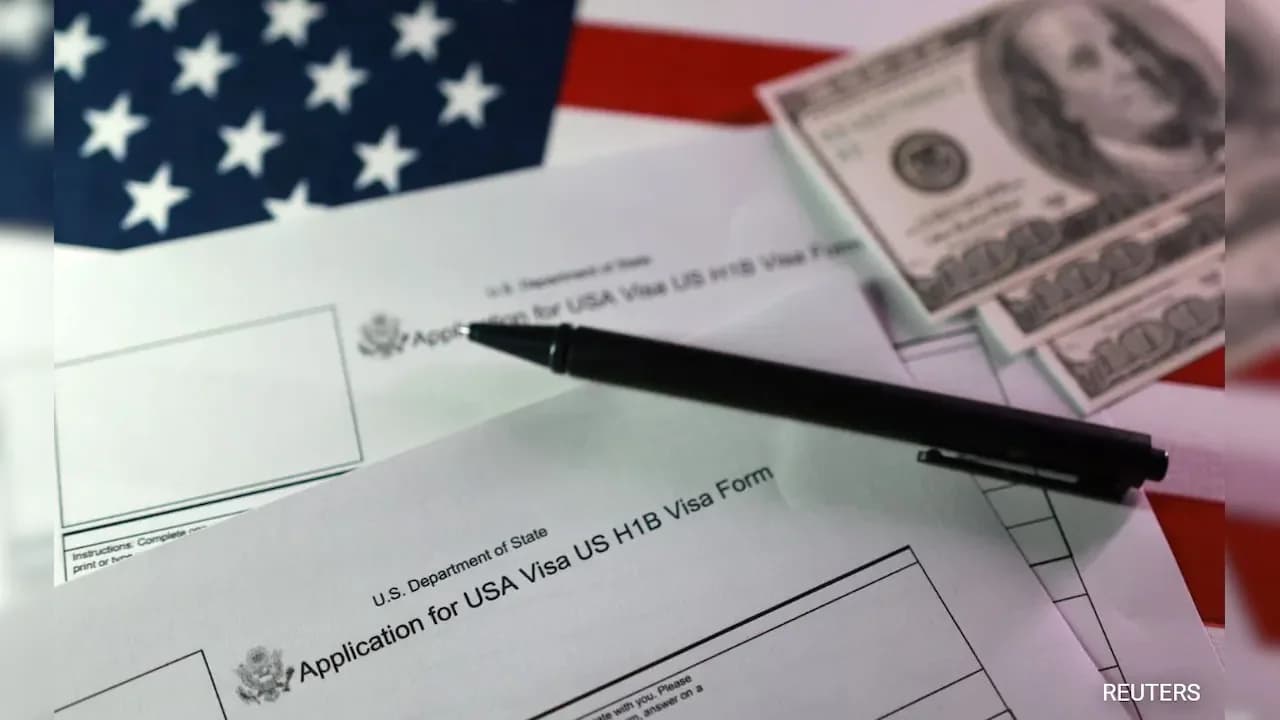
Kunal Bahl's entrepreneurial journey began when his H-1B visa application was rejected in 2007, forcing him to reconsider his career plans after graduating from the University of Pennsylvania in 2006. According to reports from Business Insider, Microsoft, where he was working full-time after an internship, offered him a role in India. Bahl decided to return to India and work for himself rather than for Microsoft, marking a pivotal moment in his career trajectory.
In September 2007, Bahl and his high school friend Rohit Bansal launched their company before Bahl even landed in India. As reported by Business Insider, Bahl described the startup environment in India at that time as challenging, noting that the country had very few internet users, smartphones, and digital payments. The duo initially focused on a physical coupon book business but struggled to secure funding. They decided to invest their own ₹4.8 crore ($60,000) as seed capital into the firm.
The founders faced significant operational challenges while building their business. According to Bahl's interview with Business Insider, they stayed with their families for food and accommodation and worked out of a small office in the basement of a residential building in Delhi's furniture market. The duo worked 20 hours a day to get their business off the ground, with neighbors complaining about late-night activity due to their intense work schedule.
Their initial coupon book business eventually evolved into Snapdeal, with the founders creating two publicly listed companies from the original venture. As reported by Business Insider, Bahl explained that they wanted to give back to the startup ecosystem in India, leading to the launch of Titan Capital in 2011. Over the past 15 years, Titan Capital has invested in more than 320 startups, according to Bahl's statements.
Bahl continues to support the Indian startup ecosystem beyond his investment activities. According to Business Insider, he serves as a judge on the popular television show Shark Tank India, demonstrating his ongoing commitment to supporting entrepreneurial ventures in the country. His journey from a rejected H-1B visa to founding successful companies and supporting the startup ecosystem represents a significant transformation in India's entrepreneurial landscape.