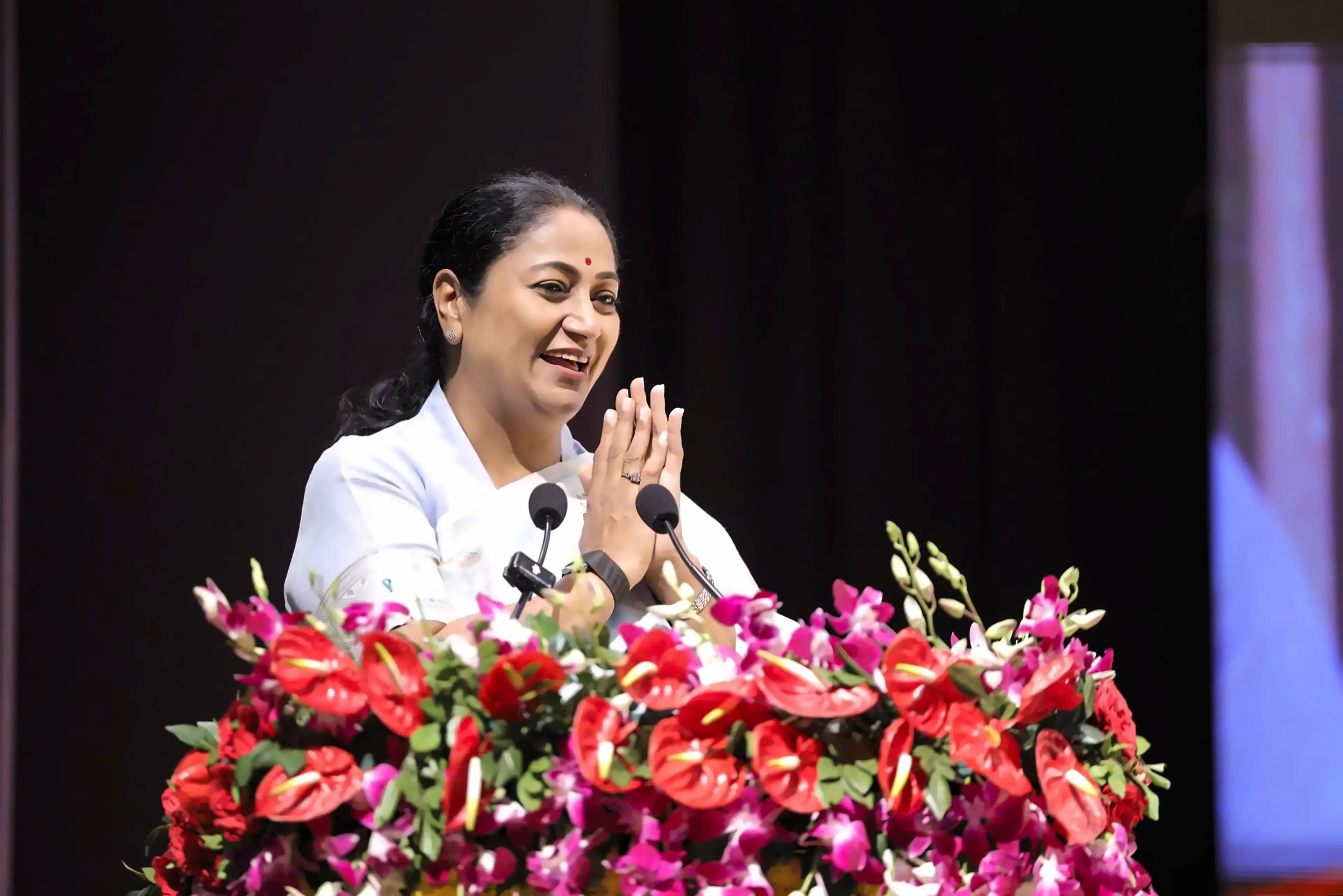
The Delhi Cabinet has approved the Delhi Start-up and Incubation Policy, setting aside ₹400 crore over the next five years to establish incubation centres across state-run educational institutions and provide comprehensive support to early-stage startups. According to the Chief Minister's Office (CMO), the policy was approved on 16 July 2026 and represents a strategic framework aimed at supporting at least 5,000 start-ups by 2035. The policy builds upon the draft Delhi Startup Policy, 2025 released last year, which was designed to make the Capital a global innovation hub. Chief Minister Rekha Gupta emphasized that the initiative aims to transform Delhi's youth from job seekers into job creators, stating that the government wants to ensure students, researchers, teachers, alumni and aspiring entrepreneurs with promising ideas have access to resources, mentorship and financial assistance.
As reported by the CMO, the incubation centres will offer startups access to infrastructure, expert mentorship, business advisory services, intellectual property support, laboratories, testing facilities, and industry and investor networks. Eligible institutions will receive one-time financial assistance to set up or strengthen incubation centres, while incubation centres under the programme will receive annual operational support for mentoring, networking events, and innovation activities. Startups incubated under the programme will also receive milestone-based financial assistance for prototype development, proof of concept, product development, market validation and commercialisation. The policy ensures that those whose ideas are selected will receive financial assistance, with the government providing seed funding to start-ups and establishing incubation centres in association with participating institutions.

According to the CMO, to oversee the policy's implementation, the government will establish a State Incubation Policy Monitoring Committee (SIPMC) which will include representatives from the government, educational institutions, industry, and the start-up ecosystem. The committee will ensure transparent governance and proper oversight of the policy's execution, with the CMO stating that the committee will oversee implementation, ensure transparent governance and provide performance-based financial support. Delhi will also hold an annual Delhi Start-up Youth Festival to bring together young innovators, educational institutions, start-ups, investors, industry representatives, and policymakers on a common platform. This initiative aims to showcase ideas, build partnerships and encourage entrepreneurship, serving as a key platform for networking and collaboration between all stakeholders.
The policy will cover 11 state universities, 13 government-funded colleges, polytechnic institutes and Industrial Training Institutes (ITIs). As reported by the CMO, students of government schools will also be eligible for its benefits through these institutions, creating a comprehensive pathway from school to higher education and then to entrepreneurship. The policy will be rolled out in phases, with the government ensuring that students, researchers, teachers, alumni and aspiring entrepreneurs with promising ideas have access to resources needed to convert innovative ideas into viable businesses. The initiative represents a comprehensive approach to fostering entrepreneurial ecosystem development across Delhi's educational infrastructure.
The policy is expected to strengthen research-driven innovation, enhance industry-academia collaboration, generate employment and support Delhi's knowledge-based economy. The CMO stated that the policy aims to enable the youth to become job creators rather than job seekers, with the government emphasizing that the initiative will help Delhi establish itself as one of the country's leading centres for innovation and entrepreneurship. Chief Minister Gupta contrasted the new policy with previous initiatives, noting that the previous AAP government's scheme started in 2021 and ended in 2022 with just ₹22 crore budget compared to the current ₹400 crore provision. This ambitious target reflects the government's commitment to making Delhi a hub for entrepreneurship and innovation in the coming years, with the policy strengthening Delhi's culture of innovation, creating new employment opportunities, and encouraging research-driven innovation across all participating institutions.