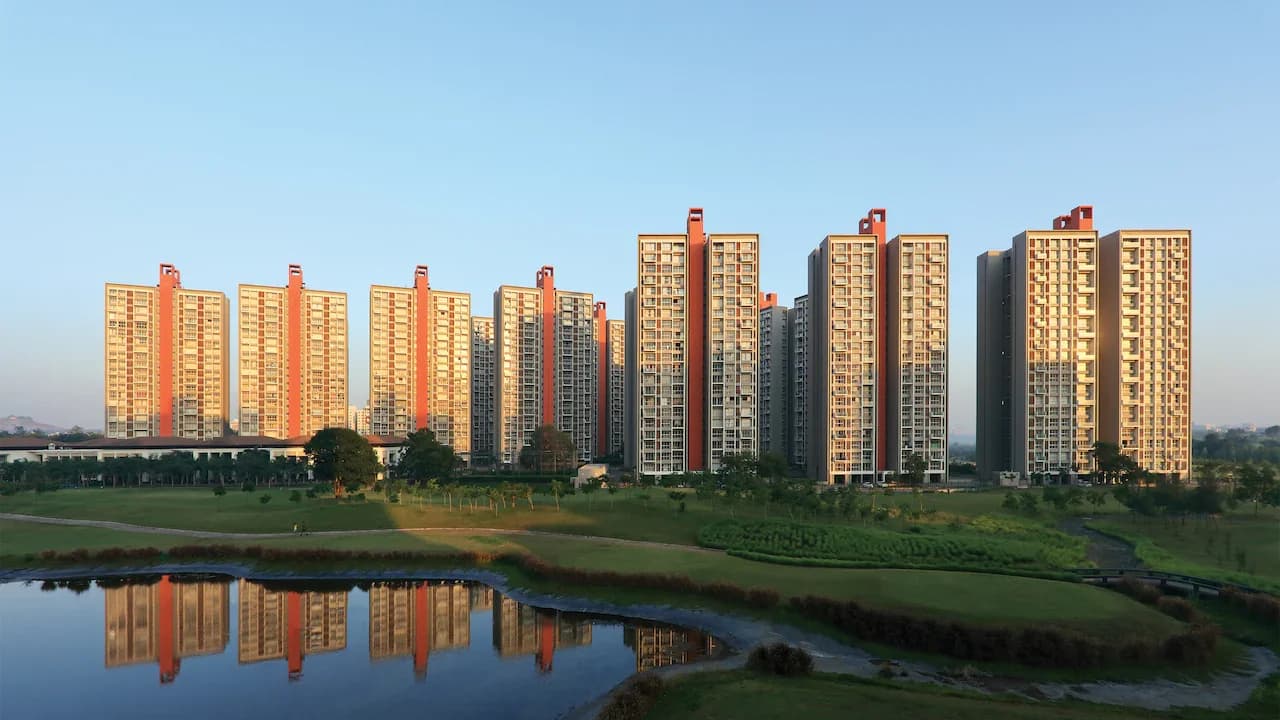
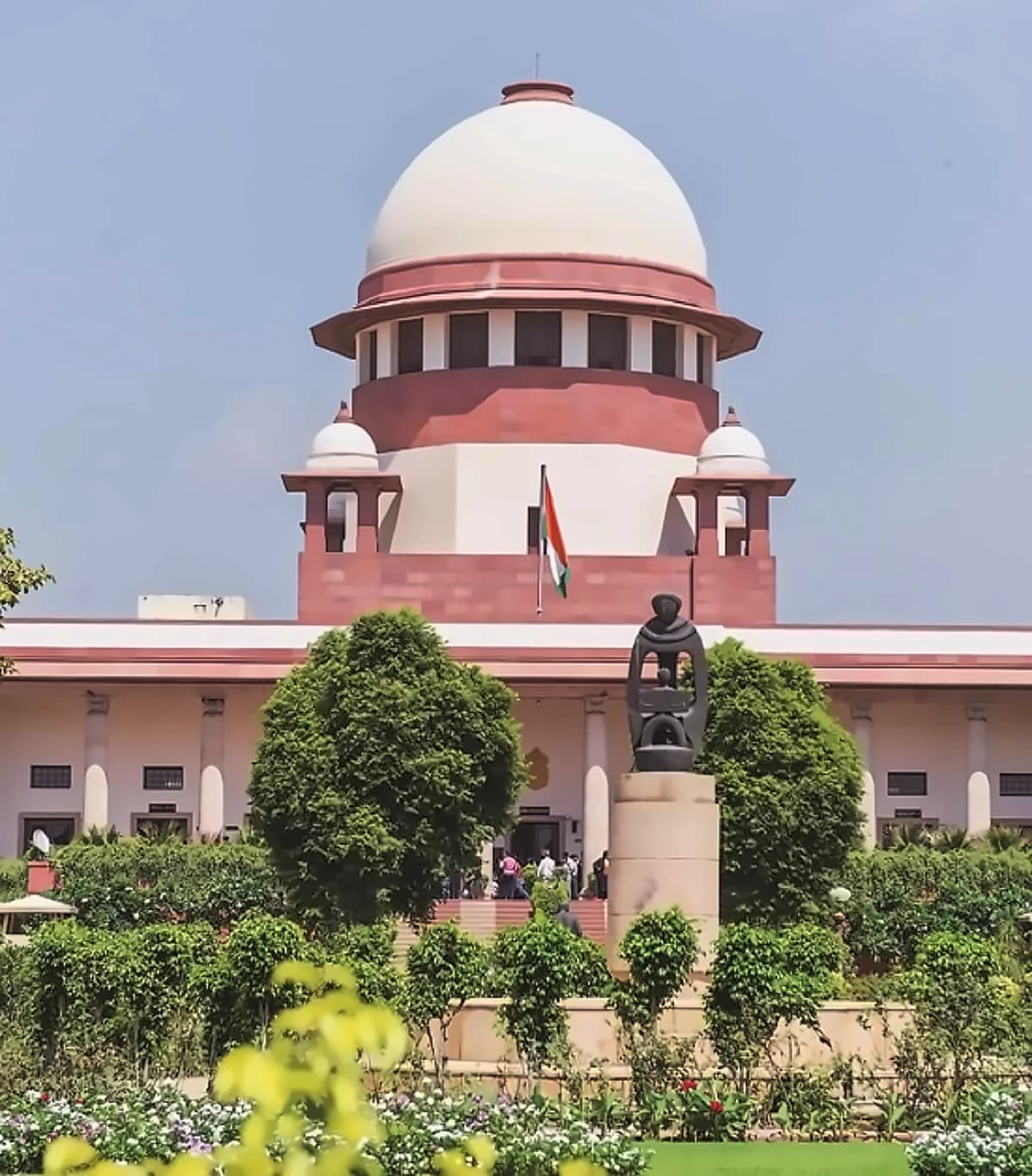
The Supreme Court issued a significant ruling on November 19, 2026, establishing new protections for homebuyers in stalled housing projects. According to reports from Mint, the court directed that courts must examine the builder-lender relationship and loan disbursement practices before directing homebuyers to repay loans in stalled projects. The ruling came in Ravi Kumar Jangra and Another v. Union of India and Others, Writ Petition (Civil) No. 1415/2026, where the petitioners had purchased flats in the Krishna Housing Scheme at Sector 14, Sohna, Gurugram, developed by Raheja Developers. Chief Justice Surya Kant and Justices Joymalya Bagchi and V. Mohana directed a commercial court in Delhi to first determine whether State Bank of India (SBI) had disbursed housing loan amounts to the developer in accordance with the tripartite agreement signed with homebuyers. "In our considered opinion, it is the bounden duty of the competent Court to first determine the nexus between the builder and the Bank authorities and examine whether the Bank disbursed the loan amount to the builder strictly in terms of the Tripartite Agreement," the bench stated.
Construction-linked home loans operate through a tripartite agreement between banks, developers, and homebuyers, with loan disbursements linked to specific construction milestones. As reported by Mint, in the present case, the bank appeared to have released money to the developer without corresponding progress in construction, which was contrary to the agreed structure of the arrangement. Raheja Developers was subsequently admitted into the Corporate Insolvency Resolution Process (CIRP) by the National Company Law Tribunal (NCLT) on 21 August 2025, while SBI initiated recovery suits against the buyers before the Commercial Court at Saket, New Delhi. During the insolvency proceedings, the developer proposed to refund the amounts deposited by homebuyers in six monthly instalments, but the homebuyers approached the Supreme Court seeking protection against recovery proceedings, arguing that they had neither received possession of their flats nor the refunds proposed during insolvency proceedings.

Legal experts emphasize that banks cannot ignore their responsibilities under construction-linked loan agreements. According to Rahul Hingmire, co-founder and managing partner at Vis Legis Law Practice, if a bank releases 80% of the loan when construction has reached only 30%, the buyer has every reason to question such disbursement. As reported by Shaurya Mitra Tomar, senior partner at Chugh Universal Legal, a premature release does not by itself establish a fraudulent bank-bank nexus, requiring independent supporting evidence for allegations of collusion. Rajiv Sharma, partner at Singhania & Co., explained that the court's intervention is a safeguard rather than a waiver of repayment obligations, noting that "the insolvency moratorium applicable to a builder does not automatically protect a homebuyer's individual loan from recovery proceedings."
The Supreme Court's order provides interim protection against coercive recovery measures but does not completely waive housing loan repayment obligations. According to Raheel Patel, partner at Gandhi Law Associates, homebuyers cannot treat the order as permission to stop paying EMIs in every stalled housing project, as their liability depends on contract terms and court findings. Vivek Joshi, senior associate at PSL Advocates & Solicitors, noted that the order reinforces contractual accountability by requiring the conduct and obligations of lenders and developers to be examined before coercive recovery is pursued. Madhura Samant, founder of Elarra Law Offices, highlighted that the ruling also emphasizes the need for prudent lending practices and monitoring of construction milestones. Buyers facing recovery proceedings should examine loan-related obligations, collect disbursement records, respond to recovery notices promptly, and file insolvency claims within stipulated deadlines.
In a related development, the Supreme Court exercised its extraordinary power under Article 142 of the Constitution to uphold the December 12, 2024 order of the NCLAT, directing the NBCC to take over Supertech projects in the interest of homebuyers. The bench noted that Supertech had booked around 51,000 houses for delivery during 2010-12, with around 27,000 homebuyers awaiting house delivery in these projects. The NCLAT had directed the NBCC to complete 16 projects comprising 49,748 homes across Uttar Pradesh, Uttarakhand, Haryana and Karnataka, with construction work starting from May 1, 2025.