Mumbai municipal authorities are considering introducing a sewage tax on homes under 500 square feet to recover lost revenues. According to reports, this move aims to undo the previous Maha Vikas Aghadi (MVA) government's decision to abolish property tax for such homes. The proposed tax would affect over 50,000 homes currently outside the tax net, as water and sewage tax is part of property tax. Urban governance expert Rishi Aggarwal from Mumbai Sustainability Centre emphasizes the importance of pricing water resources effectively, stating that water is a basic need requiring usage fees based on equity, financial feasibility and environmental economics.
The affordable housing segment has experienced a dramatic decline, with homes priced below ₹1.5 crore dropping from 57% in 2021 to 34% in 2025. According to Anarock data, affordable housing supply has shrunk from 31% in 2021 to 14% in 2025, and stood at 18% in H1 2026. The number of homes under 500 square feet in Mumbai is declining steadily, with affordable housing (priced below ₹40 lakh) now representing just 6% of total launches in Q2 2026. As reported by Anarock, average capital values rose by around 61% between 2021 and H1 2026, making the city increasingly unaffordable for smaller homes.
Large-scale redevelopment projects are transforming Mumbai's housing landscape, with 1,200 active redevelopment projects currently underway according to NAREDCO and JLL reports. Redevelopments now account for 13% of overall launches and 15% of sales between 2025 and H1 2026, representing a significant increase from the 6% share recorded over 2016-2021. Most redevelopment projects in South Mumbai, South Central Mumbai, and North Mumbai feature 2BHKs, 3BHKs and 4BHKs with unit sizes ranging from 700-1,400 square feet, while some Eastern and Western suburbs offer 1BHKs with average sizes around 400-600 square feet. These projects are driving the city's shift toward premium and ultra-premium homes.
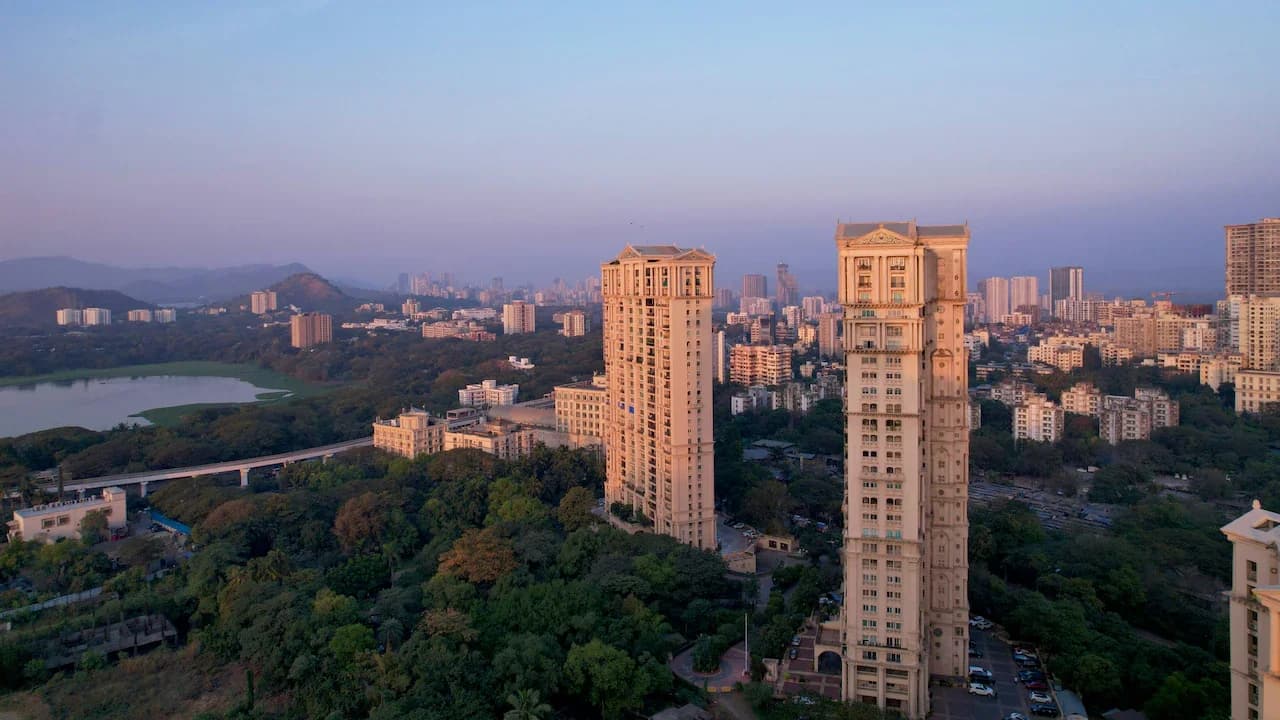
While smaller homes face challenges, luxury properties are experiencing unprecedented growth. According to Sotheby's and CRE Matrix reports, luxury homes priced over ₹10 crore saw record-breaking sales of ₹18,512 crore in the first half of 2026. The sweet spot for such properties is 2,000-4,000 square feet, which sees maximum demand. However, experts note that Mumbai's ultra-rich typically purchase luxury homes for personal use rather than investment, making taxation less effective compared to cities like New York and London where second homes are more common among the wealthy.
The proposed sewage tax faces implementation challenges due to infrastructure gaps, particularly the absence of water meters in many older buildings. Urban planner Gautam Kirtane highlights that most places in the island city do not have water meters, with buildings typically having meters at the society level rather than individual homes. Experts suggest that survey-based taxation methods may not be optimal, recommending that infrastructure development should precede tax collection. The city's position as the richest municipality in the country, with BMC spending on infrastructure projects including coastal roads and sewage treatment plants, adds complexity to taxation discussions.