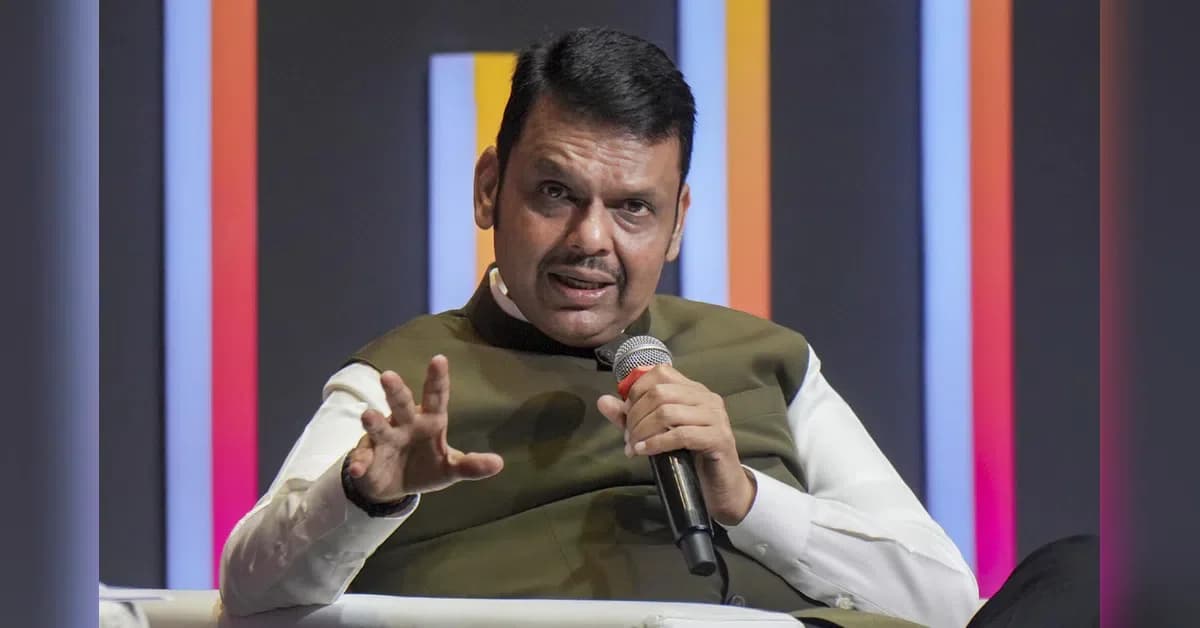
Over 500 representatives from apartment owners attended an interaction with Karnataka's Chief Minister D.K. Shivakumar and Bengaluru Development Minister Krishna Byre Gowda in Bengaluru on July 15, 2026. The event was a public consultation on the draft Karnataka Apartment Ownership & Management Act (KAOMA) 2025, chaired by the Chief Minister, at Professor U. R. Rao Bhavan, Jawaharlal Nehru Planetarium, Sankey Road. According to Bangalore Apartments' Federation (BAF), the turnout was a clear reflection of how keenly apartment communities await a modern legal framework for apartment ownership and management in Karnataka. Chief Minister D.K. Shivakumar assured apartment owners that his government stood firmly with residents in resolving long-pending property and civic issues, stating that the proposed Karnataka Apartment (Ownership and Management) Act, 2026 has been drafted to protect the interests of homebuyers and ensure complete ownership rights. The government invited further feedback on the draft Bill until August 5, 2026, which may be sent by email to kaomablr@gmail.com, with all feedback to be duly deliberated upon and improvements incorporated to the extent possible.
The Karnataka government has unveiled a draft law proposing mandatory structural stability certification for apartment buildings once they complete 30 years, followed by inspections every five years thereafter. As reported by The Economic Times, the Karnataka Apartment (Ownership and Management) Bill, 2026 was released by Chief Minister D.K. Shivakumar and Bengaluru Development Minister Krishna Byre Gowda, seeking to replace the existing legal framework governing apartment ownership and management. The proposed legislation mandates forming an association of allottees within three months of more than half the apartments in a project being booked, addressing long-pending issues such as calculation of undivided share and residents' rights. The draft legislation also provides for a structured dispute resolution mechanism with a two-tier appellate system to streamline resolution of civic and property-related issues. According to the latest interaction, the Chief Minister emphasized that the government is committed to addressing challenges faced by apartment owners through dialogue and consultation rather than litigation, stating "The voice of the people must become the voice of the government. We want to resolve issues through dialogue. Let us all work together as 'Team Karnataka'".
The reform comes as apartment living has become the dominant form of urban housing, particularly in Bengaluru. As reported by PTI, the city houses more than 25,000 apartment buildings comprising an estimated 25 lakh to 30 lakh flats. The growth trajectory is evident in recent registration data, with around 60,000 to 75,000 flats registered with the KRERA in Bengaluru Urban and nearby areas during the past year. This rapid expansion has highlighted the need for updated legal frameworks to govern this expanding sector, with the state government noting that tens of thousands of new homes are being added every year in the context of Bengaluru's apartment boom. Emphasizing the government's priority, Chief Minister D.K. Shivakumar said the government's priority is to ensure that people, who invest their life savings in purchasing homes, enjoy hassle-free ownership and property rights, with the new law being framed solely for the benefit of property buyers.
The proposed legislation introduces significant changes to ownership structures and management responsibilities. According to The New Indian Express, the Bill will apply to apartment projects with more than eight units, including villas within approved layouts, but exempts government buildings, single-owner properties not divided for separate ownership, and plotted or villa developments where land is individually conveyed. Under the new framework, apartment owners will legally own the project land and common areas, while apartment associations will be responsible only for management, maintenance and administration of the property. The legislation formally recognizes an apartment as heritable and transferable immovable property, allowing owners to sell, mortgage, lease, gift, or bequeath their apartments, with subdividing the land share requiring competent authority approval. The Bill also introduces a standard 'super built-up area' formula that includes carpet area, external walls/balconies, capped share of terraces or open spaces (up to one-third), and proportionate share of built-up common areas. The proposed legislation will replace the Karnataka Apartment Ownership Act, 1972 and the Karnataka Ownership Flats (Regulation of the Promotion of Construction, Sale, Management and Transfer) Act, 1972, with regulatory oversight placed under the Urban Development Department through a designated competent authority.

The legislation introduces enhanced safety measures for aging buildings and streamlined redevelopment processes. As reported by The New Indian Express, apartment buildings that are more than 30 years old will be required to obtain a structural stability assessment by a certified engineer every five years. Additionally, the Bill creates a legal framework for redevelopment of aging or structurally unsafe buildings, requiring consent of at least 75% of apartment owners and providing compensation of at least twice the market value for owners who do not consent. For older complexes where common-area land was never formally transferred, the bill introduces 'deemed conveyance,' automatically vesting it in the owners. These provisions aim to balance majority interests while protecting financial rights of non-participating owners, with the government stating that the legislation aims to strengthen financial transparency, improve accountability of developers and associations, protect ownership rights and provide a clearer legal framework for managing and redeveloping apartment communities. The measures are specifically designed to create a clearer legal process for redeveloping aging residential complexes while balancing the interests of consenting and non-consenting owners.
Chief Minister D.K. Shivakumar highlighted significant governance reforms during the interaction, including the 'e-Khata revolution' that has issued nearly 26 lakh e-khatas (Bengaluru has around 40 lakh properties), making it one of the largest such initiatives in the country. The Chief Minister acknowledged concerns over delays in property document transfers by some developers and assured residents that the government would engage with builders to ensure smooth transfer processes. He also announced plans to make rainwater harvesting mandatory in apartment complexes as part of sustainable urban development initiatives. Additionally, Shivakumar announced that the government was addressing Bengaluru's infrastructure needs through projects including the Cauvery Phase V water supply scheme, groundwater recharge initiatives, underground drainage upgrades and the 132-km Bengaluru Business Corridor, also known as the Peripheral Ring Road. The Chief Minister anticipated the decentralisation of governance through five new city corporations would help improve civic administration and speed up resolution of local issues in rapidly-growing areas, including Electronic City and the airport region, reaffirming the government's commitment to making Bengaluru a global city with international investors viewing the city as a preferred destination. According to ANI, Shivakumar said the government plans to introduce the Bill during the Karnataka Assembly session beginning on August 6, 2026, with consultations to be held with political party leaders and Members of the Legislative Assembly before tabling.