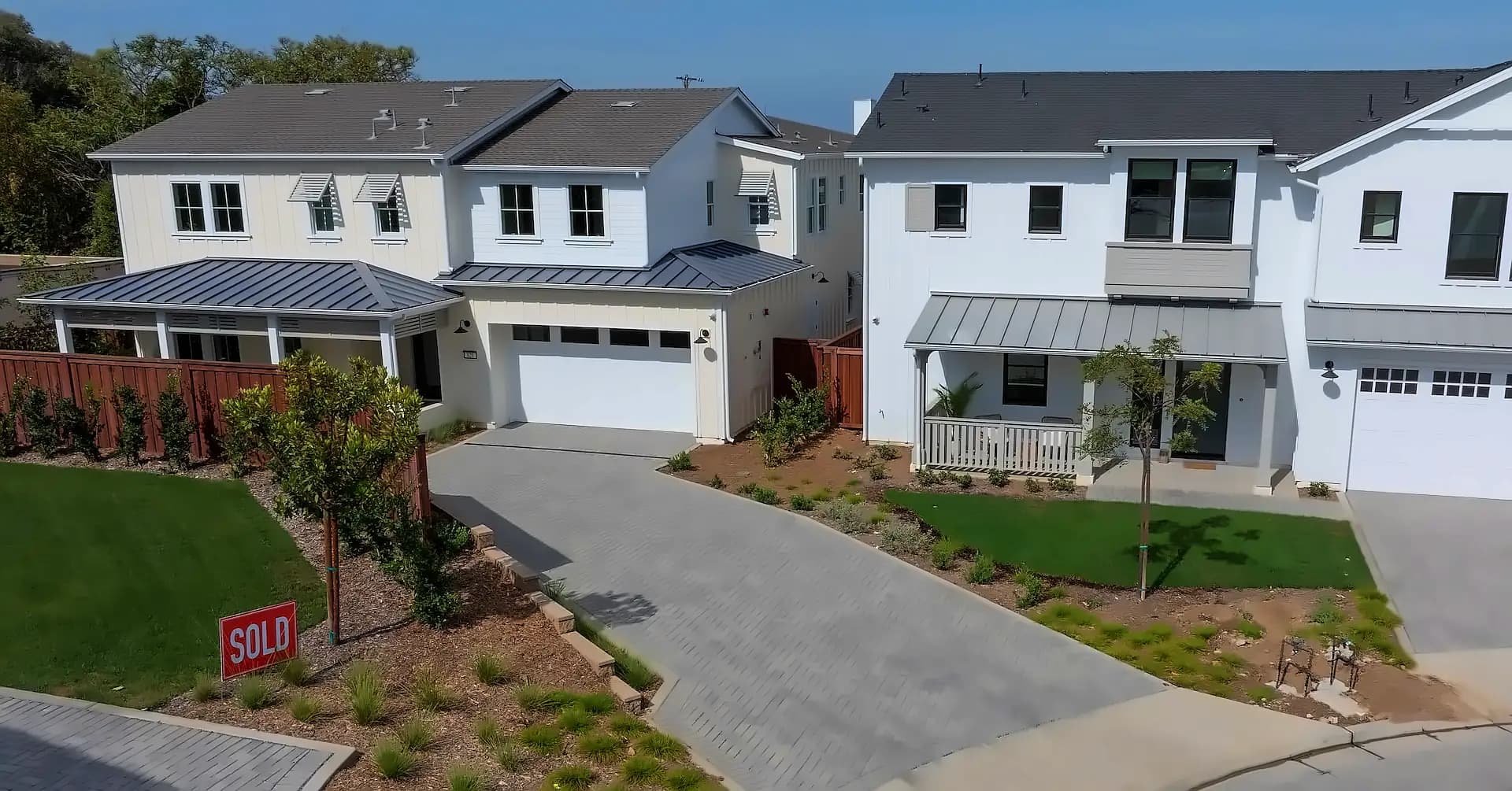
US housing markets continue to face significant headwinds as 30-year fixed mortgage rates reached 6.77% in the week ended August 7, remaining near their highest level in more than a year. According to Reuters, while rates declined for the first time since mid-June, they continue to weigh heavily on housing demand and affordability. The elevated borrowing costs are translating into reduced buyer activity, with US single-family homebuilding dropping 9.9% in July to an annualized rate of 808,000 units. Single-family construction fell even more sharply on an annual basis, declining 15.7% from July 2025, highlighting the continuing strain on the housing market as builders remain cautious about starting additional projects. As reported by The Economic Times, the residential real estate market remains in a deep rut, with high mortgage interest rates and limited supply of homes on the market hurting affordability and sales rates.
US housing investors are displaying unprecedented caution about portfolio expansion, with 32% of surveyed investors indicating they do not plan to make any property purchases in 2026. According to the latest RCN Capital/CJ Patrick Company Investor Sentiment Index, this represents a significant shift as financing costs remain elevated and market expenses continue to rise across the housing sector. The quarterly index, which surveys more than 300 investors involved in fix-and-flip and rental businesses, has fallen to an all-time low at the end of June, reflecting deteriorating sentiment among single-family housing market participants. As reported by CNBC, 45% of investors now say conditions have worsened, representing the highest proportion recorded since the survey began in 2023, with only 26% of respondents stating that market conditions are better than a year earlier.
The housing market weakness was partly offset by some positive permit data, with single-family permits rising 2.5% month-on-month to an annualized rate of 894,000 units in July. According to The Economic Times, permits were also 1.1% higher than a year earlier, indicating future construction activity despite current market challenges. However, overall residential building permits increased only 5% to 1.443 million units, falling short of economists' expectations of 1.37 million units. Across the broader residential market, total housing starts, including apartments and multifamily structures, fell 12.4% to 1.239 million units, below the expected 1.35 million-unit rate. The mixed signals suggest that while builders are planning future projects, current market conditions are constraining immediate construction activity.
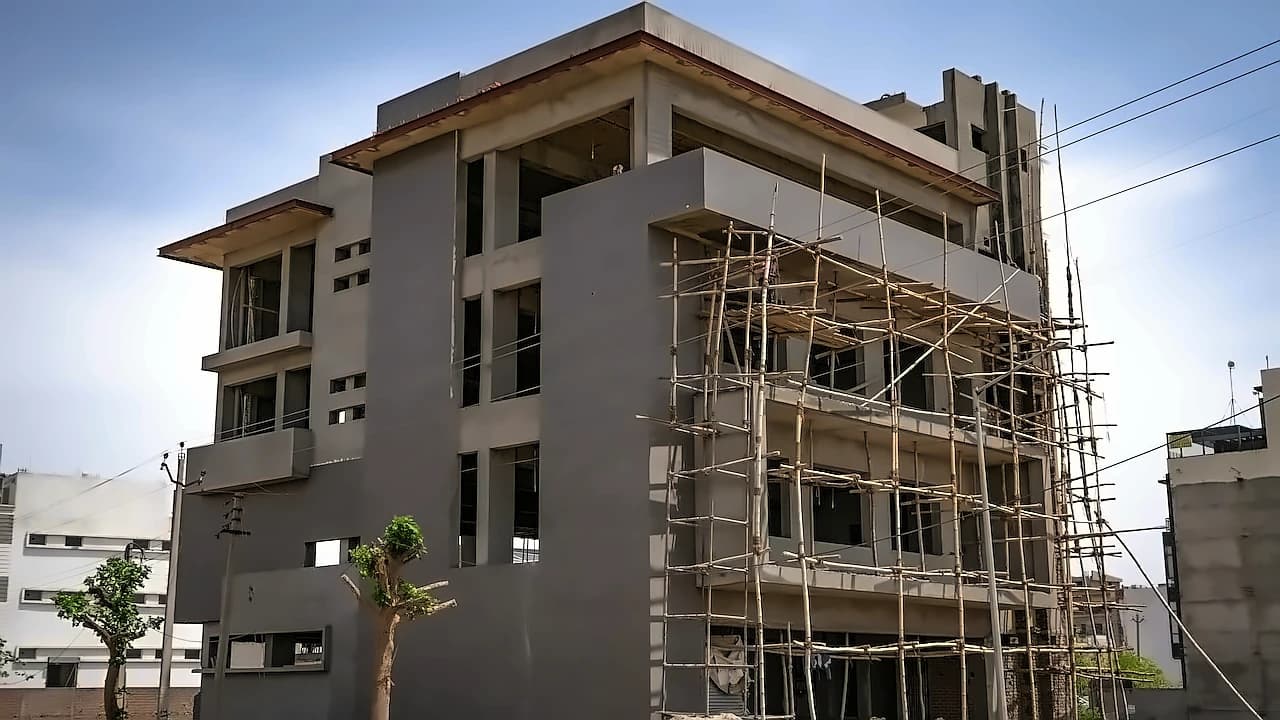
Financing challenges continue to dominate investor concerns, with more than half of investors identifying high financing costs as one of the biggest problems facing the market. According to the survey, around three-quarters of investors do not expect meaningful relief in borrowing costs anytime soon, while some anticipate rates could move higher. The housing sector is also facing higher construction and transportation costs due to recent economic uncertainty and the US-led war with Iran, which have added further pressure through elevated fuel and material costs. Mortgage rates, which had reached a recent low in late February, climbed sharply after the outbreak of the Iran war and are now at their highest level in more than a year. Investors are also contending with limited housing inventory, higher acquisition and renovation costs, rising insurance expenses, and pressure on rental rates.
Despite the cautious purchase intentions and weak construction activity, investor confidence in property price appreciation remains relatively strong. As reported by the survey, more than 60% of respondents expect home prices to rise over the next six months, up from just under 52% previously. This optimistic outlook for price appreciation contrasts with the pessimistic sentiment regarding market conditions and purchase activity, suggesting that investors may be positioning themselves for potential future gains while remaining cautious about current market entry points. Higher prices can raise investors' acquisition costs while increasing the potential value of properties they already own, providing some offset to the current market challenges and the ongoing pressure from elevated mortgage rates.