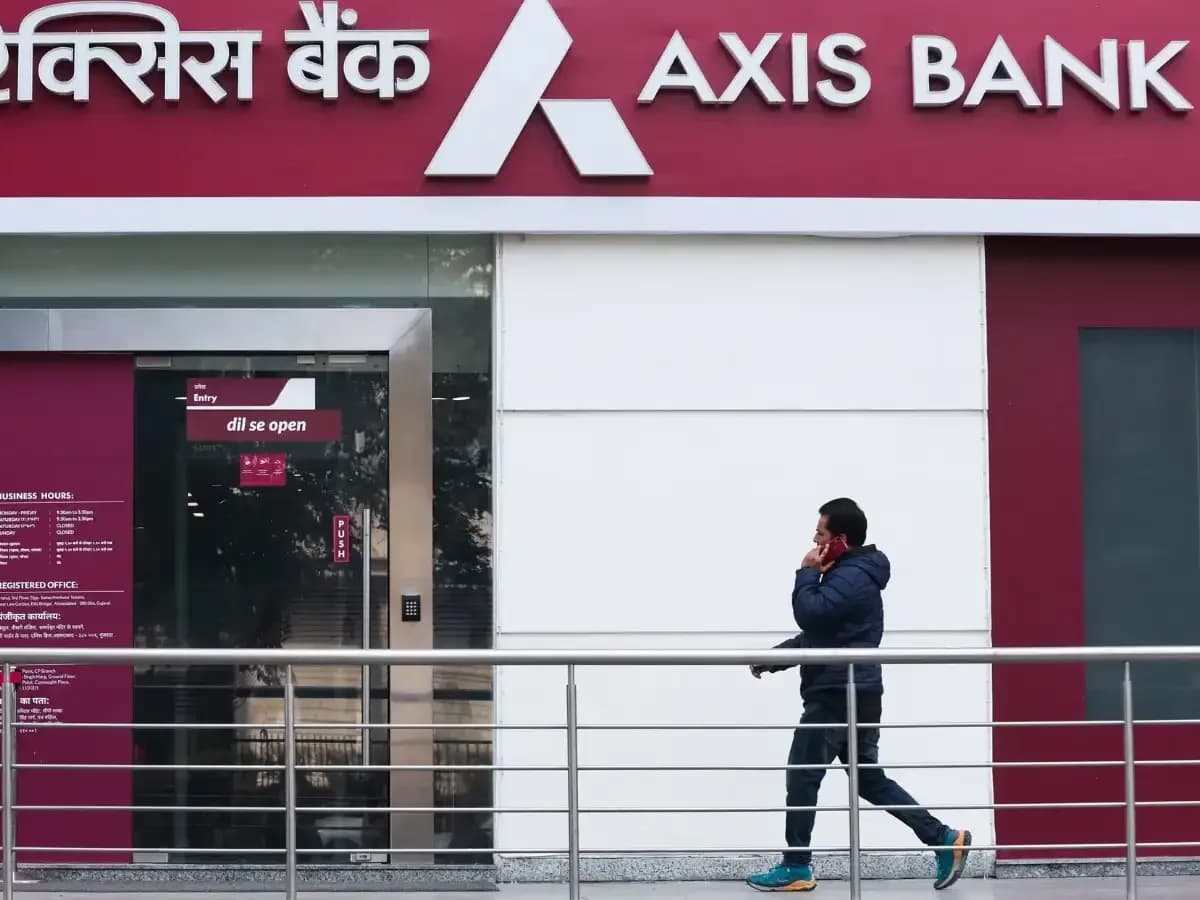
Several major insurers have introduced student-focused term insurance plans, with Axis Max Life Insurance, ICICI Prudential Life Insurance, HDFC Life, and Tata AIA Life Insurance offering specialized products. According to reports from Mint, these include Smart Term Plan Plus, iProtect Smart Plus, Click 2 Protect Supreme Plus, and Sampoorna Raksha Promise respectively. Bandhan Life also provides term insurance to eligible students, though it requires a graduate degree as minimum eligibility, while other insurers may cover undergraduates as well. As reported by Policybazaar, approximately 1,000 students have purchased term insurance in the last three to four months through their platform.

Insurers have developed alternative underwriting methods for students due to their limited income profiles. According to Vaibhav Kumar, head of products at Axis Max Life Insurance, financial underwriting is not required for students studying in top colleges in India and abroad. For students not attending these institutions, insurers use parents' income as an underwriting mechanism. The coverage amounts typically range from ₹25-50 lakh based on educational credentials and academic records. Medical underwriting is largely digital, with video-based assessments replacing physical examinations for reasonable sum assured amounts, as reported by Mint.
Premiums for young policyholders can be relatively low due to age being an important factor in determining term insurance costs. For example, premiums for a ₹50 lakh cover over a 40-year policy term range from ₹387 to ₹479 per month for a 20-year-old, while for a 25-year-old, monthly premiums range from ₹523 to ₹609. Among the available plans, HDFC Life's Click 2 Protect Supreme Plus offers the lowest monthly premium at ₹387 for a 20-year-old and ₹535 for a 25-year-old. ICICI Prudential Life's iProtect Smart Plus costs ₹477 and ₹583 respectively, while Axis Max Life's Smart Term Plan Plus is priced at ₹479 and ₹609. TATA AIA's Sampoorna Raksha Promise costs ₹453 for a 20-year-old and ₹523 for a 25-year-old. These premiums are indicative and can vary depending on factors such as underwriting, policy terms, and the applicant's profile.
The primary advantage of early purchase is significant cost savings, with premiums 20-30% lower than policies purchased after age 26-27. As reported by Policybazaar, this translates to approximately 20% savings on total premiums over lifetime. The coverage includes standard death benefits, personal accidental cover, payout on terminal illness, premium waiver, and wellness benefits such as annual health check-ups and doctor consultations. However, students who remain unemployed for extended periods may not qualify for insurance coverage.
A student may consider term insurance if they have taken a substantial education loan and the family could face difficulty repaying it in the event of the student's death. The case for buying a policy is stronger if the student already has financial dependants or other significant liabilities. On the other hand, term insurance may be less relevant for a student who has no substantial financial obligations and does not have anyone financially dependent on them. While buying term insurance at a young age can lock in relatively low premiums, affordability alone should not determine the decision. Students and parents should first assess whether there is an actual financial liability that needs protection, rather than simply on the availability of low-cost term insurance.