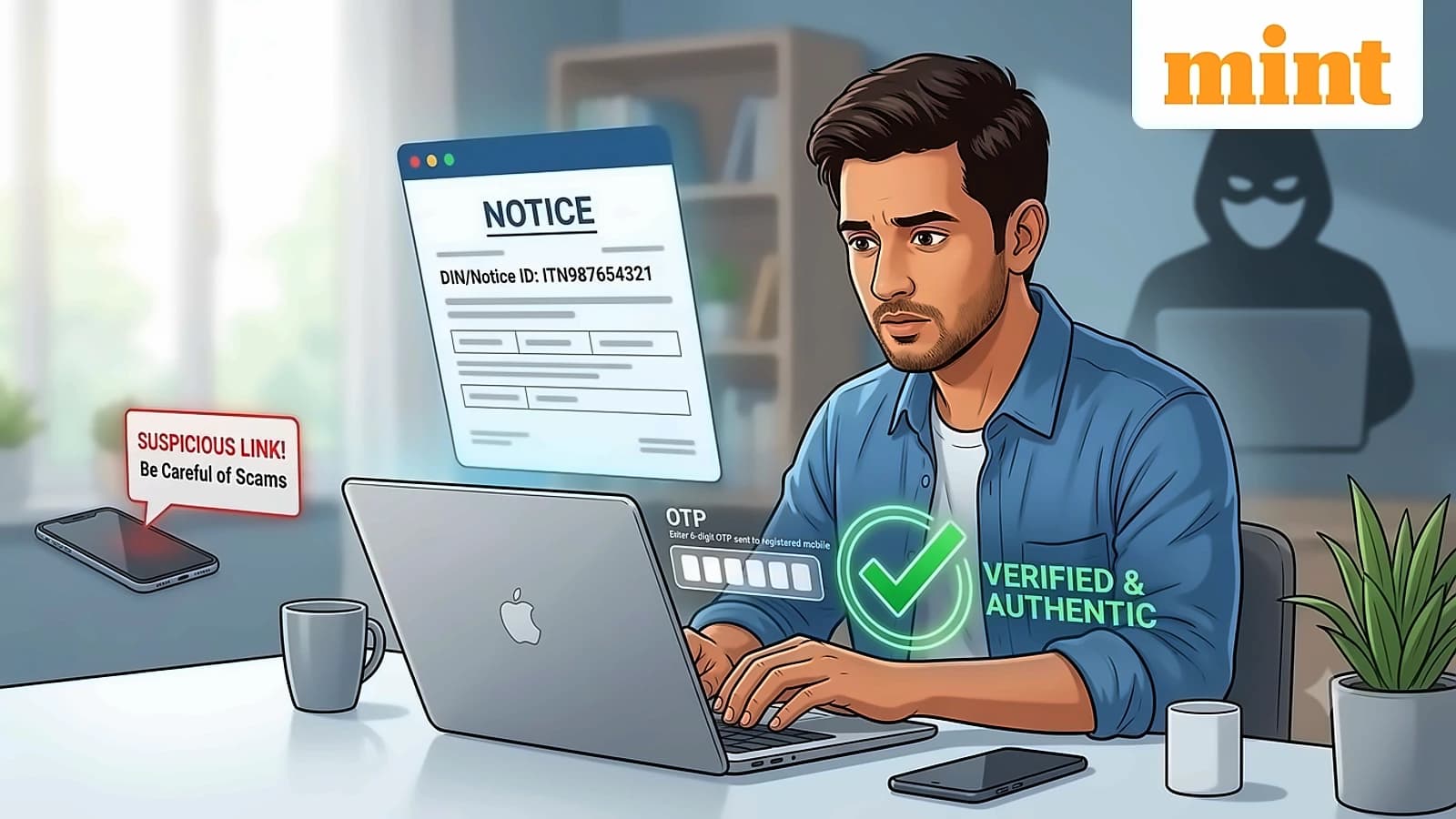
A new phishing scam has emerged targeting taxpayers with fake Income Tax Department notices demanding ₹6,000 payment for outstanding tax dues. According to the PIB Fact Check team, the department does not issue such notices, warning taxpayers to beware of misleading content and always rely on official sources for verified information. The scam represents a sophisticated phishing fraud where fraudsters use messages appearing to come from financial institutions, social media platforms, payment processors or IT administrators to lure unsuspecting users. Multiple government agencies now emphasize that urgent demands for immediate action or payment and threats of arrest or suspension are common warning signs of government impersonation scams. The warning is particularly relevant during income tax refund season when taxpayers may be expecting refunds or checking for outstanding dues, making such messages appear more credible and creating pressure to act quickly.
Phishing is a form of online fraud in which scammers impersonate a trusted organisation or service to obtain sensitive information. In the case of tax-related scams, fraudsters may pose as the Income Tax Department and send emails containing links to websites designed to look similar to the official tax portal. These fake websites may ask taxpayers to enter information such as usernames and passwords, bank account or credit card details, PINs and other financial credentials. The PIB Fact Check team confirms that fraudsters commonly use emails or instant messages, often directing users to fake websites designed to resemble legitimate ones. Government agencies warn that scammers increasingly use QR code and text message scams, cryptocurrency and payment app fraud, and employment, romance, and online shopping scams to target victims. The risk does not necessarily end with the ₹6,000 payment - a fake tax message can be used as the first step to obtain banking credentials, card details, passwords, OTPs or other personal information.
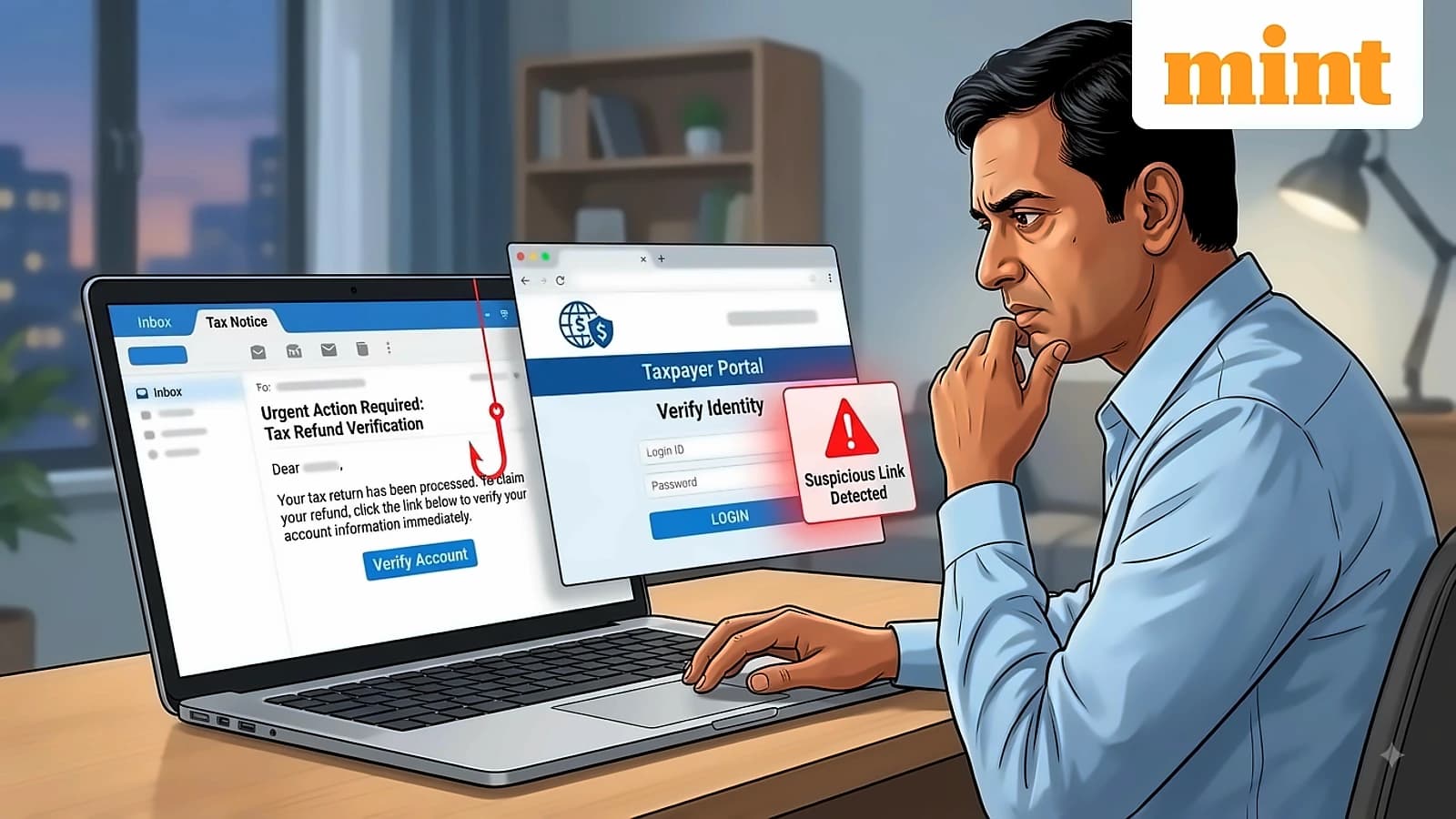
Taxpayers should be cautious if an email claims to be from the Income Tax Department and asks them to provide confidential information or directs them to an unfamiliar website. The PIB Fact Check team emphasizes that if you receive an email claiming to be from the Income Tax Department or directing you to an Income Tax website, do not reply or open attachments, as they may contain malicious code. Urgent demands for immediate action or payment and threats of arrest or suspension are common warning signs of government impersonation scams. Key precautions include avoiding responses to suspicious emails, not opening attachments that may contain malicious code, and not clicking on links that ask for personal or financial information. The PIB Fact Check team warns that some phishing emails may contain software that can damage your computer or track online activity without your knowledge. Taxpayers should also be wary of communications that create urgency, threaten immediate penalties or ask them to make payments through unfamiliar links.
Taxpayers who receive emails claiming to be authorised by the Income Tax Department can report them to the department by forwarding the suspicious email or website URL to webmanager@incometax.gov.in. The PIB Fact Check team provides additional reporting options through WhatsApp at +91 8799711259 or email at factcheck@pib.gov.in. Taxpayers can forward the suspicious email as received or provide the email's internet header, which contains additional information that can help authorities trace the source of the message. After reporting, taxpayers should delete the message and keep security software updated with antivirus and anti-spyware programs. The PIB Fact Check team recommends using strong, unique passwords and enabling multi-factor authentication to protect personal and financial information. Government agencies emphasize the importance of regularly backing up important files and keeping devices and security software up to date to reduce fraud risk. If a taxpayer has clicked a suspicious link but has not entered any information, the immediate priority should be to close the page and avoid downloading files or providing further details. If banking credentials, card information, passwords or other sensitive information have already been shared, the taxpayer should contact the concerned bank or financial institution immediately and take steps to secure the affected account.