According to reports from Mint, the refund amount calculated while filing an Income Tax Return (ITR) is not always the final amount received. The refund amount is only a self-assessment and is not the final amount the Income Tax Department is required to pay. After filing, the ITR is processed by the Centralised Processing Centre (CPC) under Section 143(1) of the Income-tax Act, where the department verifies details against tax records including Form 26AS, Annual Information Statement (AIS), Taxpayer Information Summary (TIS) and tax payment records. The department also verifies whether the Tax Deducted at Source (TDS) claimed by you matches the TDS reported by employers, banks and other deductors.

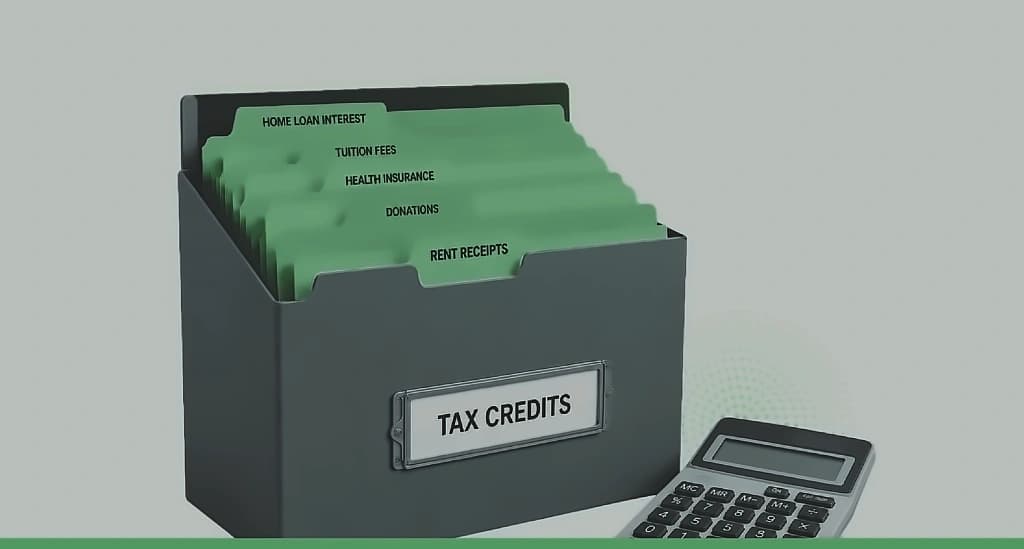
As reported by Cleartax, the most common reason for receiving a partial refund is mismatch in tax credits. If TDS claimed in the return is higher than credit available in Form 26AS, the excess credit may not be allowed. The refund may also be reduced if taxable income has not been reported correctly, or if incorrect claims are apparent from the return itself. In some cases, incorrect tax calculations or errors in tax computations may lead to adjustments during processing. According to the latest reports, these adjustments could include correcting calculation mistakes, removing incorrect claims and revising tax credits that do not match official records.
According to Mint, another reason for reduced refunds is outstanding tax demand from earlier assessment years. Under Section 245 of the Income-tax Act, the department may adjust a taxpayer's refund against an existing demand after following prescribed procedures and providing an opportunity to respond. Interest payable under Income-tax Act provisions is also computed while determining final tax liability.
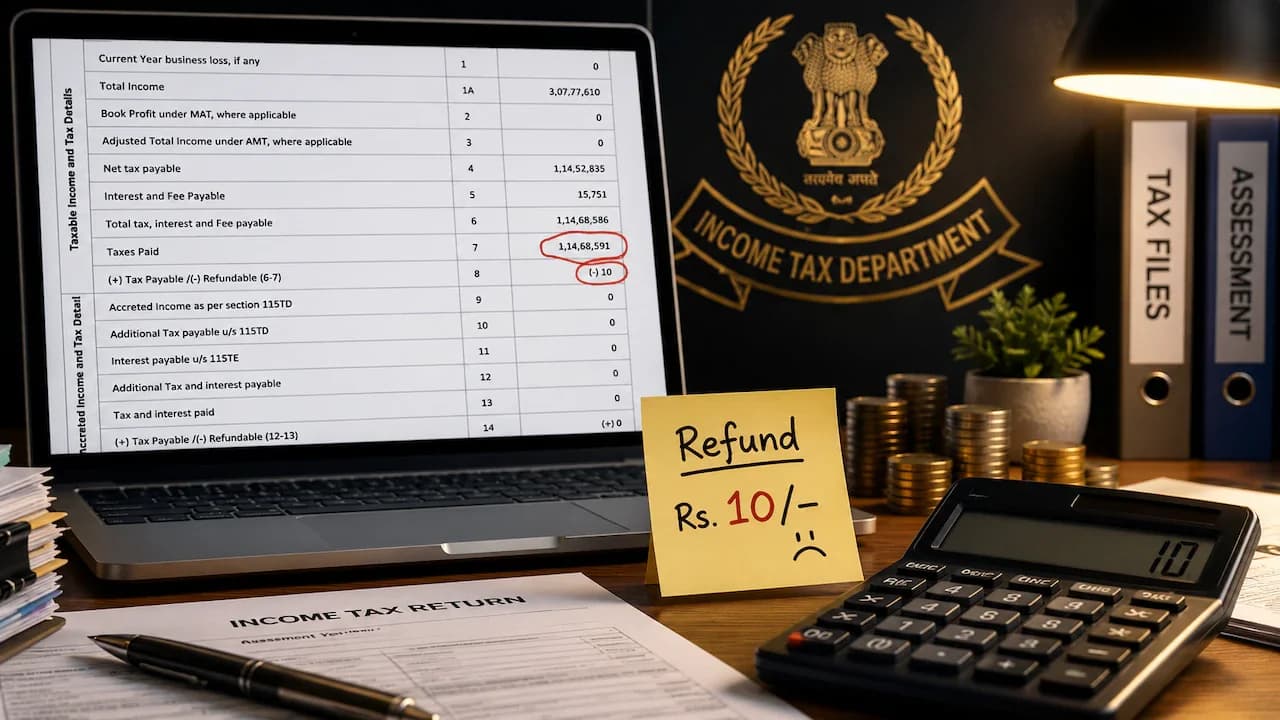
Once the return is processed, the Income Tax Department issues an Intimation under Section 143(1) through the e-filing portal to the taxpayer's registered email address. As reported by Mint, this intimation contains a comparison between income, deductions and tax credits reported by the taxpayer and those computed by the department. It specifies whether the return resulted in a refund, no demand or tax demand, along with details of any adjustments made during processing.
According to Cleartax, taxpayers who receive lower refunds should carefully review the Section 143(1) intimation against their tax records. If mistakes are identified that are apparent from the record, taxpayers can file a rectification request through the Income Tax Department's e-filing portal. For refund adjustments against outstanding tax demands, taxpayers can respond through the portal if applicable. To avoid such situations, the Income Tax Department advises taxpayers to reconcile Form 26AS, AIS and TIS before filing returns and ensure all taxable income is reported correctly.