The Income Tax Act 2025 imposes strict limits on large cash transactions through multiple provisions. Under Section 269ST, individuals cannot receive ₹2 lakh or more in cash from a single person in one day for a single transaction or for transactions relating to one event or occasion. Violations attract a penalty equal to the amount received under Section 271DA. According to Tax2win CEO Abhishek Soni, if a taxpayer inadvertently or intentionally crosses these limits, the Income Tax Department has the authority to impose a penalty equivalent to 100 percent of the amount received. This means if you accept ₹2 lakh in cash, you might end up paying the entire ₹2 lakh as a fine. The rule applies regardless of the purpose of the transaction, whether it's for a gift or a service. Additionally, Section 269SS and 269T prohibit accepting or repaying loans or deposits of ₹20,000 or more in cash, with such transactions requiring banking channels to remain compliant. Section 269SS also restricts cash payments or advances of ₹20,000 or more in property transactions, with this limit applying irrespective of the property's value.
Property transactions above specified thresholds trigger mandatory tax compliance requirements. If sale consideration or stamp duty value is ₹50 lakh or more, the buyer must deduct 1 per cent tax deducted at source (TDS) under Section 194-IA before making payment to the seller. Under new Income Tax Rules, 2026, property transactions of ₹45 lakh or more are required to be reported by Registrars and Sub-Registrars under the Statement of Financial Transactions framework. Depending on transaction nature and value, quoting a PAN may also be mandatory. Real estate transactions are under heavy scrutiny by the tax department, with any advance payment or total payment for the purchase or sale of a house or land can't be made in cash if the amount is ₹2 lakh or more. Engaging in cash transactions for property deals above this limit can result in massive penalties, as the department views large cash movements in property as a potential sign of unaccounted wealth. Under Section 269SS, cash payments or advances of ₹20,000 or more in property transactions are restricted, with this limit applying irrespective of the property's value. Non-compliance may lead to penalties as well as tax scrutiny.
Banks must report certain high-value cash transactions to the Income Tax Department through specific thresholds. Cash deposits aggregating ₹10 lakh or more in a financial year in one or more savings accounts require reporting. Similarly, cash deposits or withdrawals aggregating ₹50 lakh or more in current accounts during a financial year must be reported. These transactions are reported through Form 61A under the Statement of Financial Transactions. While reporting does not automatically result in tax action, unexplained deposits or mismatches with declared income may invite scrutiny. Large cash withdrawals are closely monitored by the Income Tax Department, with if cash withdrawals exceed a certain threshold, the bank is required to deduct Tax Deducted at Source (TDS) under Section 194N, particularly for certain non-filers of income tax returns. This information is directly shared with tax authorities, and taxpayers may be required to explain the source and purpose of such large withdrawals during tax assessments. The Reserve Bank of India mandates that there are no statutory limits on how much cash you can withdraw from your own savings account, but individual banks set daily operating limits and government tax laws may impose penalties on large withdrawals.
Several other financial activities are subject to reporting requirements beyond cash and property transactions. Credit card payments made in cash of ₹1 lakh or more and aggregate credit card payments of ₹10 lakh or more in a financial year require reporting. Foreign travel expenditure exceeding ₹2 lakh in specified cases and purchase of motor vehicles above prescribed limits where PAN quoting requirements apply are also subject to compliance. Under Section 40A(3), businesses cannot claim a tax deduction for cash payments exceeding ₹10,000 in a day to a single person, except in specified circumstances, with such expense may not qualify for tax deduction. Hotel and restaurant transactions covered under revised reporting thresholds in the Income Tax Rules, 2026, are included in these requirements. For business owners, if making a payment to a single person in a single day for business-related expenses, you can't exceed the limit of ₹10,000 in cash if you wish to claim that expense as a tax deduction. Any cash payment above ₹10,000 won't be considered for tax benefits, though there is a relaxation for transport businesses where the cash payment limit is extended up to ₹35,000. Cash donations of more than ₹2,000 are not eligible for a tax deduction under Section 80G, with donations above ₹2,000 should be made in any mode other than cash to qualify under Section 80G.
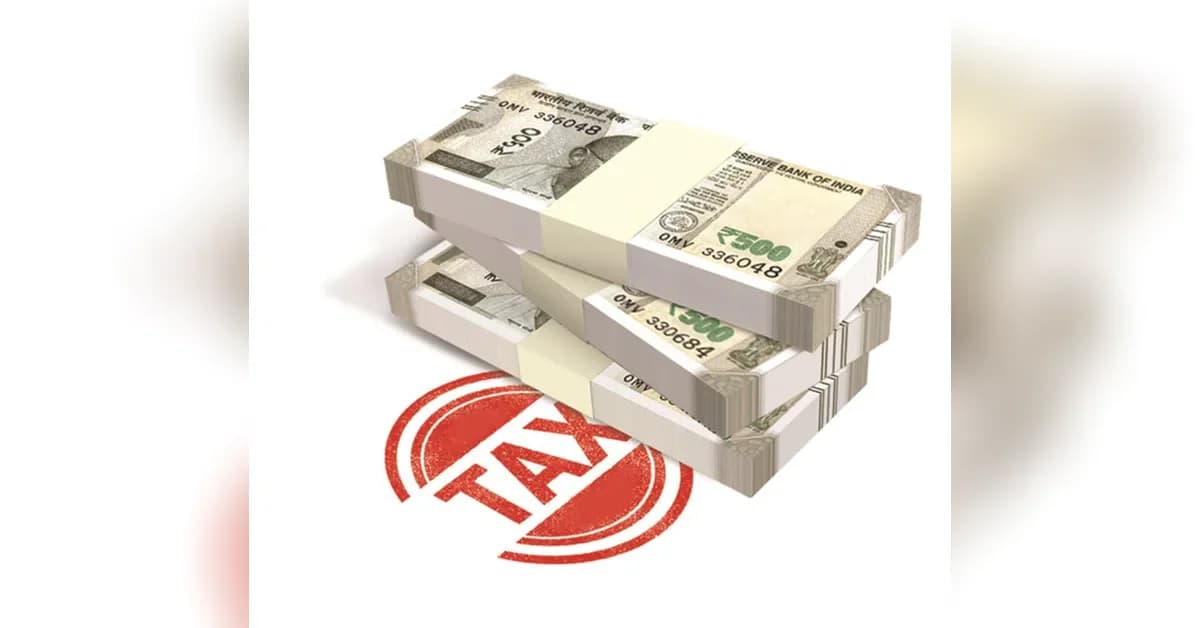
The Income Tax Department uses information from banks, registrars and other reporting entities to prepare a taxpayer's Annual Information Statement (AIS). If transaction values in the AIS do not match income declared in income tax returns, the department may seek explanations. Maintaining a clear digital trail through bank transfers, preserving supporting documents such as sale deeds, gift deeds, loan agreements and bank statements, and ensuring high-value transactions are correctly disclosed can help taxpayers respond to queries more easily. Specified high-value transactions may make income tax return filing mandatory even if taxable income is below the basic exemption limit. Many individuals attempt to bypass cash limits by splitting large payments into smaller parts, but the Income Tax Department is vigilant against such tactics. Splitting a large cash transaction into smaller ones may not help avoid cash transaction rules, as if all the payments relate to the same transaction or event, they may still be regarded as a single transaction and subject to penalties. Under Section 285BA of the Income-tax Act, read with Rule 114E of the Income-tax Rules, banks and specified financial institutions must report certain high-value transactions to the Income Tax Department through the Statement of Financial Transactions (SFT) to help the department track financial activity, improve compliance and detect tax evasion.