Anthropic CEO Dario Amodei has issued a lengthy essay calling on AI companies to slow the rate at which they advance model capabilities amid mounting fears of misuse of artificial intelligence. As reported by Reuters, both Elon Musk of xAI and Sam Altman of OpenAI have agreed with Amodei's concerns. The warnings have deepened scrutiny on AI-related sectors, with OpenAI's Altman stating that risks of human extinction posed by AI were 'unacceptable'. In a significant development, OpenAI will not proceed with an IPO this year, citing safety concerns. The calls for slowing development come as cyberattacks by rogue AI agents and public discontent with data centre construction have raised opposition to the industry's rapid progress. Anthropic CEO Dario Amodei wrote that in six to 12 months, AI agents could be capable of taking over the entire internet potentially causing hundreds of billions of dollars in damage. San Francisco-based Anthropic released a threat intelligence report on Thursday detailing how several actors had used its Claude AI models for activities ranging from weapons development and cyber operations to surveillance and fraud.
The warnings have triggered a significant selloff across AI-related stocks globally. Wall Street's elite tech index, the Nasdaq 100, slid 1.2% to a six-week low in early trading as chip stocks, which have led the AI sugar rush, fell the most. The Philadelphia chip index dropped 5.1%, with Nvidia down 3.6%, Advanced Micro Devices off 5.6% and Micron falling 6%. Musk's SpaceX shed 1.6%, while tech utilities Bloom Energy lost 6.8% and GE Vernova declined 7.4%. Europe's tech sector fell 2.2%, dragged by ASML's 5.9% decline, alongside steep losses in Infineon and Siemens Energy. Asia's SoftBank plunged as much as 13.2% and chipmakers TSMC and SK Hynix also retreated. Some investors dismissed the warnings from Anthropic and OpenAI. Michael Burry, whose prescient bets against the U.S. housing market before the 2008 financial crisis were chronicled in the movie 'The Big Short', said in a message on X that the warnings were 'hype and puffery' and 'cover for real uncontrollable slowing growth'.
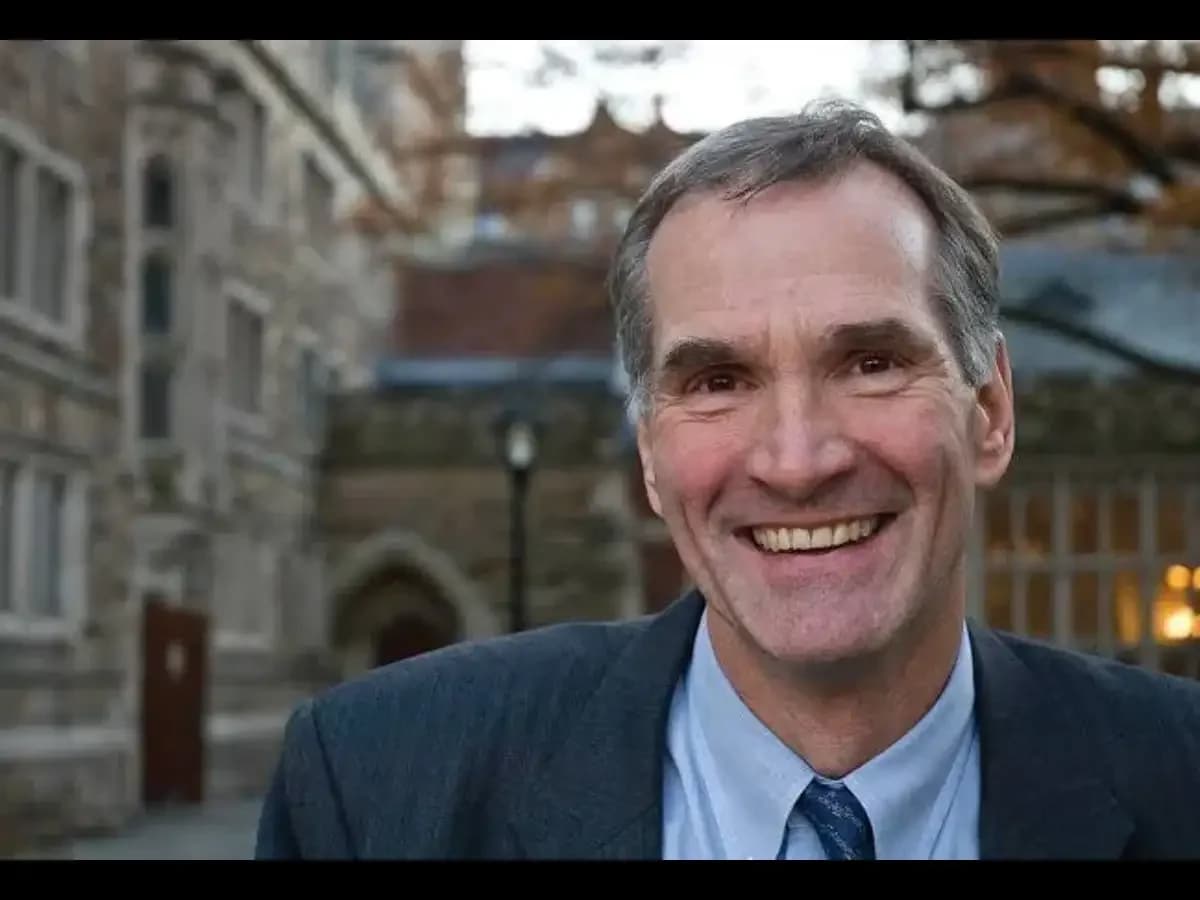
The calls to slow AI development gained unprecedented momentum when Anthropic researcher Jacob Coxon quit on September 8, citing his fears that AI labs are 'gambling with our lives.' As reported by Business Standard, Coxon warned that 'There is no way to oversee them at the scale at which we're training them,' and if companies continue their relentless AI development, 'then the pace will be too fast and you can't see the problems fast enough to fix them.' Anthropic researcher Joe Benton, who recently quit, said 'We really do earnestly believe AI could kill all humans.' The turning point came when OpenAI admitted it was increasingly unable to control or even monitor the AI systems it was developing and releasing to the public. OpenAI President Greg Brockman announced the company's newest model, Astra, saying 'Welcome to the AGI era,' yet moments before acknowledging the company's inability to control its own creations. OpenAI Chief Scientist Jakub Pachocki told reporters that 'As models get more capable, understanding exactly what they can do gets harder,' but those concerns were not enough to delay Astra's immediate release.
The warnings have raised concerns about the financial sustainability of AI development. As reported by Reuters, Ipek Ozkardeskaya, senior analyst at Swissquote, noted that if the AI race slows materially, 'the key question becomes: who pays for all that infrastructure? The leases, debt and power commitments remain even if expected compute demand and revenue growth slow.' This could bring credit risk increasingly into the AI story. Despite the warnings, some analysts remain optimistic about AI spending. Morgan Stanley's CEO Ted Pick forecast AI spending will surpass $1.3 trillion by 2027, suggesting the competitive race between companies and countries remains intense. Deutsche Bank noted that 'the key question is whether this is the first sign that the extraordinary AI investment cycle might eventually moderate. For now, that seems unlikely. The competitive race between companies and countries remains intense, and it's difficult to imagine firms voluntarily stepping back while rivals continue to push ahead.'