Auto-sweep facilities represent a modern evolution of sweep-in fixed deposits, offering automated money management without manual intervention. As demonstrated by The Times of India case study, Priya earns approximately ₹3,900 more annually on the same money through this facility. The mechanism works by automatically transferring surplus funds above a predetermined threshold into fixed deposits while maintaining same-day liquidity. When transactions create shortfalls, banks automatically break the linked FDs to restore minimum balances, ensuring seamless account management without branch visits or manual transfers.
Auto-sweep facilities capitalize on the significant interest rate gap between savings and fixed deposits. According to recent market data, savings account rates currently range from 2.5% to 4%, while fixed deposit rates can reach up to 6.4% depending on tenure and bank policies. The facility allows idle money to generate higher returns while maintaining accessibility during emergencies. For example, with a ₹50,000 threshold, a balance of ₹1,50,000 would automatically sweep ₹1,00,000 into FDs, earning the higher rate while retaining ₹50,000 for immediate needs. Many banks offer multiple account variants with different threshold requirements and sweep increments, providing flexibility based on individual financial needs.

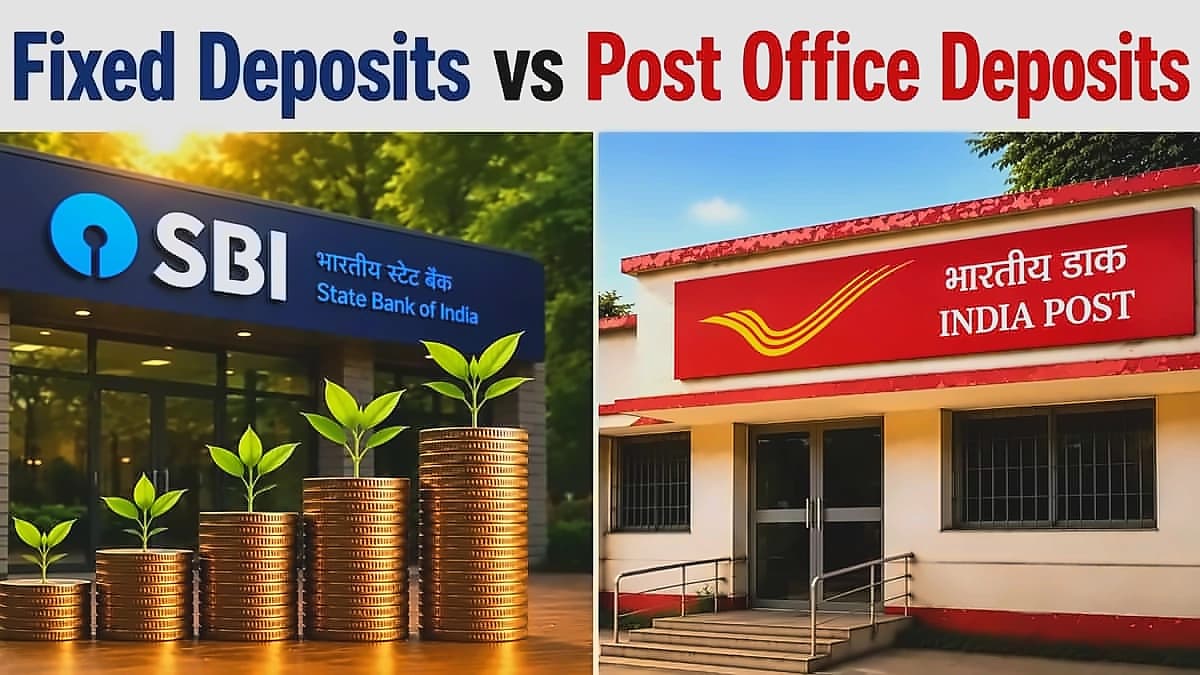
Major Indian banks have developed distinct auto-sweep products tailored to different customer segments. SBI's Auto Sweep facility requires customer-set thresholds typically between ₹25,000 to ₹35,000 with multiples of ₹1,000 increments. HDFC Bank's MoneyMaximizer offers thresholds from ₹35,000 to ₹1,25,000 depending on account variants. ICICI Bank's Money Multiplier provides customer-set thresholds with multiples of ₹5,000, while Axis Bank's Encash 24 and Kotak Mahindra Bank's ActivMoney offer similar features. Some banks bundle auto-sweep into premium salary account variants, automatically sweeping leftover balances after monthly expenses and reversing them before salary credits.
The tax treatment of auto-sweep facilities remains consistent with regular fixed deposit rules. Interest earned on swept amounts is taxable according to the investor's income tax slab under the head 'Income from Other Sources'. Experts recommend reviewing terms governing premature withdrawals, minimum holding periods, and sweep-in conditions before activating these facilities. The arrangement is generally available to resident Indians, Hindu Undivided Families, and private and public firms, with banks imposing different rules regarding minimum withdrawal units, transaction limits, or minimum balances. However, some banks like IDFC FIRST Bank and Kotak Mahindra Bank typically waive premature withdrawal penalties when FDs break early, providing additional flexibility for customers.
Financial experts position auto-sweep facilities as optimal for savers with regular surplus balances above monthly expenses. Unlike conventional fixed deposits where entire deposits may need breaking before maturity, auto-sweep facilities provide liquidity during emergencies while automatically earning higher returns. The facility is particularly suitable for salaried professionals, businesses, and traders managing working capital between payment cycles. As reported by industry analysis, the facility trades a small amount of rate flexibility for automatic, same-day liquidity, making it valuable for those who regularly carry surplus balances without actively moving money into FDs. However, it may offer less value for disciplined investors who already invest surplus funds monthly into mutual funds or separate FDs.