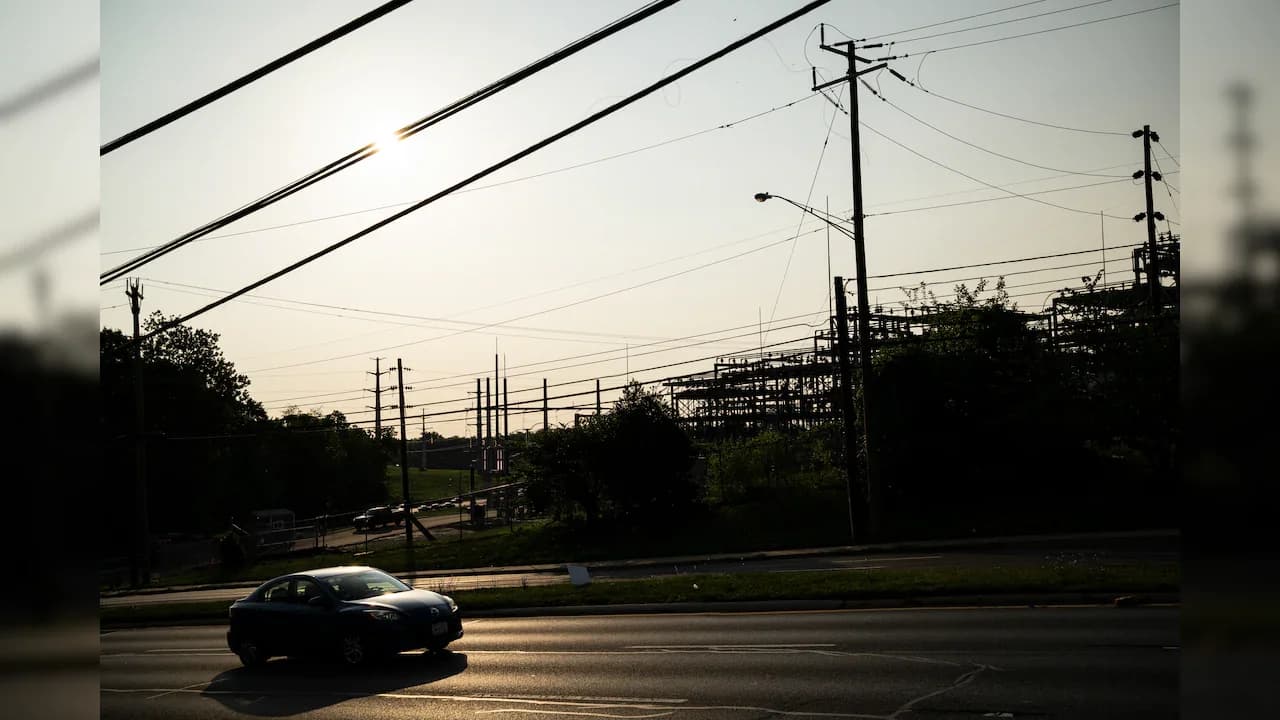
According to latest reports, water utility bills are rising across the country at twice the rate of inflation as climate-driven droughts and intensive storms impact household budgets. The surge in water costs is particularly significant as large-scale AI operations typically use evaporative cooling systems that physically consume water by turning it into vapor. A single hyperscale data center can consume up to 5 million gallons of water per day—roughly the daily usage of a city of 50,000 people. This additional water consumption during heat waves compounds the existing pressure on household water bills, forcing households to balance comfort with water conservation through measures such as rainwater harvesting and efficient irrigation systems.
According to reports from BankBazaar.com, electricity bills have emerged as the biggest summer expense for many households as temperatures rise. Air conditioners, coolers, and fans run for longer hours during extreme heat, significantly increasing power consumption and utility bills. The report notes that appliance and maintenance costs have also risen, forcing households to balance comfort with energy efficiency through measures such as regular servicing, energy-saving settings, and limiting unnecessary usage. Water consumption for cooling systems adds another layer of cost pressure as households face both higher electricity bills and increased water utility expenses.
As reported by BankBazaar.com, fuel costs continue to affect daily budgets even when prices appear relatively stable. Transportation and delivery costs remain elevated, impacting daily commuting, ride fares, and logistics expenses. Summer travel also tends to increase due to vacations and seasonal movement, adding further pressure on fuel-related expenses. The report indicates that households are becoming more mindful about travel planning, combining errands, and reducing unnecessary trips where possible.
According to the BankBazaar.com report, food prices often become more volatile during summer months due to heatwaves, supply disruptions, and seasonal shortages affecting vegetables, fruits, and essentials. Eating out and food delivery costs have also risen steadily, prompting households to plan meals more carefully, reduce food waste, and track spending more closely. Higher grocery bills loom for consumers as supplier costs surge, with investment bank Barrenjoey warning that price rises will accelerate by the end of the month as supermarkets pass on costs to customers.

As reported by BankBazaar.com, summer inflation is no longer limited to electricity and groceries alone. School vacations, travel plans, seasonal shopping, and healthcare costs can all add pressure on monthly budgets simultaneously. This becomes more challenging when income growth does not keep pace with rising expenses. The report emphasizes that short-term budgeting and cash flow planning are becoming increasingly important for managing these seasonal pressures, with the addition of water utility costs and AI-related cooling expenses creating an even more complex financial landscape for households.
According to the BankBazaar.com analysis, managing summer inflation requires better spending habits and careful planning. The report recommends creating a seasonal budget to prepare for temporary increases in expenses and separating essential and discretionary spending to control costs more effectively. Avoiding excessive reliance on credit for routine expenses and making small adjustments in electricity usage, travel, or grocery spending can help reduce financial pressure over time. As reported, tracking smaller expenses regularly can help prevent seasonal spending from affecting long-term savings goals, while water conservation measures become essential for managing the dual impact of higher utility bills.