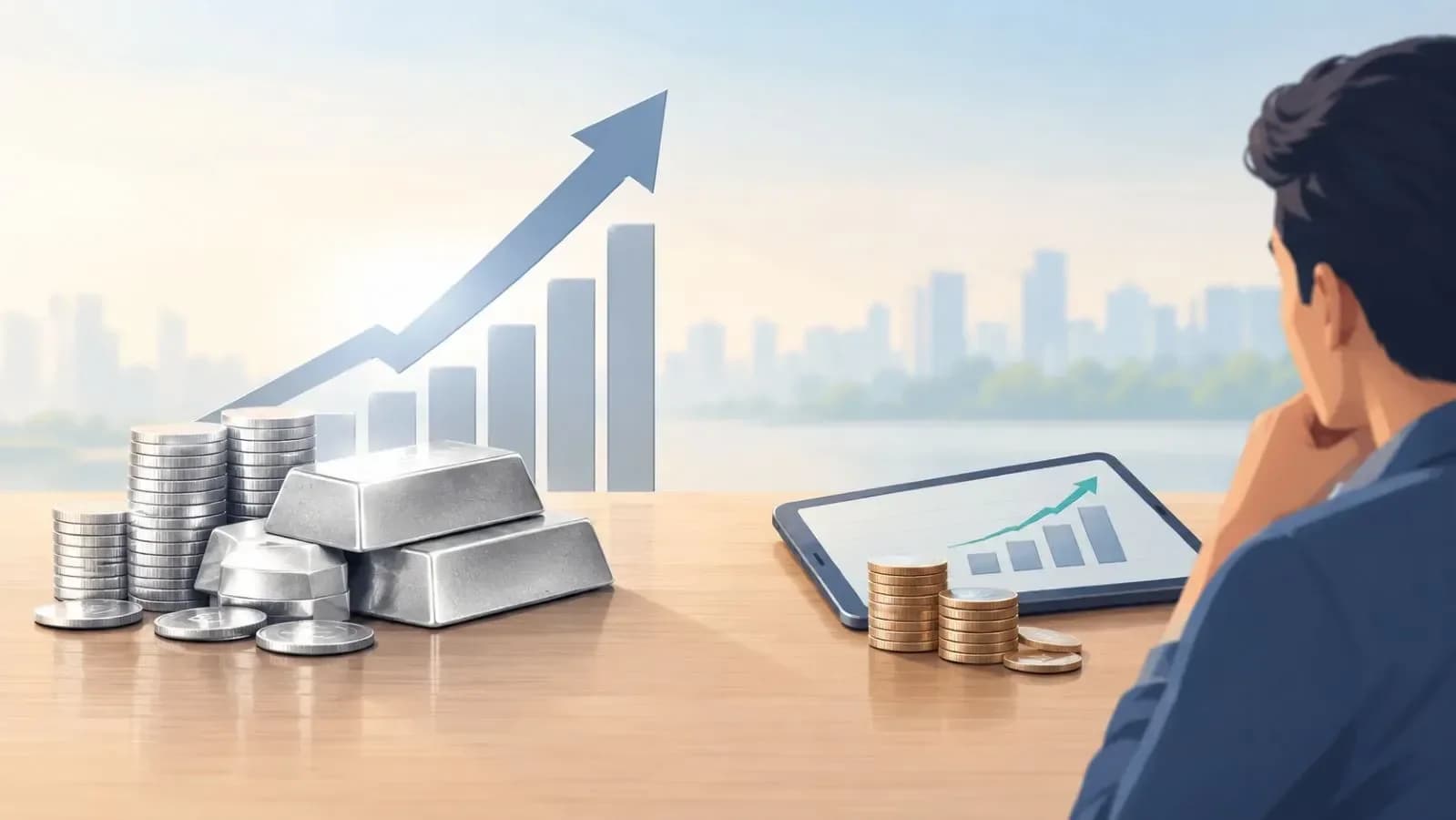
Silver has gained significant traction in 2026 as a mix of rising industrial demand and investor interest boosts its appeal. According to reports from ABP Live, silver prices surged over 100% in 2025, gaining traction beyond gold. The precious metal has continued to stay volatile in 2026, with prices showing renewed momentum supported by both investment demand and global uncertainty. Silver remains more affordable than gold, making it accessible to a wider set of investors. Prices have moved from around ₹37,000 per kg in 2016 to ₹2,50,000 in recent years, reflecting both global trends and domestic demand.
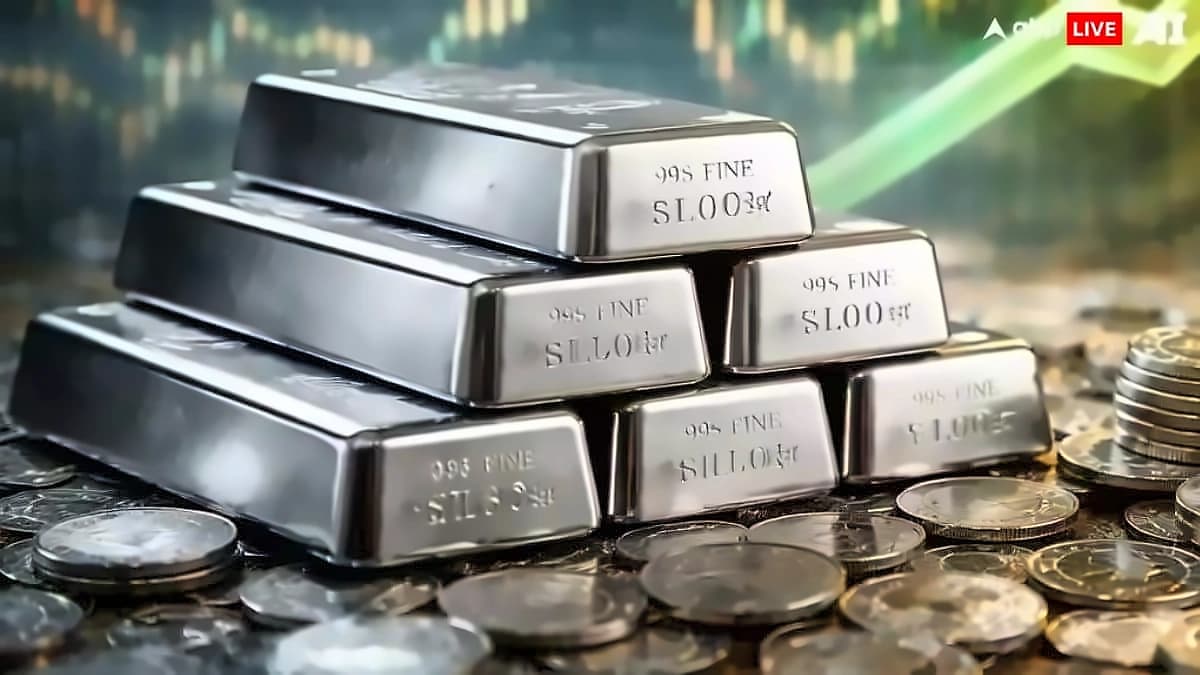
What makes silver different is its dual role as both a precious metal and an industrial commodity. As reported by ABP Live, around 60% of silver demand comes from industrial use, including key industries such as electronics, solar panels, and electric vehicles. This combination gives silver a unique position, with its price influenced not just by investor sentiment but also by real economic activity. Silver benefits from investor interest during uncertain times while playing a key role in industries such as electronics, solar panels, and electric vehicles.
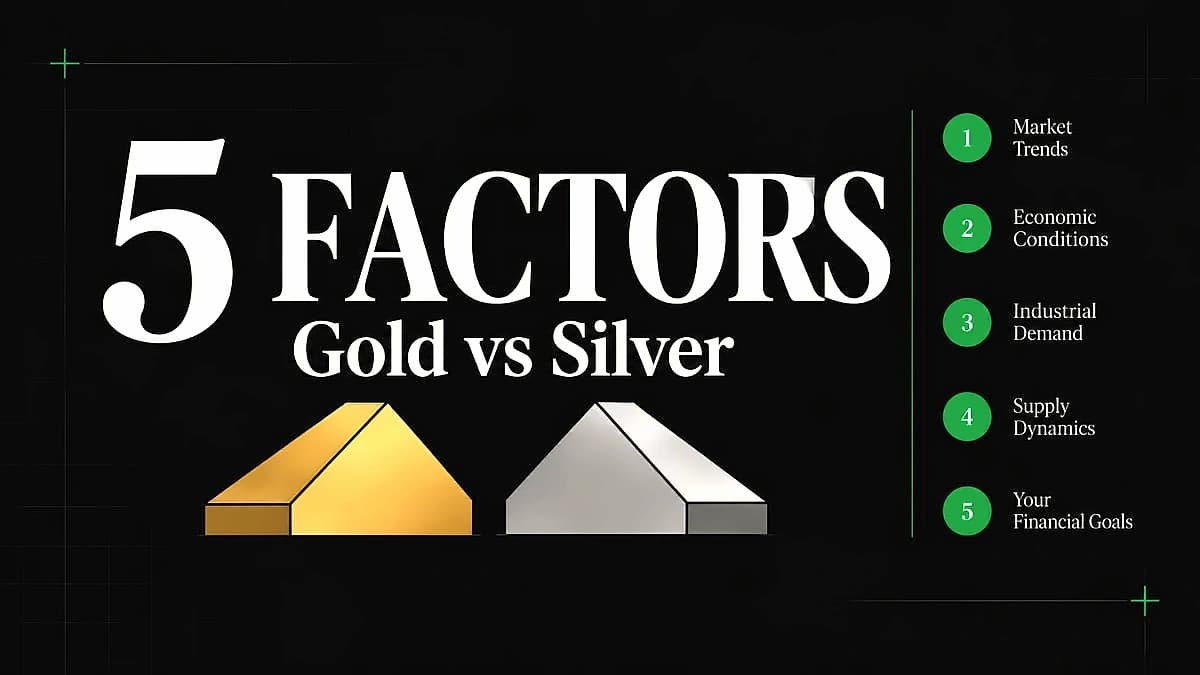
Gold and silver often move together, but they behave differently due to their unique market characteristics. According to ABP Live, gold is typically more stable and benefits from steady demand, including central bank buying, while silver is more volatile due to its smaller market size and sensitivity to both investment flows and industrial demand. However, this volatility can create opportunities, as during periods of economic recovery or rising industrial activity, silver has historically outperformed gold. Silver tends to follow gold's direction during uncertain phases, but its market is less predictable compared to gold.
Despite its potential, silver comes with significant risks that investors should consider. As reported by ABP Live, price swings can be sharp, and timing the market can be difficult. The metal's dependence on industrial demand means that any slowdown in global growth could affect prices. Another structural risk is that if silver becomes too expensive, industries may look for substitutes over time. Liquidity and price movements in silver can be less predictable compared to gold, and each investment mode - physical silver, ETFs, or digital options - comes with its own costs and considerations.