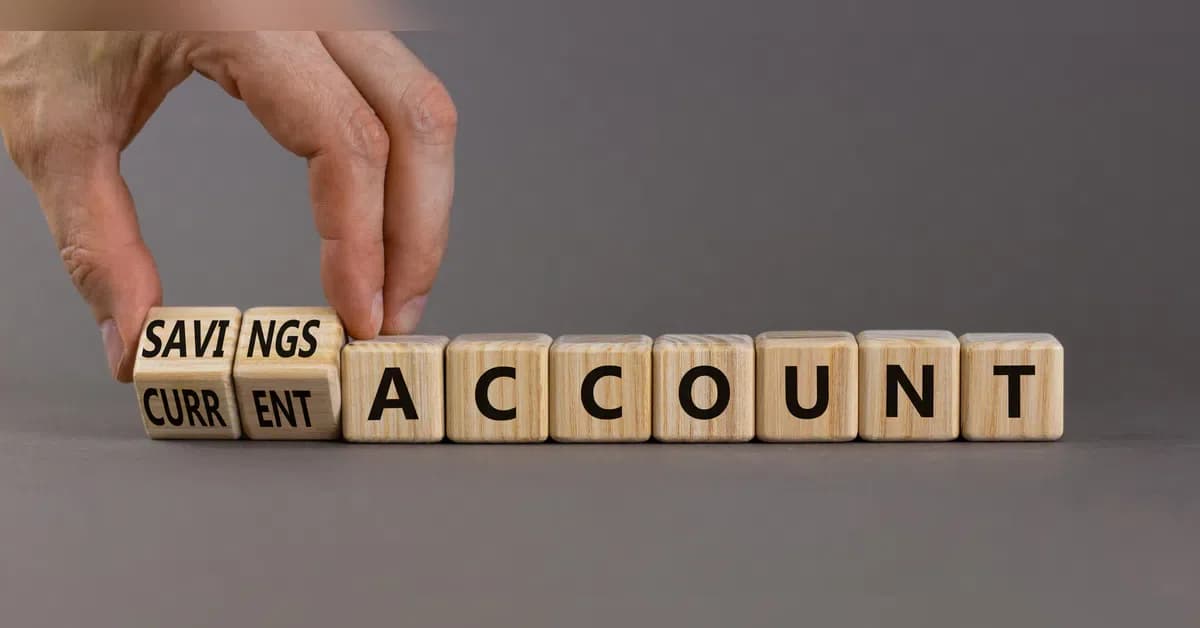
According to reports from Business Standard, choosing the right savings account requires understanding your specific financial needs. For individuals with monthly salary deposits and regular expenses, standard salary accounts or basic savings accounts with zero or low minimum balance requirements work effectively. However, those maintaining higher balances can benefit from accounts offering 6-7% interest on daily balances above certain thresholds, significantly higher than the 2.5% to 3.5% typically offered by public-sector banks. For frequent in-person banking needs, public-sector banks with wide branch networks provide better accessibility than high-interest digital accounts.
As reported by Business Standard, savings accounts often contain hidden fees that customers discover only after unexpected debits. The most common penalty is for failing to maintain minimum average balance requirements, with accounts requiring ₹10,000 monthly average balance potentially incurring ₹500 to ₹600 penalties per quarter. Additional charges include ATM withdrawal fees after three to five free transactions at your bank and three at other banks, debit card annual fees ranging from ₹200 to ₹500, and SMS alert charges. A case study highlighted by the report shows customers losing ₹1,200 annually in penalties from two unused accounts requiring ₹10,000 minimum balance each.
According to the Business Standard guide, savings accounts should hold one to two months of expenses for daily use, while emergency funds of 3 to 6 months should be placed in liquid mutual funds or high-interest accounts for better returns. The report recommends maintaining multiple accounts with clear roles - one for salary, expenses, EMIs, and SIPs, and another for emergency funds and short-term savings. For joint financial management, joint accounts for shared expenses help keep personal savings separate while maintaining family financial coordination.
As reported by Business Standard, essential features for regular savings account usage include low minimum balances, free ATM withdrawals, good mobile applications, and reasonable interest rates. The guide emphasizes avoiding common mistakes such as keeping all money in single accounts without clear spending-saving separation, ignoring minimum balance requirements until penalties appear, and failing to close old unused accounts from previous jobs. The report concludes with a comprehensive checklist including verifying interest rates and minimum balance requirements, identifying and closing unused accounts, updating nominations on all savings accounts, and setting up automatic transfers for investments and savings buffers.