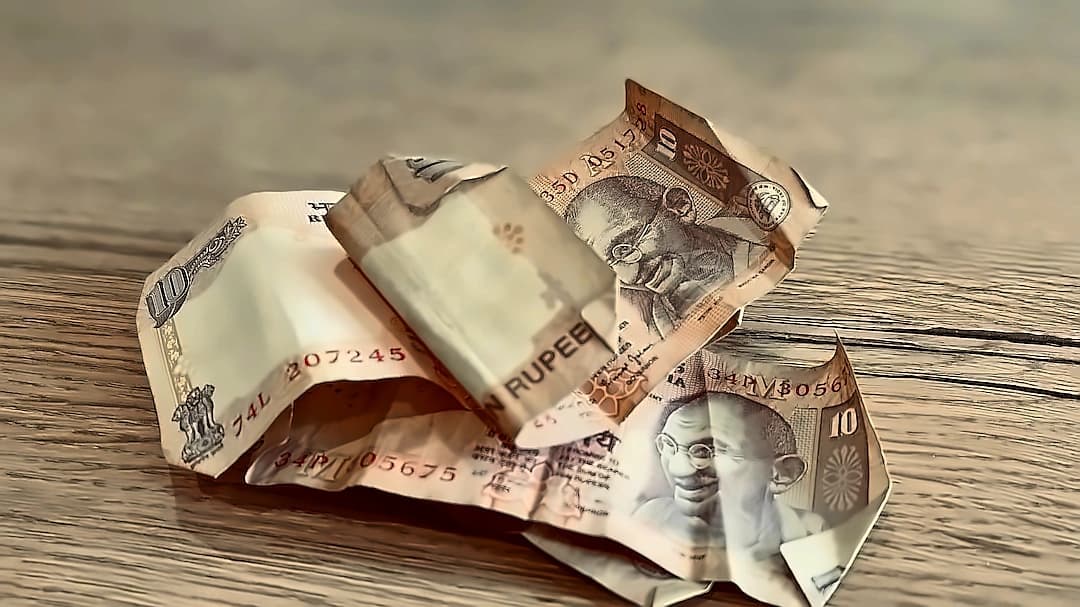
The Indian Rupee has reached an unprecedented 85.20 against the US Dollar, marking a significant milestone in the currency's decline. This represents a substantial depreciation from previous levels and highlights the mounting pressures facing the Indian currency. The rupee's weakness is being driven by multiple factors including spiking oil costs and ongoing geopolitical conflicts that are creating additional headwinds for the currency. When the Indian Rupee depreciates against the US Dollar, it creates significant implications beyond macroeconomic indicators, as reported by Upstox Securities. The currency movement directly affects individual financial planning and investment strategies through multiple channels, requiring careful consideration of both immediate and long-term financial implications.
India is witnessing a historic milestone as currency in circulation surged by over ₹610 billion in just 15 days of April, pushing total holdings to a record 42.3 trillion rupees. This remarkable jump signals a transformative phase in the Indian economy, with experts warning that sustained cash demand could impact the banking system's liquidity framework. According to ICICI Securities Primary Dealership, currency demand had been somewhat subdued relative to GDP growth in recent years, setting the stage for this sharper rebound. The surge is being driven by strong rural demand, a cut in goods and services tax on daily-use items in September, and lower interest rates that have supported cash usage, particularly in rural areas with higher spending propensity.
One of the most immediate impacts of rupee depreciation is on travel-related expenses, with the latest record low of 85.20 making international travel significantly more expensive. As reported by Upstox Securities, when the rupee weakens against foreign currencies, the cost of international travel increases substantially. This includes airfare, accommodation, and other expenses incurred during overseas trips. The depreciation makes international travel more expensive for Indian residents, affecting both leisure and business travel plans. The current record low of 85.20 against the USD compounds these existing pressures, making overseas travel and related expenses even more challenging for Indian families and businesses.
The depreciation of the Indian Rupee directly affects import costs, which are then passed on to consumers through higher retail prices. According to Upstox Securities, imported goods become more expensive when the rupee weakens, creating inflationary pressures. This includes consumer electronics, automobiles, and other goods that are primarily imported into the country. The increased import costs ultimately impact household budgets and consumer spending patterns, with the latest record low of 85.20 against the USD making these imported items even more expensive for Indian consumers. The currency's weakness is particularly concerning given the current spike in oil costs and ongoing geopolitical tensions that are contributing to the rupee's decline.
Rupee depreciation affects investment portfolios through multiple channels, particularly for investors with international holdings. As reported by Upstox Securities, when the rupee weakens, investments in foreign currencies, such as US Dollar-denominated assets, lose value when converted back to rupees. This includes mutual funds, stocks, and other investments that are priced in foreign currencies. The depreciation also affects the returns on foreign currency-denominated investments, making them less attractive for Indian investors. With the rupee reaching a record low of 85.20 against the USD, these investment challenges are amplified, as foreign currency-denominated assets lose even more value when converted back to rupees.