According to reports from Business Standard, retirement planning requires treating it as a mechanical process divided into pre-action estimates, in-action structuring and after-action reviews. The most fatal mistake is treating inflation as an abstract concept rather than a compounding threat. If current lifestyle costs ₹1 lakh per month and retirement is 20 years away, assuming only ₹1 lakh per month when you retire is a guaranteed path to poverty. At a standard 6% inflation rate, that same lifestyle will cost over ₹3.2 lakh per month by the time you stop working. To prevent this, calculate your target corpus using the rule of 25 or rule of 30, multiplying projected annual expenses at retirement by 30. If you need ₹40 lakh a year to survive at age 60, your minimum retirement corpus must be ₹12 crore.
As reported by Business Standard, the most common mistake in asset structuring is the all-or-nothing approach where people either keep 100% of their money in volatile equity or move 100% into fixed deposits. The recommended bucket strategy includes Bucket 1 holding five years of living expenses in ultra-safe instruments like fixed deposits, liquid funds or short-term bonds to protect against sequence of returns risk. Bucket 2 contains conservative hybrid funds and high-quality debt for stability during years 6-15, while Bucket 3 is purely equity index funds for growth in years 15+. A separate health care buffer is essential as medical inflation routinely exceeds 10%, requiring a massive, independent health insurance base and super top-up policy.
According to Business Standard, your portfolio must follow a glide path starting five years before retirement, systematically moving 10% of equity gains into guaranteed debt each year to fund Bucket 1. In your 30s, your portfolio should be 70-80% equity for maximum growth, gradually reducing to a 50/50 or 40/60 split between equity and debt by retirement. The most dangerous behavioral mistake occurs at retirement when people cash out everything and lock it into a single guaranteed annuity or bank account. At age 60, with 25-30 years of life expectancy remaining, you still need equity in your portfolio to ensure income doubles over the next two decades.
As reported by Business Standard, the education drain is identified as a silent killer where parents often liquidate retirement funds for children's expensive higher education or weddings. The recommended safe benchmark is investing 20-25% of post-tax income exclusively for retirement starting in late 20s, increasing to 40% or higher if starting in 40s due to lost compounding decades. The final corpus should be 25-30 times projected annual expenses at retirement, with annuities recommended only for basic survival expenses while using mutual funds for discretionary spending and inflation protection.
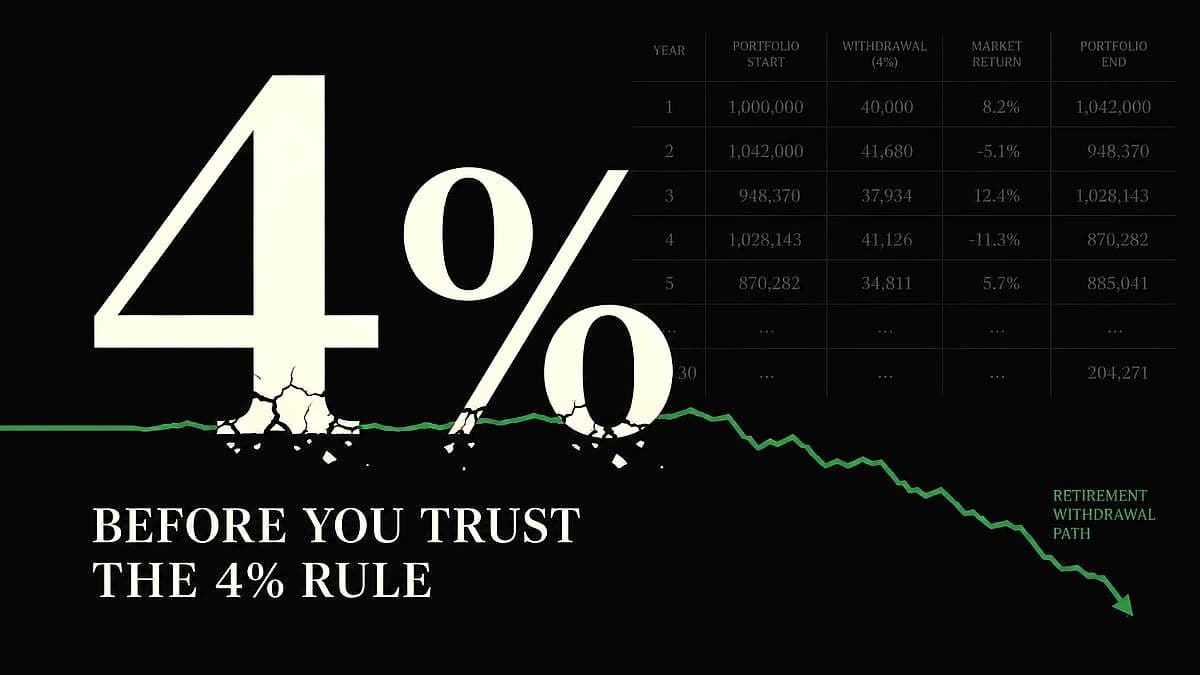
According to Fidelity and Vanguard data, Americans between age 55-64 had a median retirement account balance of $185,000 in 2022, suggesting a retirement lifestyle based on pre-tax income of just $23,125 annually. Using the 8x multiplier, this falls short of expert recommendations of 6-11 times income by age 60. However, many households also hold IRAs, taxable brokerage accounts, and other assets, so total retirement wealth typically exceeds any single account balance. The sustainable withdrawal rate for retirement planning is 3-4% of total savings, which combined with Social Security benefits of around $2,070 monthly, can help determine if you're on track for comfortable retirement.