According to the sixth edition of Axis Max Life Insurance's annual Bharosa Talks India Retirement Index Study (IRIS 6.0), urban Indians have accumulated only 28 per cent of their target retirement corpus on average. The study reveals that only 11 per cent believe their corpus will last their lifetime, while 39 per cent fear it may not last even five years. This significant gap highlights the urgent need for more strategic retirement planning among Indian households.
A comprehensive retirement corpus calculation involves seven key steps that create a chain of assumptions. Step 1: Current annual expenses that will continue into retirement, including food, utilities, household costs, transport, insurance premiums, medical expenses, and discretionary spending. Step 2: Years until retirement - simply subtracting your current age from your intended retirement age. Step 3: Inflation adjustment using the formula future expense = current expense × (1 + inflation)^years remaining. For example, ₹50,000 monthly at 6% inflation over 20 years becomes approximately ₹1.60 lakh monthly - about ₹19.2 lakh in the first year of retirement. Step 4: Estimated first-year retirement expenses after accounting for inflation. Step 5: Expected retirement return during the withdrawal phase, often called the real return - the difference between nominal return and inflation. Step 6: Retirement duration - the number of years the corpus must support withdrawals. Step 7: Required corpus calculation using the annuity formula, where the first-year expense is multiplied by (1 - (1 + real return)^-retirement years) divided by the real return.

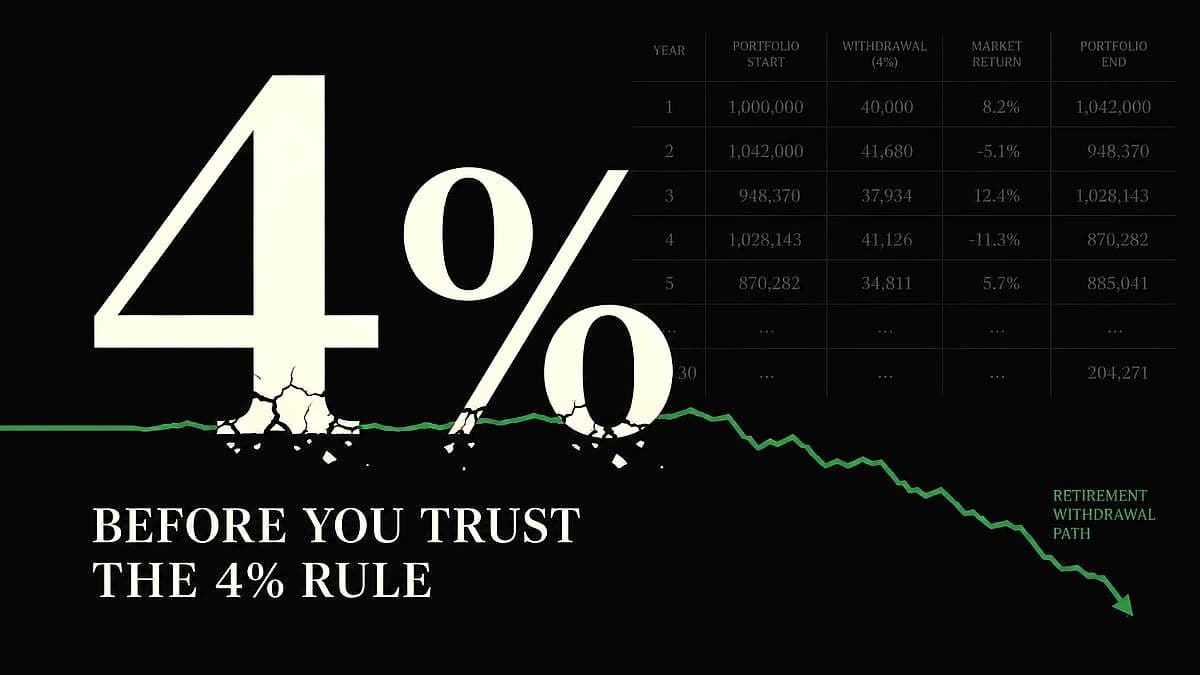
Financial planners consider 30-35 times expected annual expenses at retirement as a useful benchmark for the appropriate corpus size. As reported by Business Standard, Vishal Dhawan, CEO and founder of Plan Ahead Wealth Advisors, notes that Indian data supports a withdrawal rate closer to 2.5 to 3 per cent, significantly lower than the Western retirement literature's often-cited 4 per cent rate. Deepesh Raghaw, Sebi-registered investment adviser, warns that withdrawal rates above 3 per cent can become problematic, particularly for people retiring between ages 45 and 60.
According to the study, retirees should divide their total retirement corpus into three buckets based on when funds will be needed. The first bucket should contain funds required over the next one to three years, invested in very safe instruments to insulate against volatility. The second bucket should meet needs arising roughly four to 10 years later, holding longer-term debt assets and a small allocation to hybrid assets. The third bucket should address needs after 10 years, permitting a more aggressive allocation including index funds and actively managed flexicap or multicap funds.
The allocation to risky assets such as equity and gold should reflect the retiree's risk profile and corpus size. As reported by Business Standard, Raghaw suggests that a person with a large corpus who can meet expenses with a 30 to 40 per cent allocation to risky assets need not take additional risk. The entire corpus should not be put into debt once a person crosses 60, with Dhawan recommending 60-70 per cent to income-generating assets and the remaining 30 to 40 per cent to help the portfolio keep pace with inflation after retirement.