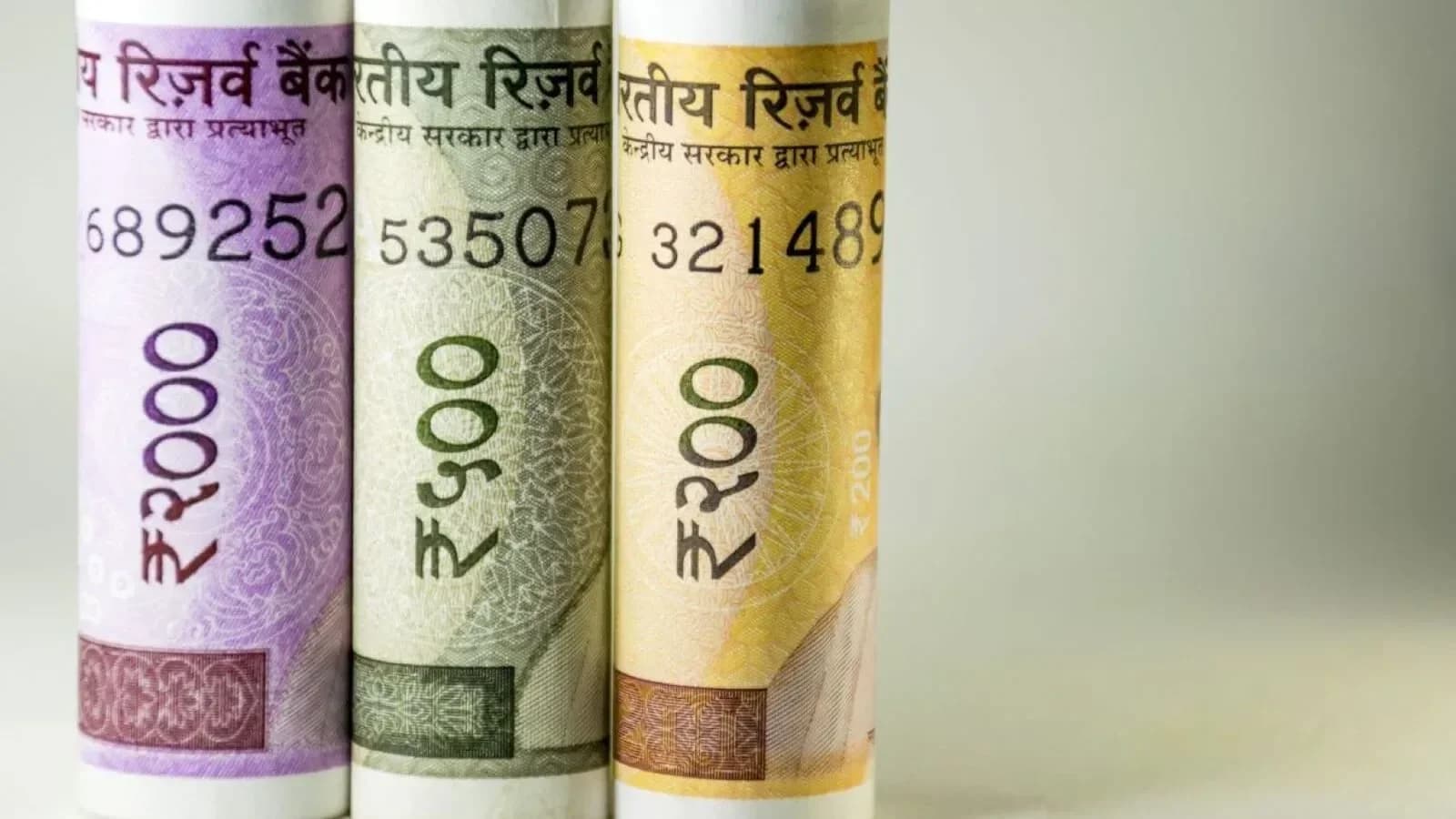
Under the Reserve Bank of India's Liberalised Remittance Scheme (LRS), resident individuals can remit up to ₹2.50 lakh USD during one financial year for specified purposes. According to tax expert Balwant Jain, this scheme allows remittances for education, foreign travel, medical expenses, investments in shares and property, opening foreign bank accounts, and making gifts and donations. The facility is governed under FEMA 1999 regulations and does not require prior RBI permission, though PAN details must be furnished. Importantly, each person has their own $250,000 limit (approximately ₹2.4 crore limit) and cannot simply pool family quotas unless relatives are co-owners of the investment. The scheme provides clarity for families seeking to support NRI family members through authorized remittance channels.
The remittances under LRS are tracked on PAN basis and are subject to tax collection at source (TCS). As reported by Upstox, the remitting bank collects 20% TCS on remittances exceeding ₹10 lakh in a year, calculated with reference to all remittances made during the year. For gift purposes, the recipient must accept the gift through email, with an email expressing intention and acceptance sufficient for documentation. There are no tax implications for either party under Indian tax laws, though tax implications for the recipient in Canada may need evaluation. To transact under LRS, you must use a designated Authorized Dealer bank branch and submit Form A2, declare the purpose of remittance, and provide proof of source of funds. The bank will check your PAN and may ask for bank statements, tax returns or receipts to verify legitimacy. For capital account uses, the bank requires you to maintain that account with them for at least one year prior.
The LRS facility cannot be used for speculative purposes, buying lottery, sweepstakes, or margin trading/forex trading. According to the expert guidance, this restriction ensures the scheme is used for legitimate purposes and prevents misuse for illegal activities. Strict KYC/AML checks apply and non-compliance can trigger penalties under FEMA. If you exceed the LRS limit or misuse it, you may be penalized with fines up to three times the amount of the transaction in addition to being prosecuted by FEMA. To avoid this, you should always remain within your allowed LRS limit. If you are going to need additional money while overseas, please write to RBI to obtain their approval prior to taking such an action, explaining why you will require such extra funds. The scheme provides clarity for families seeking to support NRI family members through authorized remittance channels.
Under the India–UAE DTAA, an individual is generally deemed a UAE resident if present in the UAE ≥183 days a year, which allows them to avoid Indian tax on their foreign earnings. For true non-residents of India, only Indian income remains taxable, and any UAE taxes can be credited under the treaty. For example, rent from a Dubai apartment is taxed in the UAE by DTAA rule, but since individuals pay no UAE tax on rent, an Indian owner who is still tax-resident would report that income in India. Similarly, dividends or interest from a UAE source are generally taxed in the resident's home country under the treaty. To claim UAE tax residency benefits, Indians must obtain a Tax Residency Certificate (Form 10FA) from UAE authorities. Failing that, India treats income from abroad as taxable. Indians must carefully track their days, ties, and formal residency; only genuine expatriates (NRI status) enjoy the "foreign income tax-free" reality.
The cap is USD 250,000 per financial year (Apr–Mar) and applies to all combinations of current account transactions. This limit is per individual, not per family, and applies to all transfers in the year, with no sub-limit by purpose. There is no restriction on how many times you remit but all transfers in the year count toward the $250k cap. Critically, once you have remitted up to $250k in a year, you cannot remit any more under LRS that year, even if you later repatriate some foreign funds. Unused foreign exchange or income you earn abroad must be brought back and surrendered to the bank within 180 days. The scheme covers most current and capital account outflows allowed under FEMA, with typical uses including foreign travel or medical expenses, education fees, gifts or donations abroad, maintenance of relatives, and going abroad for employment or emigration. It also permits investment abroad, such as buying immovable property overseas, opening an overseas bank account, or investing in permitted foreign securities.