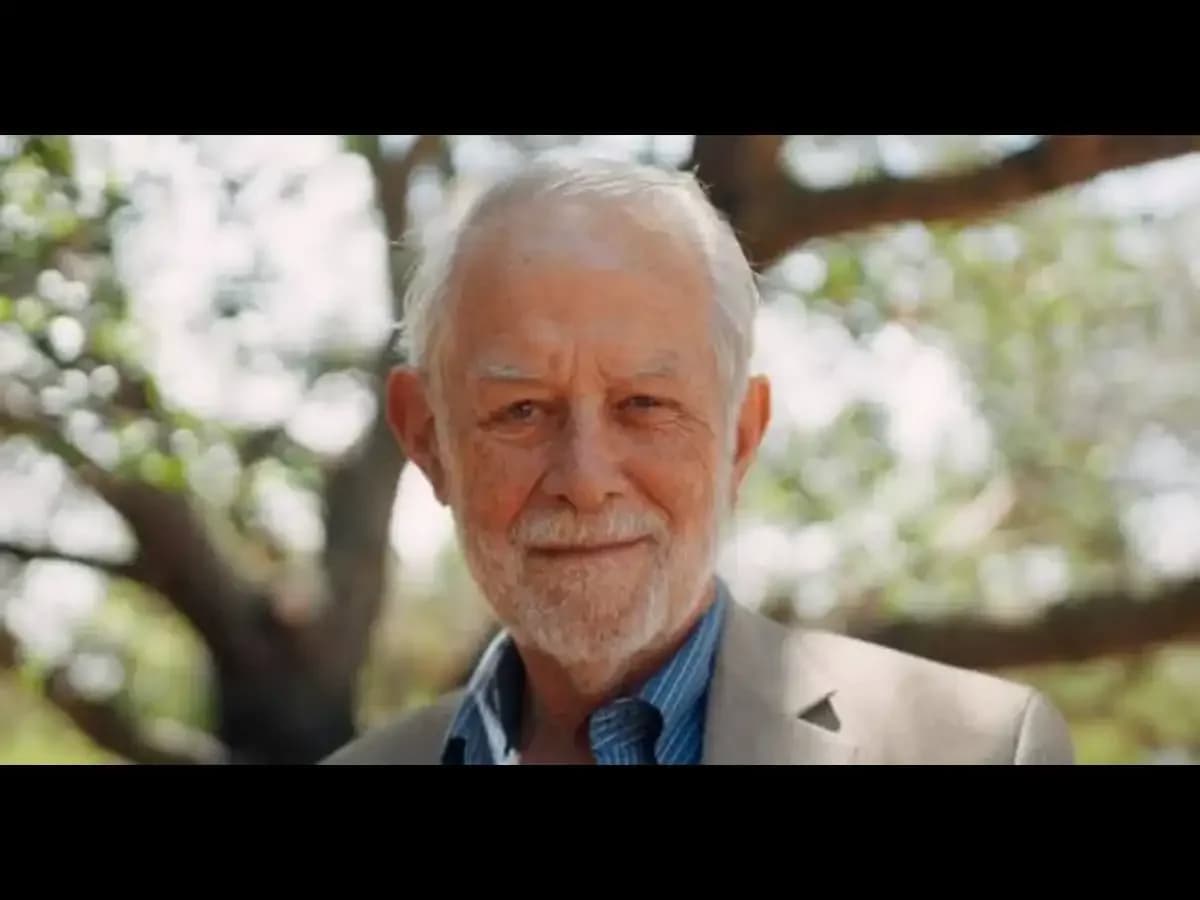
Legendary investor Philip Carret emphasized that optimism is essential for successful investing, helping investors remain disciplined through market volatility. According to reports from The Economic Times, Carret stated, 'I'm an optimist, both as a person and an investor. It's a big mistake to be pessimistic as long as we have a viable civilization which is reasonably well managed.' His philosophy reflects the long-term nature of wealth creation, where markets inevitably experience corrections, recessions, and periods of heightened uncertainty, but history has shown that economies and businesses have consistently adapted, recovered, and grown over time.
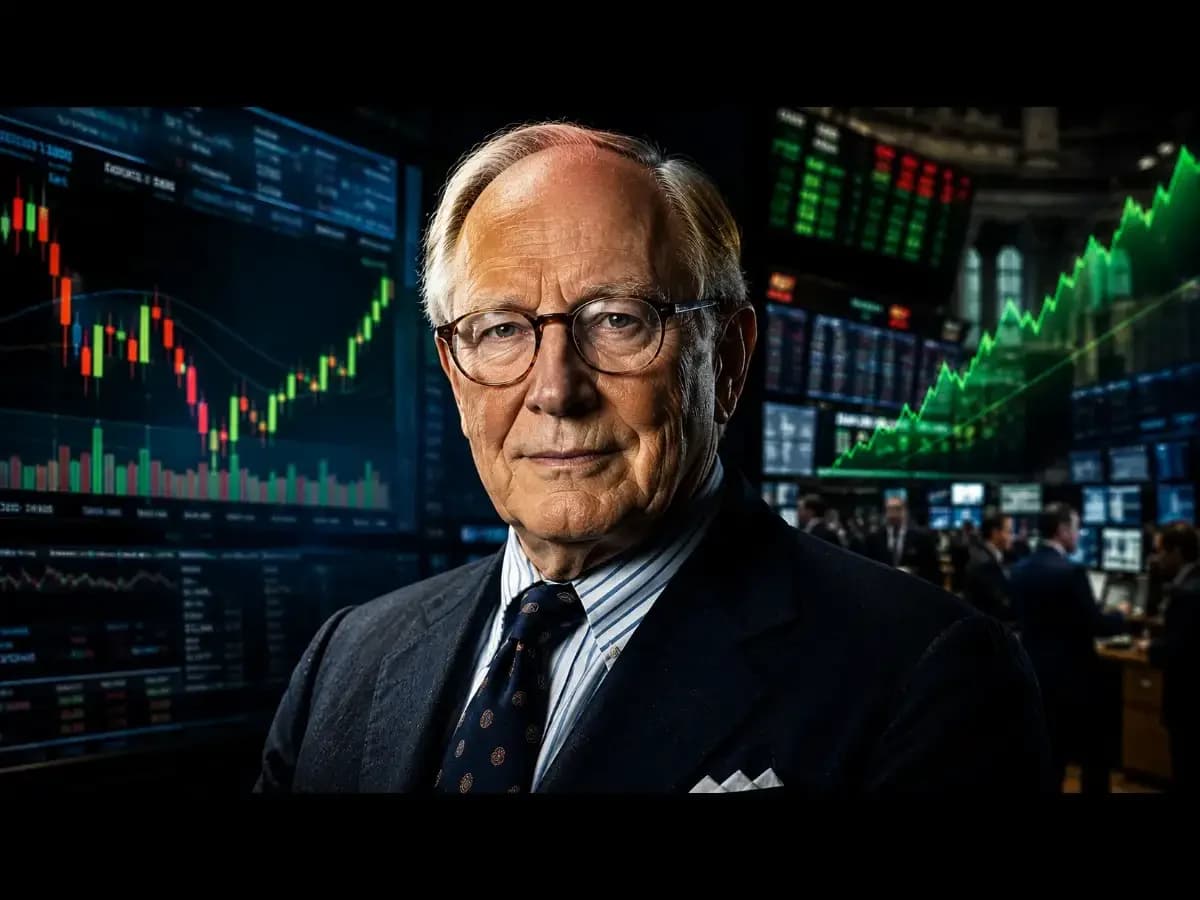
Carret's message is particularly relevant in today's fast-moving financial landscape, where headlines often amplify short-term risks and volatility. As reported by The Economic Times, fear can prompt investors to make emotional decisions, such as selling quality investments during downturns or avoiding opportunities altogether. Carret argued that excessive pessimism can become a costly mistake, preventing investors from participating in long-term market gains. His approach emphasizes that optimism doesn't mean ignoring potential challenges, but rather maintaining confidence in the resilience of businesses, innovation, and economic progress while making disciplined, well-researched investment decisions.
According to The Economic Times, Carret's philosophy advocates balancing confidence in long-term economic growth with careful research, patience and risk awareness to benefit from compounding and enduring market resilience. His approach emphasizes that successful investing is built on patience, discipline, and faith in the enduring strength of well-managed economies. For long-term investors, Carret's words serve as a reminder that remaining optimistic through periods of uncertainty has historically rewarded those willing to stay the course rather than react to every market fluctuation. His timeless wisdom continues to resonate with investors navigating volatile markets and economic uncertainty.