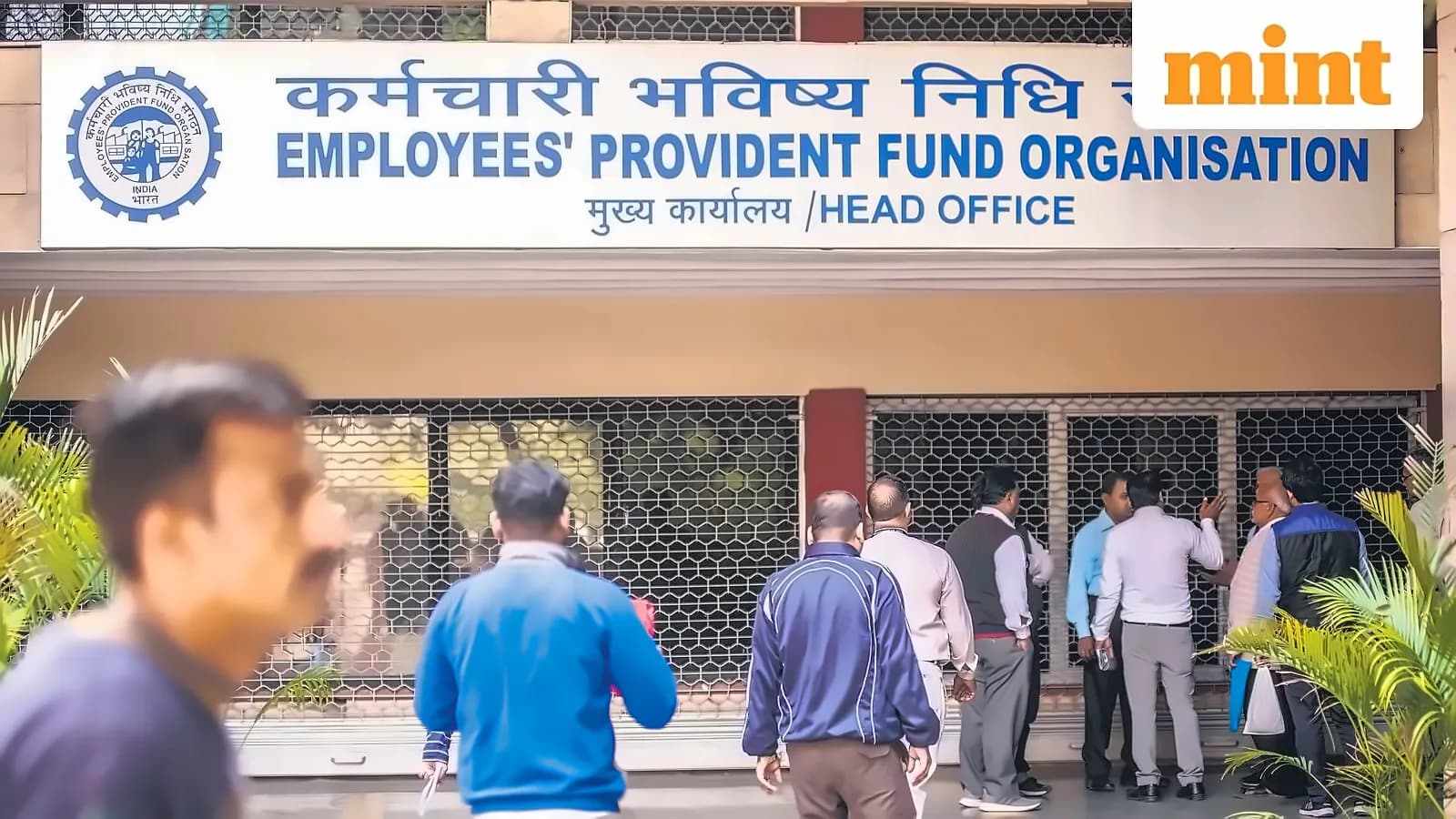
The National Company Law Appellate Tribunal (NCLAT) has issued a landmark ruling in the Jet Airways insolvency case that provides crucial protection for employee benefits. According to legal experts, the tribunal held that provident fund, gratuity and pension dues payable to employees cannot be treated as part of the company's assets available for distribution to creditors. As reported by The Economic Times, this ruling reinforces the legal protection available to these statutory benefits, making it clear that PF and gratuity are legal rights, not benefits that can be taken away if a company goes bankrupt. The decision represents a significant victory for employee welfare in corporate insolvency proceedings.
Varun Katiyar, Managing Partner at Consortium Legal, emphasized that the NCLAT's decision is a positive step for employees, stating that even if the employer did not maintain separate accounts, employees should still receive these dues. However, he cautioned that while legal protection exists, employees may still face practical hurdles. Amitraj Kaushal, Advocate at the Supreme Court of India, noted that employees are safer than most people think, but not completely safe, as recovering dues through insolvency proceedings can still take years despite legal entitlement. The ruling has made it clear that PF and gratuity cannot be absorbed into the liquidation estate just because the employer failed to maintain separate accounts.

Legal experts strongly advise employees to take proactive measures when their employer appears financially troubled. According to The Economic Times, employees should regularly check whether their PF contributions are actually being deposited into their EPF account instead of assuming everything is fine. Katiyar recommends keeping copies of salary slips, appointment letters, bank statements and other employment records. Kaushal urges employees to monitor their UAN account regularly to confirm that PF contributions are actually being deposited, and file complaints directly with EPFO if there are significant delays in PF deposits. Experts emphasize that employees should stay informed and file their claims promptly once insolvency proceedings commence to maximize their chances of recovery.
Despite strong legal protection, employees can still face significant practical difficulties in recovering their dues. As reported by The Economic Times, Katiyar highlighted that employees can suffer if employers stop depositing PF contributions or fail to maintain proper records before insolvency begins. Kaushal pointed out that the ruling does not fully address unpaid salaries, which continue to be dealt with under the insolvency distribution process and may remain tied up for years. He also noted that there is no automatic notification system for employees when their employer enters insolvency, creating an information gap that can cost people dearly. Experts suggest that stronger monitoring, better awareness and faster resolution of claims would help ensure these protections work effectively on the ground.
Employees can periodically verify their provident fund contributions through the EPFO member portal or by checking their EPF passbook using their Universal Account Number (UAN). According to The Economic Times, the passbook shows both employee and employer contributions credited every month. If there are missing contributions despite deductions from salary, employees should immediately seek clarification from their employer or lodge a complaint with EPFO. The verification process allows employees to monitor their PF accounts regularly and take prompt action when irregularities are detected, ensuring they can protect their statutory benefits even during challenging financial situations.