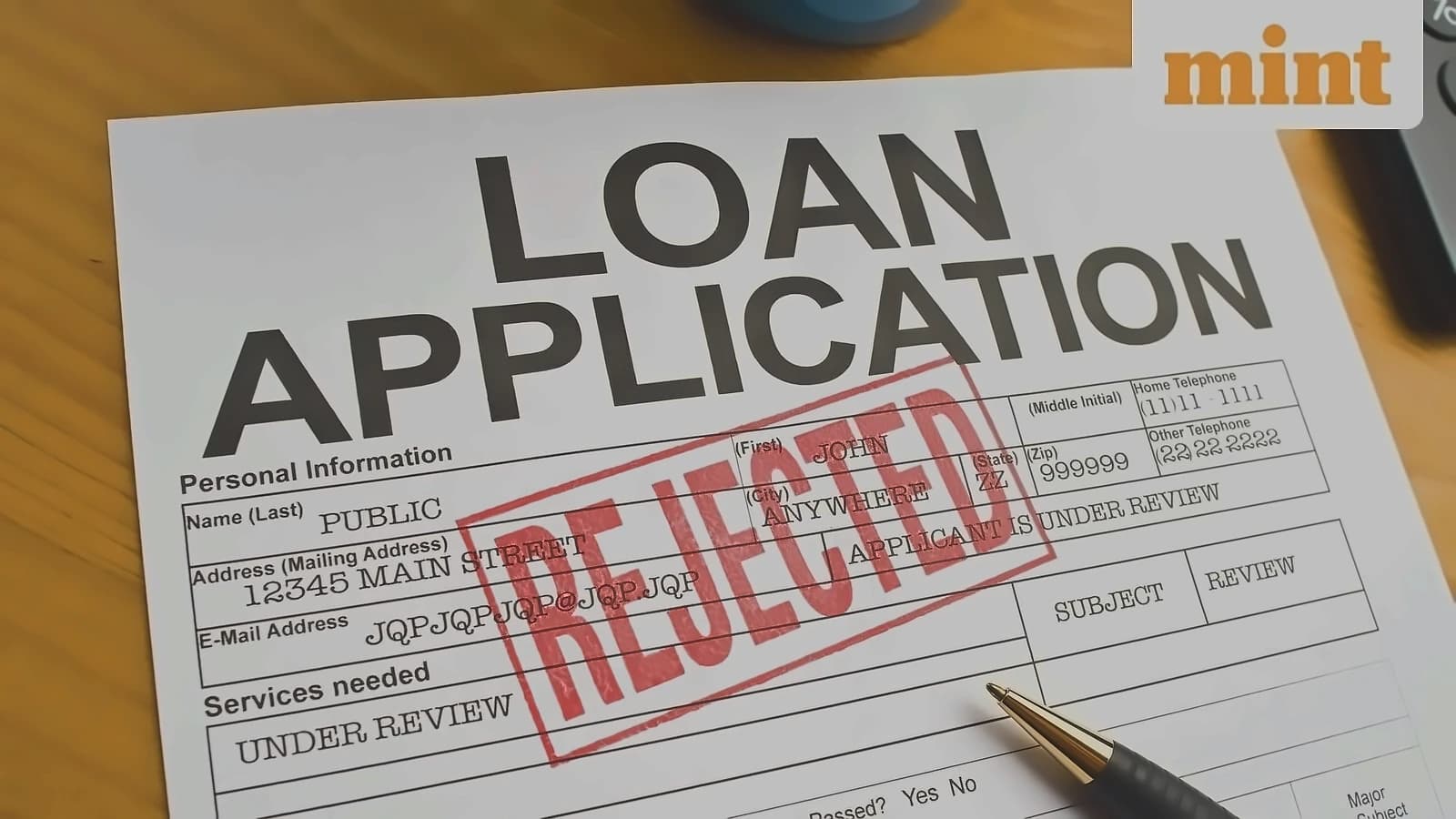
According to reports from The Economic Times, credit scores of 760 or above place borrowers in a stronger position for personal loan approval. Lenders view scores below 700 as a red flag, potentially leading to higher interest rates or application rejection. Building good credit requires consistent effort including timely repayments, avoiding multiple loan applications within short windows, and maintaining low credit utilization. The credit score serves as the first indicator of borrower reliability and directly impacts interest rate negotiations. As per latest CIBIL score guidelines, a score above 750 generally increases your chances of approval significantly, with scores closer to 900 indicating low-risk borrowers. Recent developments show that credit scores above 670 unlock better rates for debt consolidation loans, making this threshold particularly important for borrowers considering consolidation strategies.
According to The Economic Times, payment history accounts for the most significant portion of your credit score, often making or breaking loan applications. Even a single missed payment can negatively impact your score and remain on your report for up to seven years. Consistent, on-time payments demonstrate reliability and responsibility, with lenders viewing late payments as strong indicators of potential future defaults. Setting up automatic payment reminders or using auto-debit facilities for EMIs and credit card bills can significantly protect your payment history. The impact of late payments far outweighs any benefits from other positive credit behaviours, making timely payments the cornerstone of a healthy credit score. For debt consolidation specifically, consistent on-time payments build your credit back after a short-term dip from the new inquiry, though continuing to overcharge represents a clear sign to hold off on consolidation.
As reported by The Economic Times, lenders prioritize predictable and stable income over high earnings when assessing loan applications. Salaried individuals with two or more years of continuous employment are viewed as less risky compared to those with frequent job changes. Government employees, large MNC workers, and reputed private company staff typically score better in income assessment. The focus shifts from absolute income to income capacity and payment intent, with credit history demonstrating borrower reliability. This aligns with CIBIL score calculations where longer credit history provides lenders with more data to assess repayment patterns over time, showing a consistent track record of responsible borrowing.
According to The Economic Times, lenders prefer total debt repayment, including new loan EMI, stays within 50 to 55% of monthly income. Borrowers exceeding this ratio are flagged as over-leveraged. Existing loans and credit card obligations are factored into eligibility calculations, making it essential to assess current debt burden before applying. Paying off smaller loans or restructuring existing debt can improve the debt-to-income ratio and widen eligibility for new loans. High credit utilisation suggests you might be over-reliant on credit, indicating a higher risk to lenders and potentially lowering your score. The ratio measures how much credit you're currently using compared to your total available credit limit, with lower ratios generally better. For debt consolidation specifically, consolidating high-interest debt replaces multiple variable-rate credit card minimums with a single predictable schedule, though borrowers must avoid the 'double debt trap' of continuing to spend on empty credit cards.

As reported by The Economic Times, single document errors can lead to loan rejection. Lenders thoroughly examine income records, bank statements, and identity documents for accuracy. PAN and Aadhaar details must be current and accurate, with employment and income records requiring up-to-date verification. Not checking your CIBIL report regularly is a mistake that can leave you vulnerable to errors or fraud. Incorrect information, such as payments wrongly marked as late or fraudulent accounts opened in your name, can severely damage your score. Selecting lenders whose criteria match personal eligibility rather than applying broadly reduces hard enquiries on credit reports and improves approval chances. Pre-approved offers based on existing relationships can provide better terms and reduce application scrutiny. For debt consolidation, qualifying for unsecured personal loans requires meeting certain benchmarks, with the most important being a credit score above 670 that unlocks better rates.
According to The Economic Times, applying for loan amounts aligned with actual needs and repayment capacity increases approval chances and long-term manageability. Higher loan amounts invite more lender scrutiny and higher risk assessment. Submitting numerous loan or credit card applications within a short timeframe is a red flag for lenders. Each application results in a 'hard enquiry' on your CIBIL report, with a sudden surge in enquiries suggesting you might be in financial distress. Comparing offers before applying helps limit hard enquiries on credit reports, which can negatively impact credit scores. The strategy focuses on obtaining sufficient funds for intended purposes without exceeding borrowing capacity or creating unsustainable debt obligations. For debt consolidation specifically, consolidating debt only works if you face a math problem, not a spending problem, as continuing to overcharge represents a clear sign to hold off on consolidation.