Recent developments highlight the escalating threat of cyber fraud through mule account operations. Three people were recently arrested in Delhi for allegedly supplying and using mule bank accounts to facilitate cyber fraud, with account holders providing access to receive proceeds from cyber fraud in exchange for commissions. In a separate case, police in Maharashtra's Thane district busted a cyberfraud syndicate allegedly involved in fraudulent transactions worth ₹57.25 crore through several mule accounts. According to Mint, a mule account is a bank or financial account used by criminals to receive, hold or transfer illegally obtained money, which can be operated by criminals themselves or by individuals who knowingly or unknowingly allow their accounts to be used for suspicious transactions.
According to reports from Zee News and Moneycontrol, personal loan fraud remains prevalent despite widespread digital awareness, with scammers exploiting urgent financial needs to trap borrowers. The reports emphasize that legitimate lenders never charge advance fees, GST, insurance charges, or service fees before loan disbursal. Under the RBI Digital Lending Directions, Regulated Entities must collect minimum borrower details like age, occupation, and income to evaluate creditworthiness and record them for audit purposes. Mint experts advise customers to be particularly cautious about unsolicited job offers, schemes promising easy money and requests to 'rent' or 'lend' a bank account.
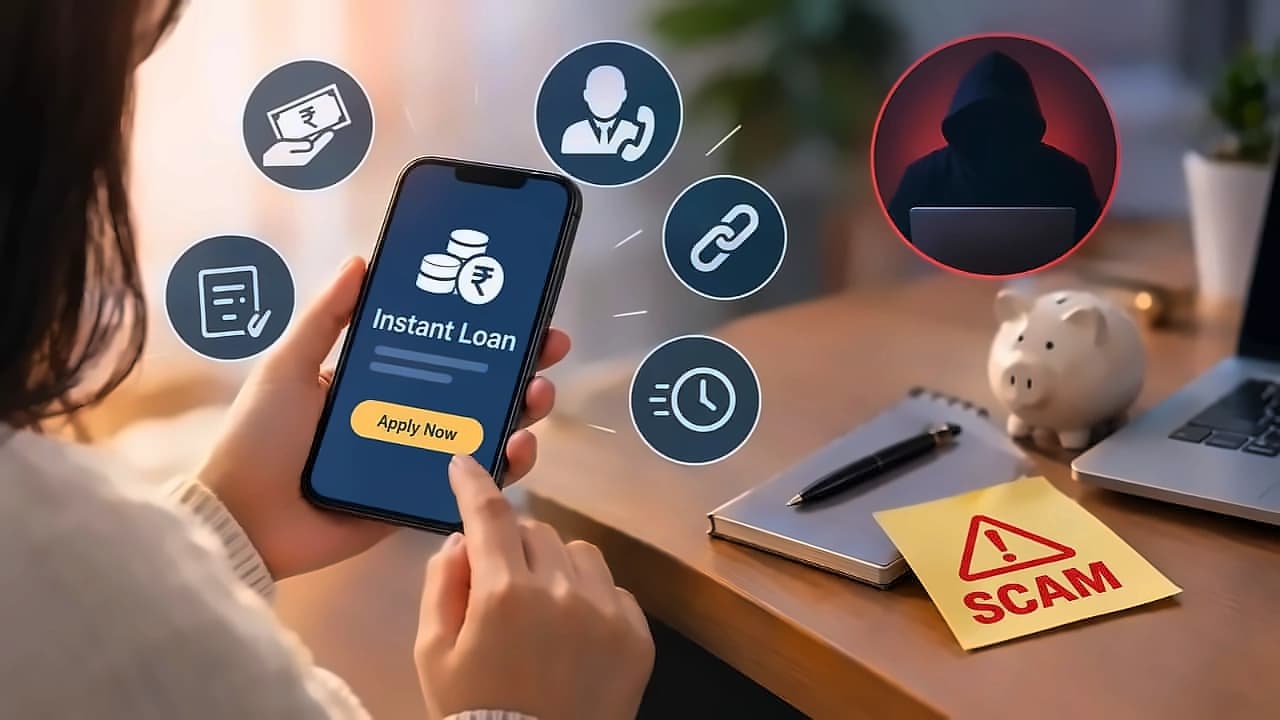
As reported by Zee News and Moneycontrol, borrowers should beware of malicious loan applications advertised through suspicious social media posts and shady links. These applications may closely resemble authentic websites or apps, attracting customers through flashy messages, instant loan approval, minimum rates, and other tactics. The Moneycontrol report specifically warns against fake loan apps that create websites resembling legitimate lenders and promise loans with minimal paperwork. RBI advises borrowers to check whether digital lending apps are associated with RBI-regulated banks or NBFCs through the lender's own website and avoid downloading apps received through SMS or social-media links.
According to the Zee News report, scammers may impersonate bank officials and lenders through calls, SMS, or other channels, asking for sensitive information such as Aadhaar, PAN, or OTP. The Moneycontrol report warns against fake bank or RBI representatives who may call claiming loan approval and ask for OTP, card details, UPI payment or KYC documents. The reports emphasize that scammers may use extracted information to empty bank accounts or obtain loan approvals at banks. Legitimate lenders never ask for KYC details or sensitive information, and knowing someone's name is insufficient to establish credibility.
As reported by Zee News and Moneycontrol, scammers may present lucrative offers with guaranteed approvals or low-interest rates without considering credit history and income. The Moneycontrol report identifies guaranteed-approval offers as classic traps that create urgency among borrowers who may already need quick loans. The Zee News report warns against limited/urgent offers that create artificial deadlines. Legitimate lending entities verify documents and credit history to assess eligibility, and under RBI guidelines, recovery agents must have proper identification and follow designated contact hours without using abusive language or threats.
According to the Zee News and Moneycontrol reports, borrowers should verify lender websites and applications through RBI's Digital Lending App directory to check registration with registered banks or NBFCs. Before signing loan agreements, lenders must provide Key Facts Statement - a concise, standardized summary document listing financial terms and true borrowing costs. The Moneycontrol report emphasizes that RBI's 2025 Digital Lending Directions require regulated entities to obtain information such as age, occupation and income for creditworthiness assessment. Mint experts recommend never sharing internet banking credentials, OTPs, PINs, passwords or UPI PINs with anyone and avoiding handing over debit cards or banking credentials to another person. Regular monitoring of accounts, including dormant accounts, can help customers identify suspicious activity early.