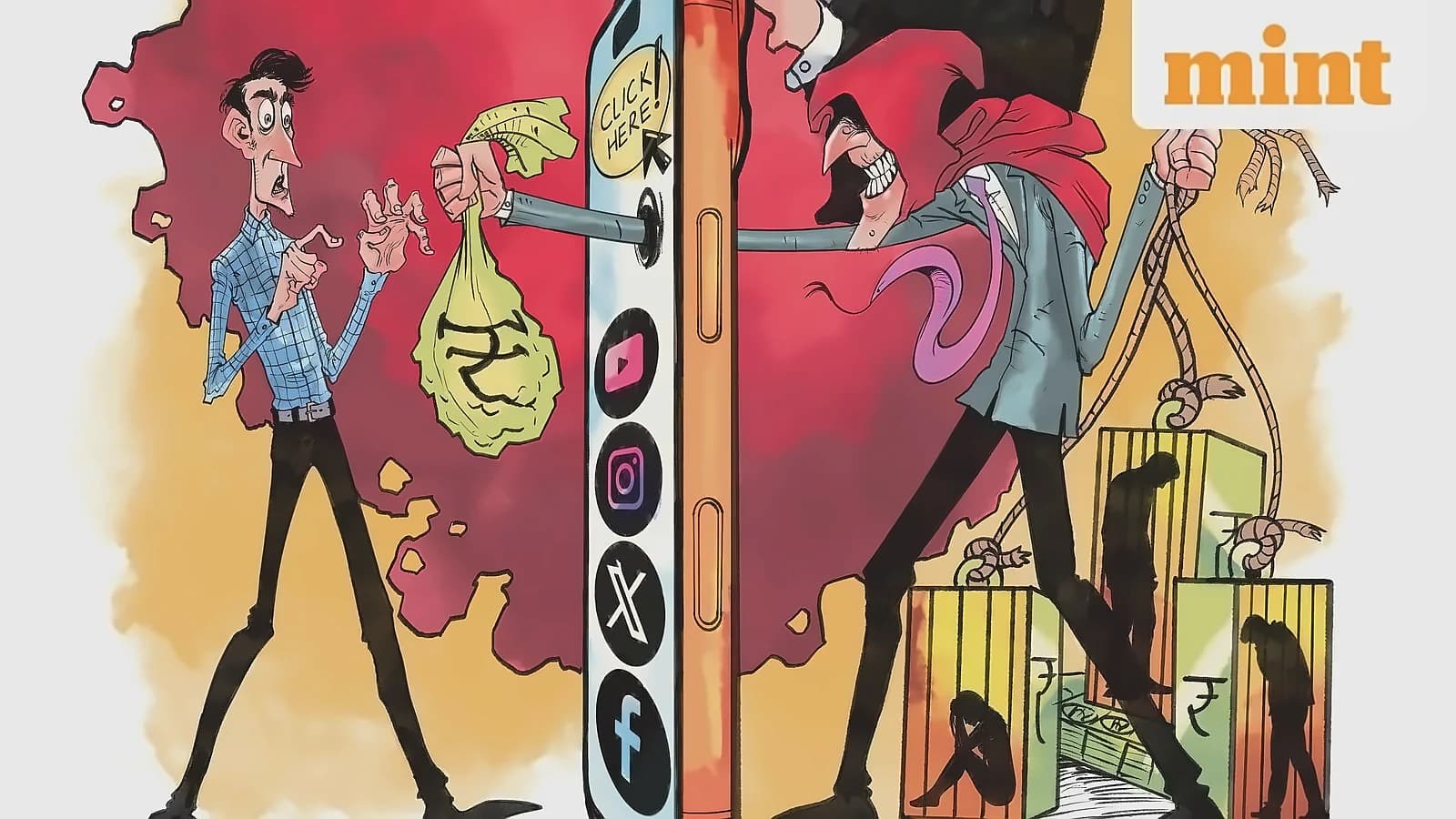
Payday loans are short-term, unsecured advances designed for emergencies and urgent expenses between salary days. According to reports from Mint, these loans can be repaid between two weeks to a month or until the next payday, depending on lender terms. Since they are generally unsecured, borrowers do not need to provide physical collateral like car titles or property deeds. However, payday loans are legal in India only when disbursed by banks, NBFCs, or RBI-regulated entities, either directly or through authorized lending service providers.
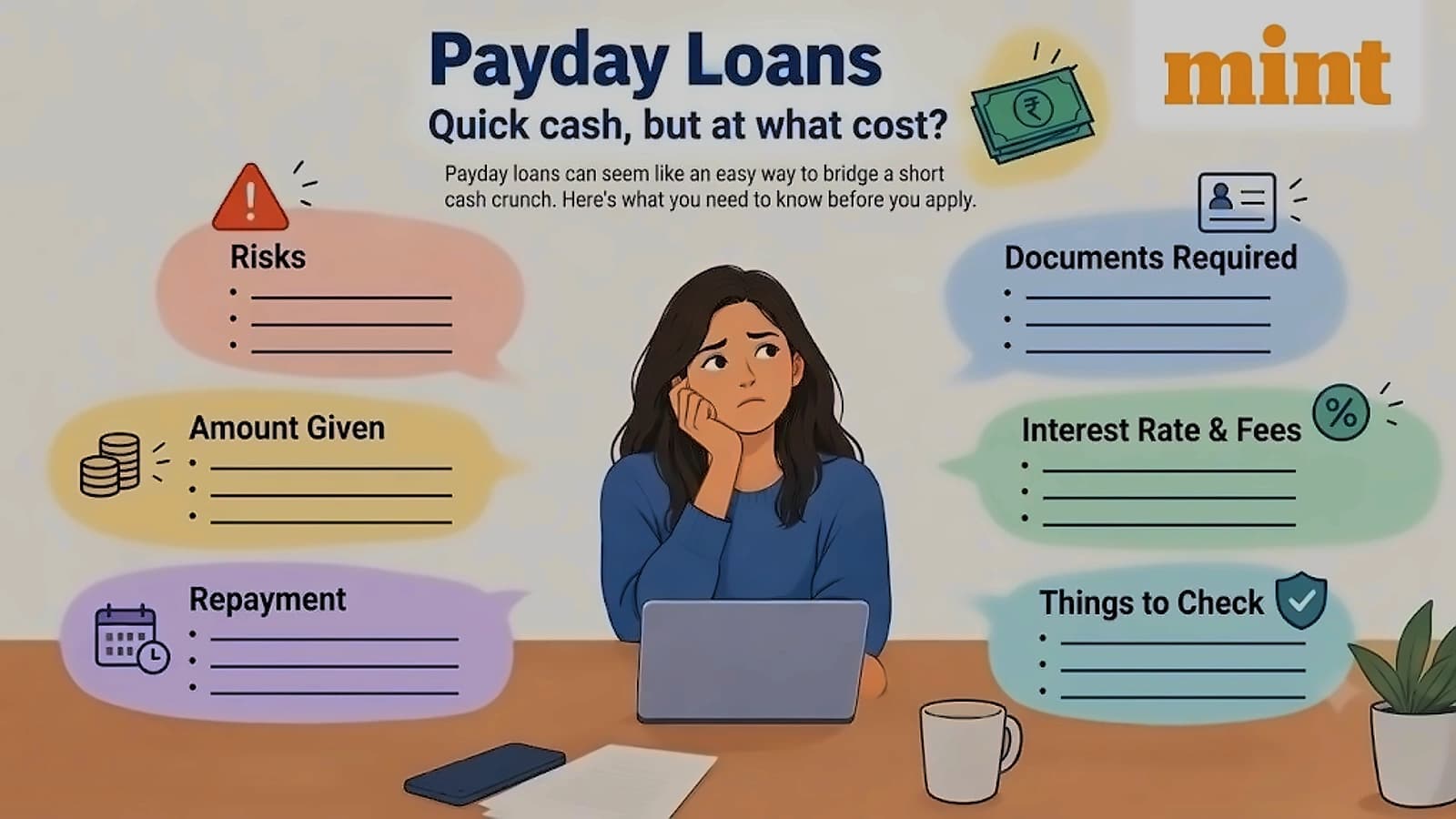
As reported by Mint, payday loans can be obtained from lender branches or online portals with a quick approval process and minimal documentation. Most lenders approve loans of 30% to 60% of net monthly salary for bullet repayment. For instance, Kotak Mahindra Bank offers a one-month payday loan of up to 50% of net salary to eligible salary account holders at pre-approved rates. The loan amount is instantly credited to the borrower's bank account via cheque or online transfer, with repayment typically deducted on the next salary day.
According to Mint, the standard eligibility requirements include being a resident Indian citizen over 21 years old, having a full-time job with fixed income, and maintaining a minimum net monthly salary of ₹10,000 or higher depending on the lender. Required documents include proof of Aadhaar card, PAN card, voter ID, or driving license for age and address verification. Lenders may also require salary slips from the last three months as income proof. Many advance salary lenders do not require traditional credit checks, instead assessing employment stability and income for approval.
As reported by Mint, payday loan interest rates can reach as high as 40% annually, significantly higher than personal loans or credit cards. Missing or delaying repayments can negatively affect credit scores and make future credit access more difficult. Some payday loans may include additional fees that are not immediately clear to borrowers. Borrowers should carefully review loan agreements and calculate the total cost of borrowing before proceeding with any payday loan application.
According to Mint, while the RBI's digital lending directions regulate how digital loans are priced, disclosed, and collected, payday loans as a product are not separately regulated by the RBI. The regulatory framework ensures that regulated entities follow proper pricing and disclosure practices for digital lending products. This distinction means payday loans operate under broader lending regulations rather than specific payday loan-focused legislation.