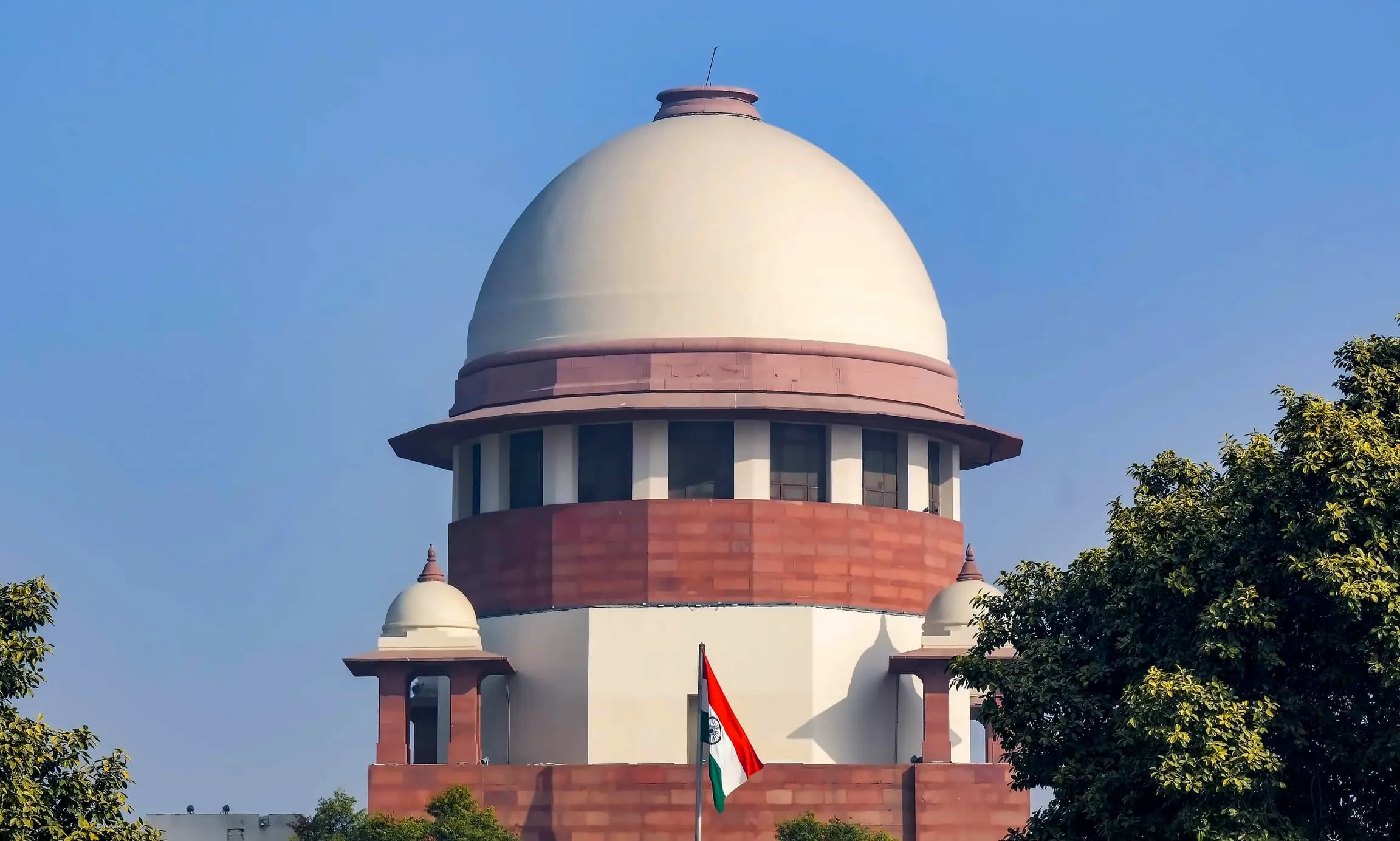
The Supreme Court of India has allowed appeals filed by insurance companies, setting aside the final judgment and order of the National Consumer Disputes Redressal Commission (NCDRC) in cases involving bank-surrendered life insurance policies. According to the August 2026 order, the Supreme Court upheld the NCDRC's ruling that when a life insurance policy is assigned to a bank as security for a loan, the insurer can act on the bank's instructions to surrender the policy without obtaining separate consent from the original policyholder. This development reinforces the earlier NCDRC decision that provided important guidance for policyholders who use insurance policies as loan collateral, highlighting that once a policy is assigned to a bank, the lender can exercise significant rights over the policy without requiring the policyholder's consent.
The ruling emerged from a case involving Amar Singh, a resident of Kharkhoda in Sonepat, Haryana, and his LIC policy purchased on December 28, 2001, with a sum assured of ₹5 lakh and maturity scheduled for December 8, 2026. Singh obtained a ₹79,000 credit limit from IDBI Bank using the LIC policy as security and continued paying premiums. However, on October 5, 2011, LIC surrendered the policy for ₹2,26,325 and transferred the amount to the bank, despite Singh not requesting or consenting to the surrender. The case highlights the significance of assigning an insurance policy as loan security, where the lender can exercise rights attached to that assignment even when the policyholder continues premium payments.

The case involved conflicting decisions from lower consumer commissions. The District Commission ruled in Singh's favour in February 2015, directing LIC to reinstate the policy from the date of surrender and accept outstanding premiums with interest. However, the State Commission set aside this order in September 2016, holding that following assignment of the policy, the bank exercised control over it and LIC was not required to issue a separate notice to Singh. Singh subsequently approached the NCDRC, which upheld the bank's position despite Singh's counsel arguing that LIC had campaigns for revival of lapsed policies and pointing to a November 15, 2011 letter from the bank stating no objection if the insurer continued the policy.
The NCDRC directed IDBI Bank to release ₹2,26,325 along with accrued interest within one month, with a penalty of 6% interest per annum on the outstanding amount if not complied with. The amount had remained in the bank's suspense account because Singh had closed his accounts before the cheque could be encashed. The Commission also directed the bank to refund ₹2,26,325 to LIC, along with 9% interest from October 5, 2011, and pay ₹10,000 towards mental agony and litigation costs. The ruling underscores the need for policyholders to understand the terms of an assignment before using a life insurance policy as collateral for a loan, emphasizing that once a policy is assigned to a bank, the lender can exercise significant rights over the policy without requiring the policyholder's consent.
The ruling underscores the importance of understanding the terms of an assignment before using a life insurance policy as collateral for a loan. As reported by Mint, the case demonstrates that once a policy is assigned to a bank, the lender can exercise significant rights over the policy, including the ability to surrender it without the policyholder's consent. The NCDRC's decision emphasizes that this is not a case involving a lapsed policy caused by non-payment of premiums, but rather a surrender by the duly appointed assignee after the policyholder assigned all rights to the bank through a December 6, 2007 assignment letter. The case highlights that policyholders must carefully review assignment agreements and understand the implications of using insurance policies as loan security, as the lender's rights take precedence over the policyholder's interests.