The BSE Sensex has dropped over 10,800 points in 2026, falling to 74,294 as of September 18, 2026, raising significant concerns about mutual fund portfolio risk management. According to The Economic Times, large cap funds on average lost 5.40% in the current year, with Mahindra Manulife Large Cap Fund losing around 10% while others declined up to 3%. This market correction can substantially alter portfolio risk profiles even without fresh investments, as market movements can significantly alter portfolio risk even without fresh investments, withdrawals, or switches. The correction can change the equity-debt mix of portfolios, making rebalancing necessary when equity allocation falls below strategic targets.

Concentration can rise simply because some sectors or stocks perform better than others, as explained by Debasish Mohanty, MD & Chief Strategy Officer at The Wealth Company Mutual Fund. Suppose a particular sector goes through a prolonged period of strong performance. Even without fresh investment, funds with meaningful exposure to that sector may appreciate faster than others. At the investor's aggregate portfolio level, the exposure to that sector can therefore become much larger than originally intended. The same applies to individual stocks - an investor may own several diversified funds but if these schemes hold many of the same leading stocks, the combined exposure can be significant. Recent performance data shows small cap funds emerged as top performers with an average return of 15.09%, followed by mid cap funds at 6.22% and multi cap funds at 4.54% in 2026 so far.
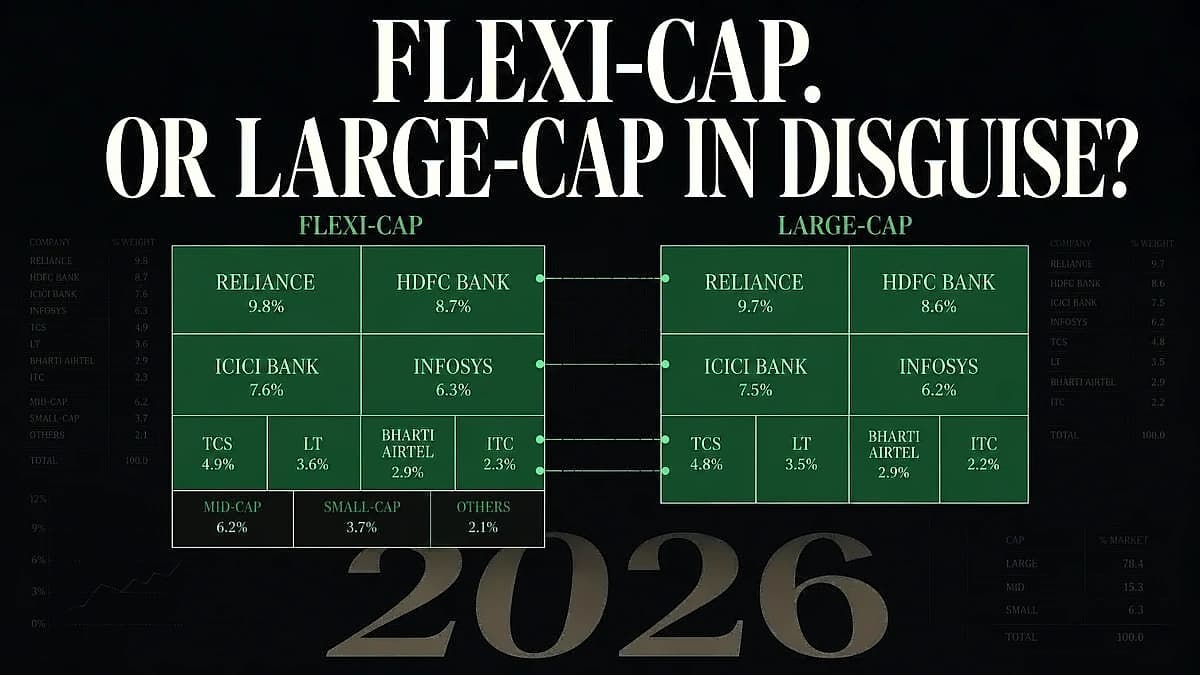
There is also the risk of overlap where two or more funds in an investor's portfolio may increasingly own similar stocks, creating an unintended concentration. As reported by Mint, Mohanty noted that an investor may own six or eight schemes and still have substantial exposure to the same stocks, sectors, market-cap segments or investment styles. This means the number of schemes should not be confused with the degree of diversification - investors need to assess their holdings at the consolidated portfolio level. According to The Economic Times, flexi-cap, large & mid-cap and multi-cap funds may offer greater stability when investing new money because fund managers can decide which market-cap segments to invest in, providing better diversification across different capitalization segments. More than 50% overlap means you're paying for diversification you're not getting, making it crucial to monitor and address portfolio overlap issues.
A systematic investment plan (SIP) can experience long stretches of weak returns, making it difficult for investors to decide whether patience is still warranted. DSP Mutual Fund's historical study found that 95 percent of the 10-year SIPs studied encountered a rough patch within the first five years, while 81 percent went negative at some point. Yet, 99 percent eventually beat debt over the full 10-year period. The key distinction is between market disappointment and fund disappointment - three to five weak years are not, by themselves, evidence that the fund is broken. More meaningful red flags include persistent underperformance, significant manager changes, deterioration in investment process, or excessive concentration. Patience is warranted when the process remains intact and the weakness is cyclical, but the first objective is financial survival rather than maintaining an SIP at any cost.
Investors do not need an excessively complicated dashboard to monitor portfolio-level risk, according to Mint. Key indicators include asset allocation - checking how much of the total portfolio is effectively invested in equity, debt and other asset classes, market-cap exposure - examining the combined allocation to mid- and small-cap stocks, sector concentration - checking whether the portfolio has become heavily exposed to a particular sector, and largest stock exposures - looking at exposure to individual stocks across all schemes rather than fund by fund. According to The Economic Times, investors should first understand a fund's nature and beta, with high-beta funds expected to fall more sharply than the broader market during corrections. A temporary period when a value or quality tilt is out of favour is different from a genuine deviation from the fund's stated process. The shift from reviewing individual fund returns to understanding aggregate portfolio risk can help investors assess whether their existing portfolio remains aligned with their financial goals.